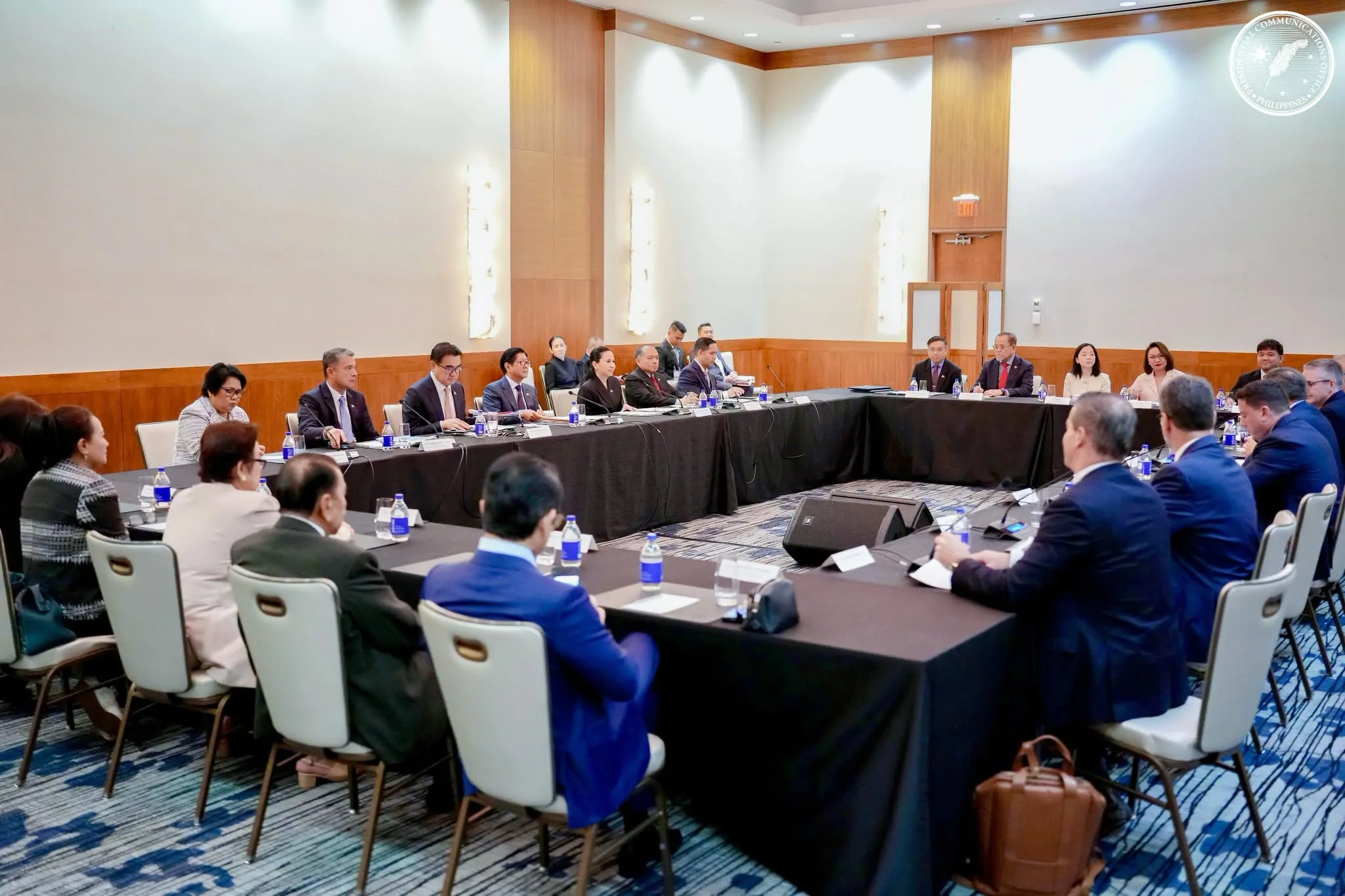
VANCOUVER, Canada — A landmark federal labor framework signed during President Ferdinand R. Marcos Jr.’s official visit to Canada aims to standardize the overseas employment landscape for Filipino workers. The newly signed pact establishes a unified approach to zero recruitment fees, outlines stronger workplace protections, and sets a baseline for faster recognition of professional credentials across Canadian provinces.
A Historic Federal Labor Framework
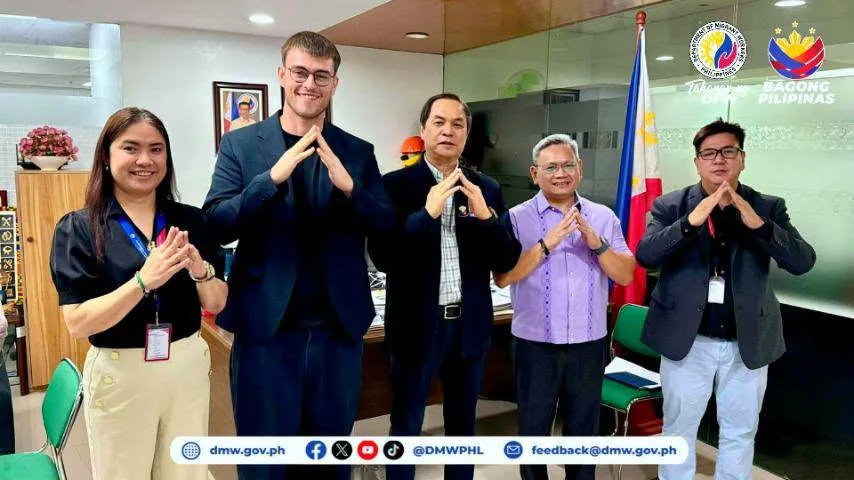
For the first time, the Philippines and Canada have bypassed fragmented provincial arrangements to establish a bilateral labor framework directly at the federal level. Migrant Workers Secretary Hans Leo Cacdac and Canadian Foreign Minister Anita Anand signed the Joint Declaration of Intent on Labor and Migration Cooperation on July 2, establishing consistent guidelines for the estimated one million Filipinos living and working in Canada.
Previous agreements were fragmented, leaving gaps that could leave workers vulnerable when moving between regions. This new framework closes those gaps by establishing consistent rules from coast to coast. The federal government now officially recognizes its responsibility to protect the estimated one million Filipinos living and working in Canada.
Zero Recruitment Fee, Guaranteed
At the core of the agreement is a strict prohibition on charging Filipino workers any recruitment or placement fees. Employers and third‑party recruiters are explicitly barred from passing on costs to job seekers. This provision directly addresses a long‑standing concern that has saddled many OFWs with debt before they even begin their overseas employment.
The zero‑fee policy shifts the financial burden entirely to the hiring entity, ensuring that opportunities are accessible to skilled Filipinos regardless of their economic background. The DMW will actively monitor compliance through its Migrant Workers Offices in Canada, working with Canadian authorities to investigate violations. For aspiring OFWs, this means a fairer start and the ability to build savings from their first paycheck.
Safety, Fair Treatment, and a Stronger Voice
Prime Minister Mark Carney personally acknowledged the extraordinary contributions of Filipino care‑workers, nurses, and frontline personnel during the bilateral talks. He pledged that Canada would strengthen on‑the‑ground protections, ensuring that OFWs are treated fairly and have transparent access to federal grievance mechanisms when their rights are violated.
The agreement mandates closer cooperation between Canadian labor inspectors and Philippine attachés. Workers who experience abuse, contract violations, or unsafe conditions now have a clearer pathway to seek redress without fear of retaliation. This institutional backing gives every Filipino worker in Canada a stronger voice and a tangible safety net.
Faster Credential Recognition for Filipino Professionals
Beyond worker protection, the deal tackles a long‑standing frustration for Filipino professionals whose credentials are often undervalued. The agreement sets the stage for federal and provincial governments to collaborate on reducing bureaucratic barriers, accelerating the licensing and accreditation process for skilled workers.
Engineers, nurses, teachers, and other professionals will benefit from streamlined assessments that recognize Philippine degrees and experience more fairly. This not only prevents career devaluation but also helps fill critical labor shortages in Canada’s healthcare, education, and technology sectors. The pact moves both nations closer to a genuine talent pipeline rather than a fragmented labor supply chain.
A Win for Families and the Philippine Economy
The agreement directly supports the DMW’s vision of ethical, sustainable migration. By eliminating illegal fees and ensuring fair treatment, Filipino workers can remit more of their earnings back home. The federal framework also provides a model that can be replicated with other host countries, raising the bar for global labor standards.
For the Philippines, the pact signals that economic diplomacy can deliver concrete gains for its modern‑day heroes. The combination of zero recruitment fees, enhanced protections, and faster credential recognition transforms Canada from a distant destination into a land of genuine, dignified opportunity.