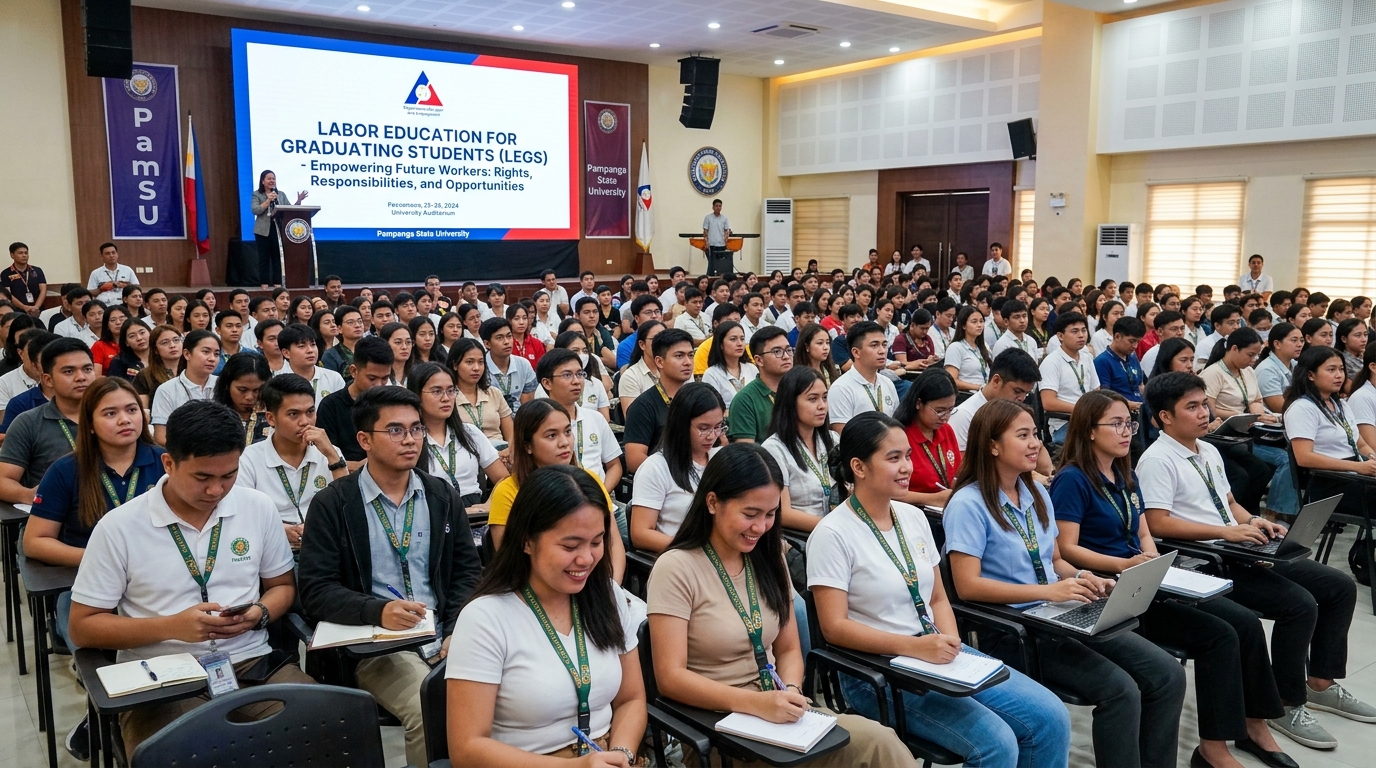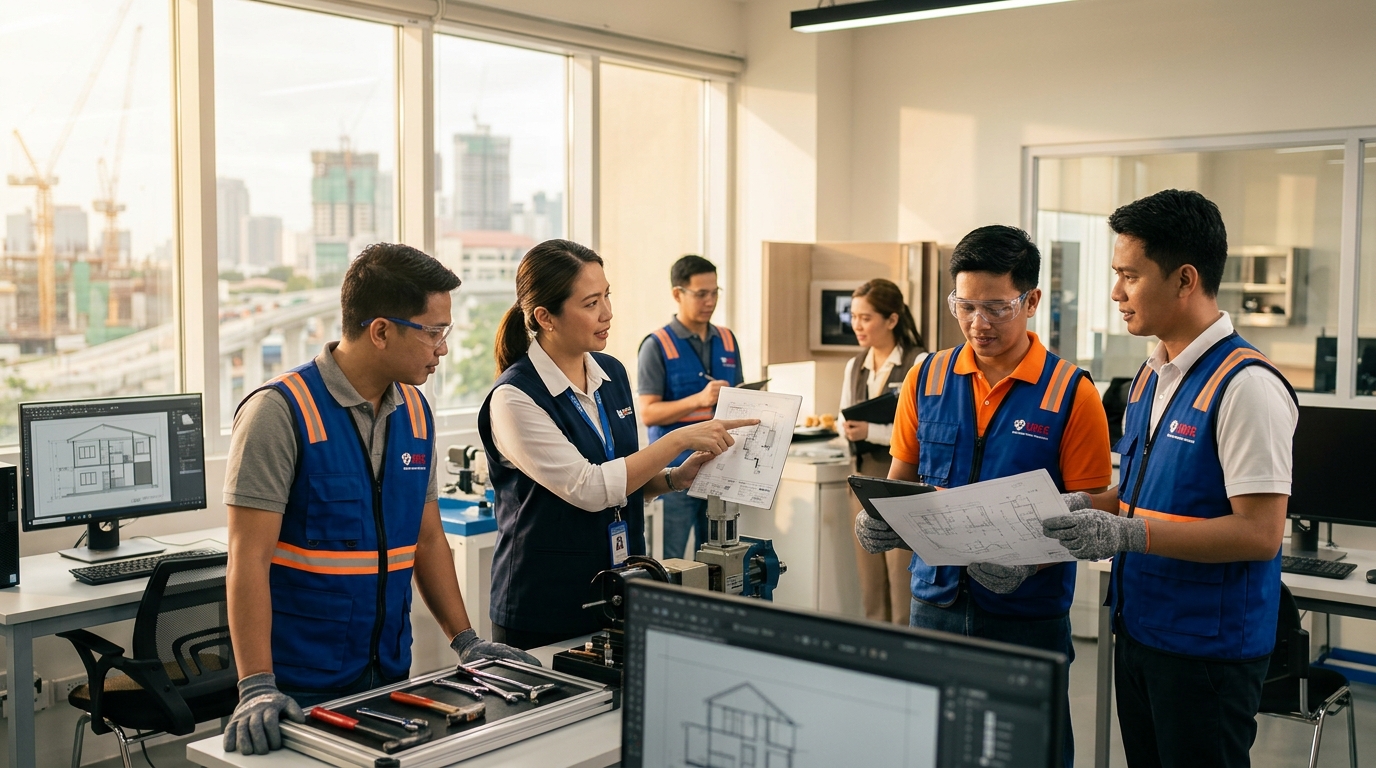
PHILIPPINES — The Philippine labor market continues its steady recovery, with the unemployment rate easing to 4.7 percent in April 2026, according to the latest Philippine Statistics Authority data. The improvement signals a stable labor environment and modest employment gains across key sectors including services, construction, and retail. For millions of overseas Filipino workers and their families, the numbers carry a personal dimension: a strengthening domestic job market is gradually expanding opportunities at home.
Economists describe the trend as consistent with sustained economic recovery and ongoing domestic activity. The declining unemployment rate generally indicates improved access to jobs and increased business activity. For Filipino households, this translates into more stable incomes and greater financial security, reducing the economic pressure that has historically driven workers abroad.
What the Numbers Mean for OFW Families
For the families of OFWs, the improving labor data offers a cautiously optimistic outlook. A more active domestic job market means that relatives back home have better chances of finding stable employment. It also creates conditions where returning OFWs can more feasibly transition into local careers, complementing the government's reintegration programs.
Economists caution, however, that overseas work trends are influenced by multiple factors beyond domestic conditions. Global labor demand, wage differentials, and migration policies in host countries continue to shape OFW deployment patterns. The Department of Migrant Workers recently hosted the first Global OFW Summit, which drew over 1,400 attendees seeking employment assistance, legal support, and entrepreneurship guidance.
Beyond the Headline Figure
While the 4.7 percent unemployment rate is a welcome indicator, experts advise looking deeper. Underemployment and job quality remain important considerations in assessing the labor market's overall health. Many employed Filipinos still seek additional work hours or higher wages to fully meet their household needs.
A stronger labor market supports higher consumer spending, which contributes to broader economic growth and resilience. For job seekers, the trend suggests a more active labor market with ongoing opportunities. For OFW families, it signals gradual strengthening of the domestic economy, which may complement—though not replace—overseas income sources. The government's reintegration programs, including business development and skills training under DMW and OWWA, are designed to help returning workers capitalize on these improving conditions.