



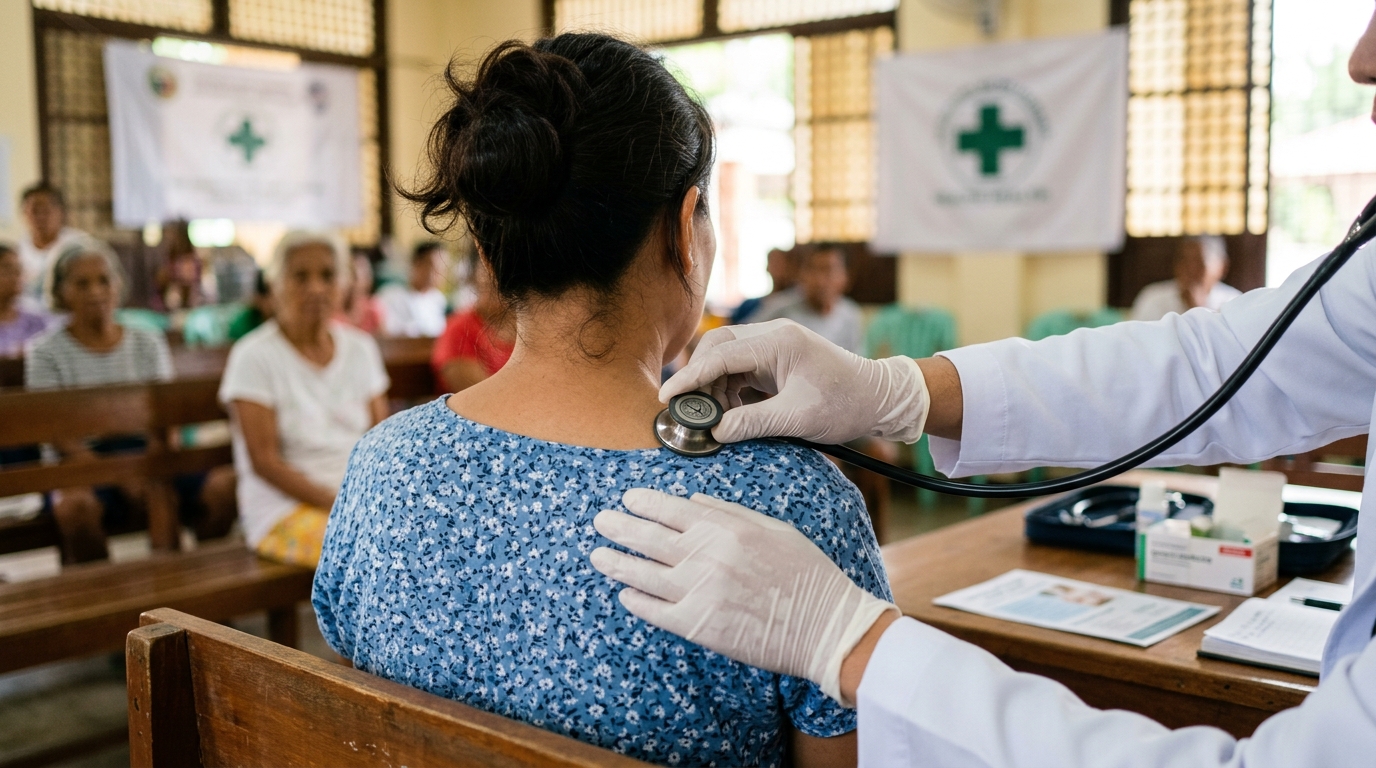
CEBU CITY — The Philippine Health Insurance Corporation (PhilHealth) is bringing its Yaman ng Kalusugan Program (YAKAP) directly to neighborhoods, schools, and workplaces throughout Cebu, turning communities into hubs of accessible primary health care. On June 17, 2026, officials detailed how the program’s mobile caravans and on‑site services are removing barriers to medical consultation.
Frontline Care Where People Live and Work
PhilHealth Acting Regional Vice President Jenet Ann Advincula explained that YAKAP caravans eliminate the need for members to travel to distant offices. Local Health Insurance Offices (LHIOs) are setting up help desks in malls, barangay halls, and even residential subdivisions, ensuring that membership registration and benefit inquiries happen right in the community. This approach transforms ordinary spaces into points of care.
In northern Cebu, LHIO‑Danao led by Chief Social Insurance Officer Ruhneb Cabiara has forged strong partnerships with local governments. Outreach activities in Consolacion, San Francisco, Alcantara, and Bogo City allowed residents to access PhilHealth services and learn about preventive health. The program’s mobility means a farmer in Alcantara gets the same information as a city dweller in Cebu City.
Free Consultations, Laboratories, and Medicines
Regildo Torregosa Jr., a Consolacion resident, discovered YAKAP after seeing a PhilHealth sign at a mall. He expressed relief that free check‑ups and medicines are available, noting that the program welcomes both employed and unemployed individuals. His experience underscores a key message: healthcare is not reserved for those with formal jobs.
Worker Patricia Colina attested to YAKAP’s early impact on her life. She has availed of free medical consultations, laboratory tests, and medicines, all covered by the program’s capitation model. The bundled package—KONSULTA, GAMOT, LABORATORYO, and SCREEN—ensures that primary care from an accredited doctor costs nothing out‑of‑pocket.
Reaching the Most Vulnerable Sectors
PhilHealth also extended its reach to kasambahays (household workers) through a dedicated YAKAP caravan in a residential subdivision. The activity provided membership assistance and benefit consultations directly at their doorstep, a move that recognizes the often‑overlooked healthcare needs of domestic workers.
Students and employees, too, benefit from information campaigns held in schools and workplaces. The LHIO‑Cebu City team promotes YAKAP’s comprehensive offerings, which include 75 essential medicines, 13 outpatient laboratory tests, and 6 cancer screening exams. By embedding these services in everyday settings, PhilHealth encourages early detection and continuous care.
Digital Shift Enhancing Access
As the program expands, a digital upgrade is underway. By July 1, 2026, all YAKAP‑accredited clinics must transition to a PhilHealth‑certified Electronic Medical Record (EMR) system. Patients can easily register through a YAKAP Empanelment Slip (YES) and manage profiles via the PhilHealth Member Portal, streamlining the entire experience.
This technological leap supports the caravan model by ensuring that records are portable. When a patient receives care during a mobile visit, their data integrates seamlessly with the central system. The digital backbone makes follow‑up consultations and referrals smoother, reinforcing YAKAP’s promise of continuous, patient‑centered care.
A Sustainable Model for Preventive Health
YAKAP’s emphasis on prevention aligns with the broader goal of building healthier communities. With major hospitals like Chong Hua and the University of Cebu Medical Center joining the network, free cancer screenings and advanced diagnostics are now within reach for beneficiaries. The program is proving that quality primary care can be both accessible and comprehensive.
The caravans do more than treat illness; they educate and empower. By bringing information and services directly to where people gather, PhilHealth fosters a culture of proactive health management. For many Cebuanos, YAKAP has already transformed health care from a distant burden into a present and reliable ally.
