


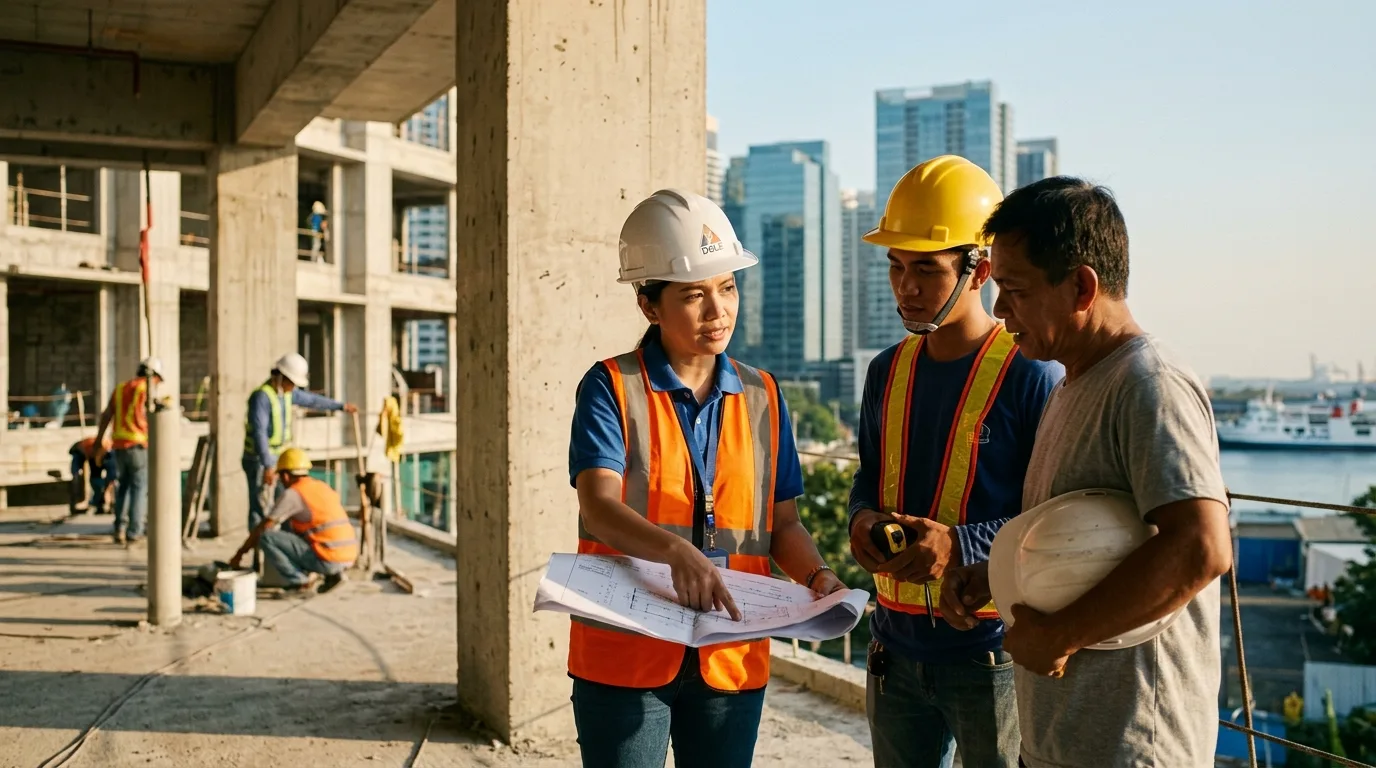
The Department of Labor and Employment (DOLE) in the Philippines has announced its commitment to generating not just more employment opportunities, but jobs of "better quality." This declaration signals an intent to address persistent challenges within the nation's labor market, aiming to provide improved conditions and prospects for its citizens, both domestically and potentially impacting the drivers for overseas employment.
Redefining the Standard for Domestic Labor
This pledge by DOLE suggests a focus beyond mere job creation statistics, moving towards enhancing the substance of available roles. "Better quality" jobs typically encompass higher wages, comprehensive benefits, safer working environments, greater job security, and clearer pathways for career advancement. For many Filipinos, the absence of such opportunities at home has historically been a primary motivator for seeking employment overseas as OFWs, often enduring separation from families and significant personal sacrifices.
Economic Implications of Raising Job Quality
This commitment is crucial for the Philippine economy and its workforce. While the country consistently strives for higher employment rates, the quality of jobs often dictates the actual living standards and economic resilience of its people. Underemployment, characterized by individuals working fewer hours than desired or in positions that do not fully utilize their skills, remains a significant concern. Low-wage jobs, even when full-time, can still trap families in cycles of poverty. By prioritizing "quality," DOLE's initiative, if successfully implemented, could lead to increased purchasing power for Filipino workers, stimulate domestic consumption, and contribute to overall economic stability. Furthermore, it could offer a compelling alternative for many who currently feel compelled to work abroad, potentially strengthening families and communities by enabling more Filipinos to find fulfilling and well-compensated work within their homeland.
Translating Promises Into Concrete Policy
This commitment sets an important expectation for the future of labor in the Philippines. Filipinos, whether residing locally or working as OFWs, should closely monitor how DOLE plans to translate this pledge into concrete action. Key questions include the specific programs and policies that will be rolled out, the metrics used to define and measure "better quality" jobs, and the timelines for implementation. Staying informed about government initiatives related to job creation, skills development, and labor welfare will be essential. While this is a promising declaration, the true impact will ultimately depend on effective execution and sustained efforts to create a labor market that truly serves the aspirations of every Filipino.
