Philippines — The country is embarking on a significant transformation of its law enforcement, officially tapping into South Korea's renowned tech-driven policing model. This strategic partnership aims to revolutionize the nation's approach to crime-fighting, promising a more efficient and technologically advanced police force. The move signals a clear intent by the Philippine government to leverage cutting-edge solutions, similar to those successfully implemented in South Korea, to address persistent challenges in public safety and security across the archipelago.
Deploying Big-Data Crime Analytics and Consolidated Surveillance Infrastructure
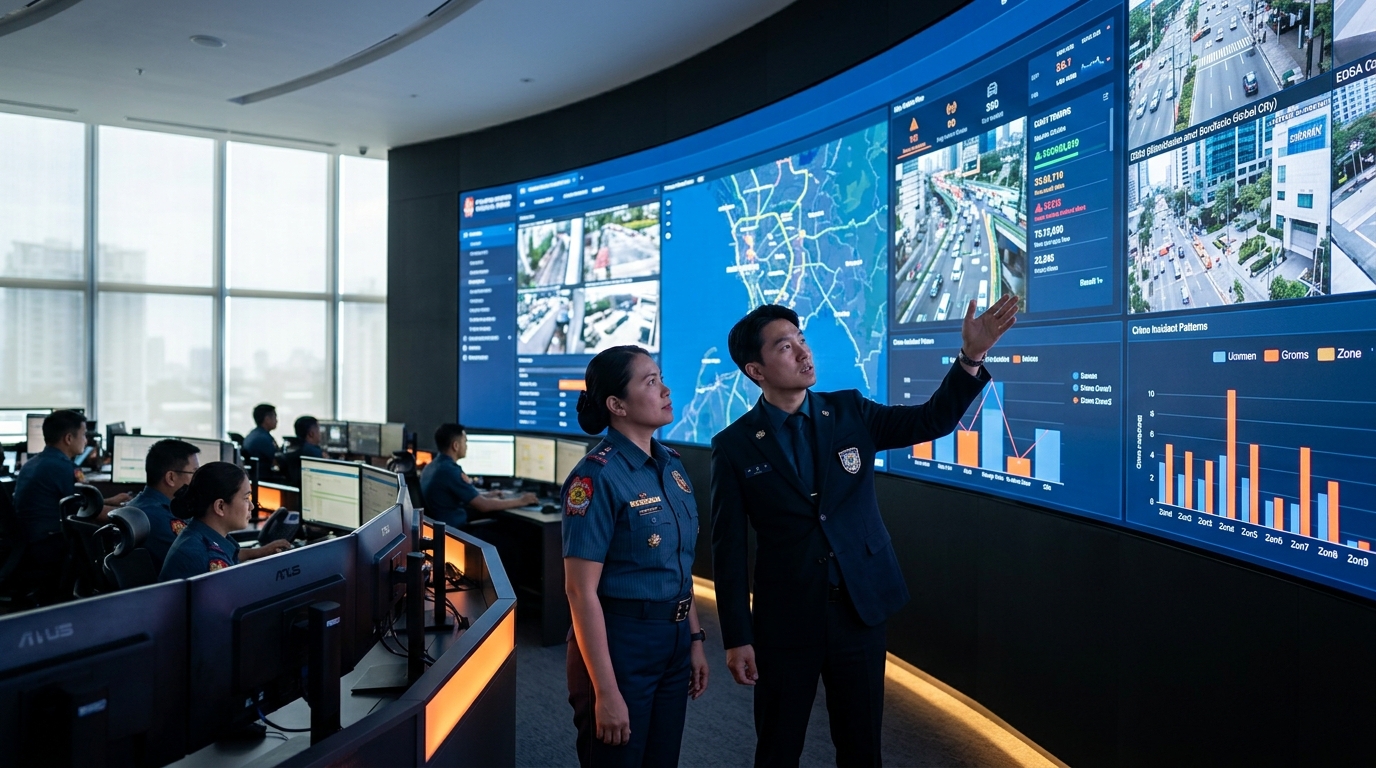
While specific details of the technology transfer and implementation timeline remain to be fully disclosed, the South Korean model typically encompasses extensive use of smart city infrastructure, advanced surveillance systems, data analytics for crime prediction, and rapid response mechanisms. For the Philippines, this could translate into a nationwide network of high-definition CCTV cameras, integrated command centers, and sophisticated software designed to identify criminal patterns and optimize police deployment. The goal is to create a safer environment, deter criminal activities more effectively, and ensure swifter justice for victims.
Attracting Inbound Investment Capital and Navigating Civil Liberties Protections
This ambitious undertaking carries profound implications for every Filipino, both domestically and for those working overseas. For families in the Philippines, a more secure environment could mean reduced vulnerability to street crime, theft, and other illicit activities, fostering greater peace of mind. Economically, enhanced security is a critical factor for attracting foreign investment and boosting local businesses, potentially leading to job creation and improved economic stability. Overseas Filipino workers (OFWs), who often send remittances to support their families back home, will likely view this development with keen interest, as a safer Philippines could influence their decisions regarding family well-being, investments, and eventual repatriation. However, the introduction of extensive surveillance technology also raises important questions about privacy and civil liberties, necessitating robust legal frameworks and oversight to prevent potential misuse.
Institutionalizing Legal Compliance Measures and Mandating Public Data Transparency
As this tech-driven policing model takes shape, Filipinos must be informed about its scope, safeguards, and their rights. OFWs, in particular, should monitor how these changes impact the safety and daily lives of their loved ones, as well as the broader socio-economic landscape. Transparency in implementation, public education on new technologies, and clear accountability mechanisms for law enforcement will be crucial. This shift represents not just an upgrade in police equipment, but a fundamental change in how law and order are maintained, and its success will ultimately be measured by its ability to enhance safety while upholding the rights and welfare of all Filipinos.