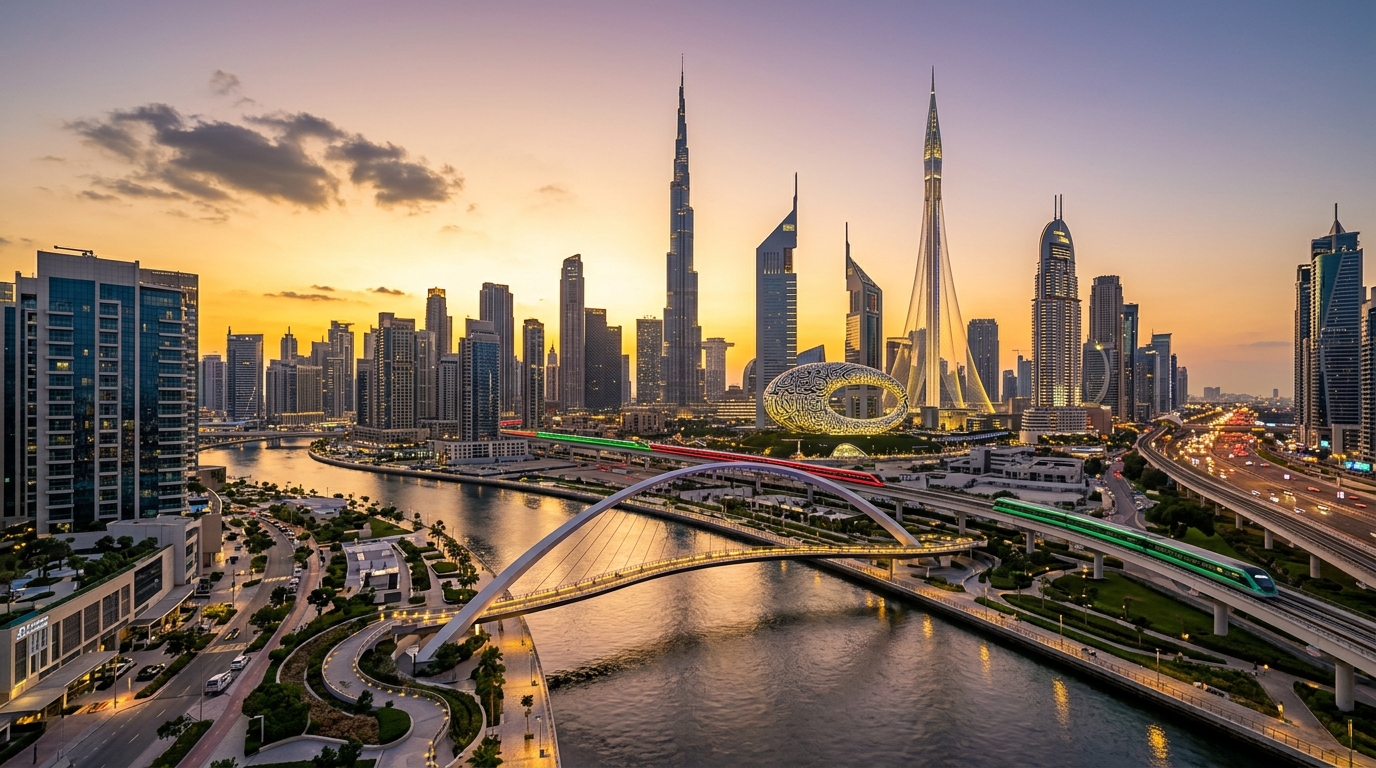
Dubai — the city is gearing up for a significant overhaul, with 12 major changes slated to take effect by summer 2026. While the precise nature of these transformations remains largely unannounced in the initial reports, the mere prospect of such widespread adjustments in a key global hub like Dubai warrants close attention, especially for the substantial Filipino expatriate community residing and working there.
Tracking Broad Infrastructure Overhauls and Regulatory Shifts
The announcement, originating from Time Out Dubai, signals an ambitious period of development and policy adjustments for the emirate. Given Dubai's dynamic economic landscape and its continuous evolution, these "major changes" could span a wide array of sectors, potentially touching upon urban planning, business regulations, employment policies, lifestyle amenities, or even visa and residency frameworks. For the hundreds of thousands of Filipinos who call Dubai their second home, such shifts are not merely news; they are potential determinants of their future prospects, job stability, and overall quality of life.
Analyzing Labor Protections, Living Costs, and Remittance Corridors
Any substantial policy or infrastructural change in the United Arab Emirates has a ripple effect on its diverse expatriate population, particularly the Filipino workforce. Filipinos comprise one of the largest expatriate groups in Dubai, contributing significantly to various sectors from hospitality and retail to healthcare and construction. Changes in labor laws could affect contracts, working conditions, or even minimum wage structures. Shifts in urban development might lead to new housing opportunities or changes in living costs. Economic policy adjustments could open new job markets or alter existing ones, directly influencing the remittance flows back to the Philippines, which are vital for many Filipino families.
Accessing State Bulletins and Engaging Institutional Networks
As more details emerge regarding these 12 major changes, it is crucial for every Filipino and Overseas Filipino Worker (OFW) in Dubai to remain vigilant and informed. Staying updated through official government channels, reputable news sources, and community advisories will be paramount. OFWs should be prepared to understand how potential changes in regulations, economic policies, or social frameworks might affect their employment status, visa requirements, cost of living, and access to services. Proactive engagement with employers and Filipino community organizations can also provide valuable insights and support during this transitional period, ensuring the Filipino diaspora in Dubai is well-prepared for what lies ahead.