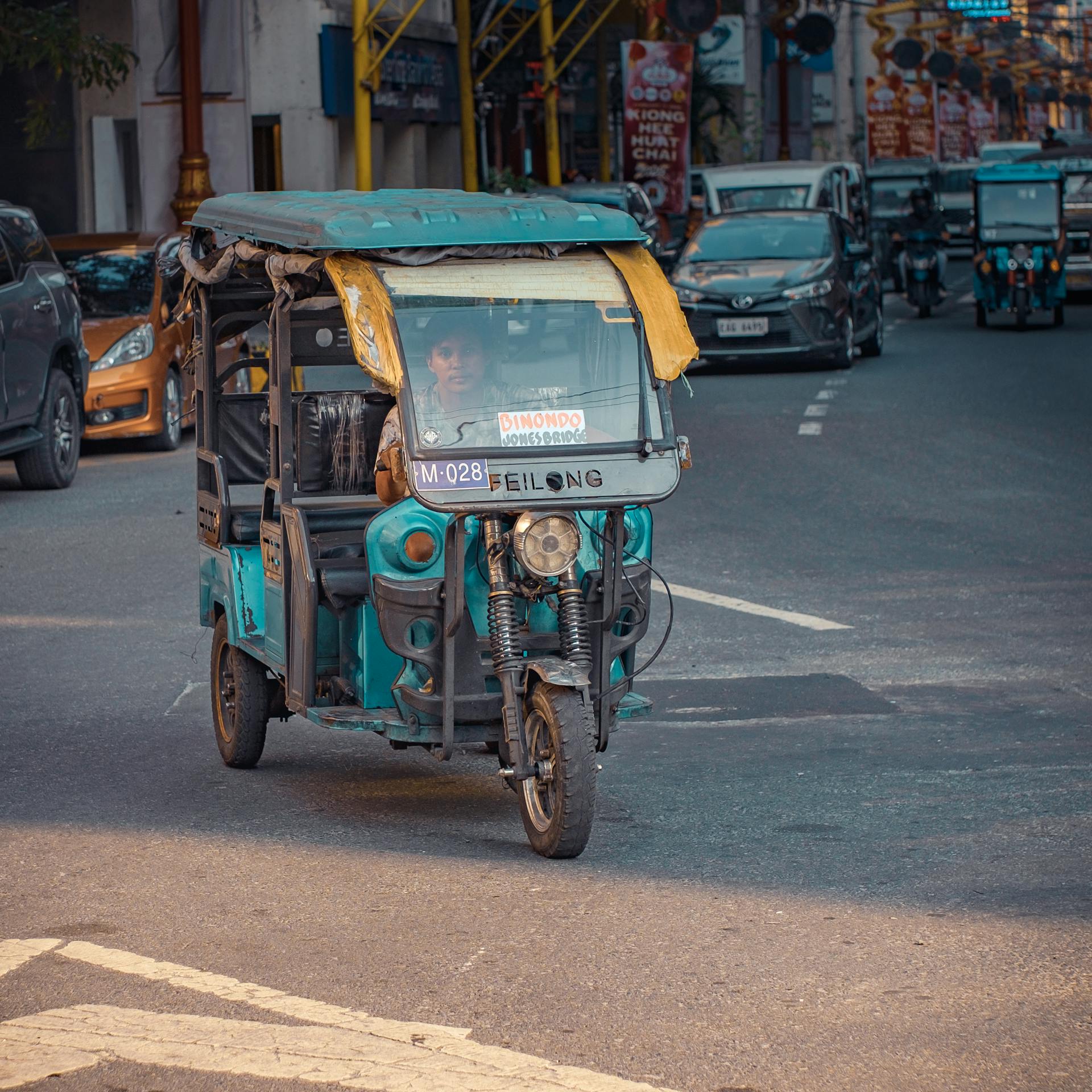
Tricycles are the heartbeat of Davao City’s local transport network. They serve as the final link in the urban mobility chain, ferrying passengers from main roads to the narrow alleys and market aisles that larger vehicles cannot reach. When fuel prices spike and operational costs climb, these drivers are among the hardest hit. In response, the Department of Social Welfare and Development – Davao Region (DSWD‑11) has released more than PHP 72.5 million in cash relief to nearly 14,511 tricycle drivers across Davao del Sur and Davao del Norte, a move that not only stabilizes the drivers’ livelihoods but also helps preserve the city’s appeal as a tourist‑friendly destination.
A Timely Boost for Daily Operators
The cash assistance, which began rolling out on April 8, 2026, is part of the DSWD’s Assistance to Individuals in Crisis Situation program. The initiative is designed to help public utility vehicle drivers meet their basic needs amid rising fuel costs and inflationary pressures. “To qualify for the grant, drivers are required to hold a valid permit and a professional driver’s license,” DSWD‑11 reminded beneficiaries, who must also present their original license and a photocopy during the payout.
As of April 28, data sent to the Philippine News Agency showed that 15,547 beneficiaries were originally listed across 14 cities and municipalities, with distribution still ongoing in Malita, Davao Occidental. Around 1,036 identified beneficiaries have yet to claim their share, leaving a balance of more than PHP 5.1 million waiting to be picked up. For the drivers who do claim the aid, the extra cash means they can avoid passing the full burden of higher fuel costs onto passengers—helping keep fares reasonable for residents and tourists alike.
Economic Cash Transfer Program Extends the Safety Net
Alongside the tricycle driver relief, DSWD‑11 continues to operate its Emergency Cash Transfer (ECT) program. In a separate payout, 6,966 residents of New Corella, Davao del Norte, are scheduled to receive over PHP 35.6 million, with each beneficiary getting PHP 5,122 during the distribution period that runs until May 2. The ECT is a proven mechanism for shielding vulnerable groups from economic shocks. It provides unconditional cash aid to families affected by disasters or emergencies, bridging the gap between initial relief and early recovery.
For the tourism sector, a stable ECT system means that frontline workers—including transport providers—can stay operational even when external shocks hit. Without this safety net, drivers might be forced to suspend service or hike fares, both of which would directly diminish the visitor experience.
A Ripple Effect for Davao’s Visitor Economy
Tricycle drivers are unofficial tourism ambassadors. They are often the first friendly face a visitor sees after hopping off a jeepney or bus. A driver who is struggling to make ends meet may be less likely to offer the warm, helpful service that Davao is known for. Conversely, a driver who has received timely cash aid can focus on maintaining their vehicle, driving safely, and welcoming passengers with a smile.
The PHP 72.5 million released this month helps remove that financial worry for thousands of drivers. It also complements the city government’s own fuel‑subsidy efforts. Earlier in April, the City Transport and Traffic Management Office announced a PHP 5,000 fuel subsidy for registered tricycle‑for‑hire operators, a co‑ordinated response to the continued, significant increases in gasoline prices.
By reducing the need for drivers to raise fares, these programs help keep Davao City’s transportation affordable and accessible—an essential ingredient for attracting both domestic and international tourists. A visitor who can easily and cheaply hop on a tricycle to explore the city’s markets, food spots, and attractions is far more likely to enjoy their stay and spread positive word‑of‑mouth.
Challenges Remain, But the Direction Is Clear
Not every driver has been covered. Some operators in Davao City expressed disappointment after their names were missing from the master list, despite having submitted the required documents. DSWD‑11 Director, Rhuelo Aradanas, clarified that the agency follows strict guidelines to ensure fairness and prevent abuse. For those who did not qualify, the city government has offered alternative programs such as cash‑for‑work opportunities.
Nevertheless, the overall impact of the PHP 72.5 million release is undeniably positive. It has put money directly into the hands of workers who form the backbone of Davao’s informal transport network. When tricycle drivers are financially secure, the entire mobility ecosystem functions better—and a city that moves well is a city that welcomes tourists well.