A critical policy debate is currently reaching its climax on April 19, 2026, as stakeholders clash over the future protection of the Chocolate Hills. Following a series of unauthorized structures in protected zones, the Department of Environment and Natural Resources (DENR) has moved to enforce stricter conservation rules. Travelers and environmental groups are now urging lawmakers to reject any bills that would reduce the Hills' protection, fearing for the integrity of Bohol's most iconic natural wonder.
The Hills Turn Brown: A Seasonal Spectacle
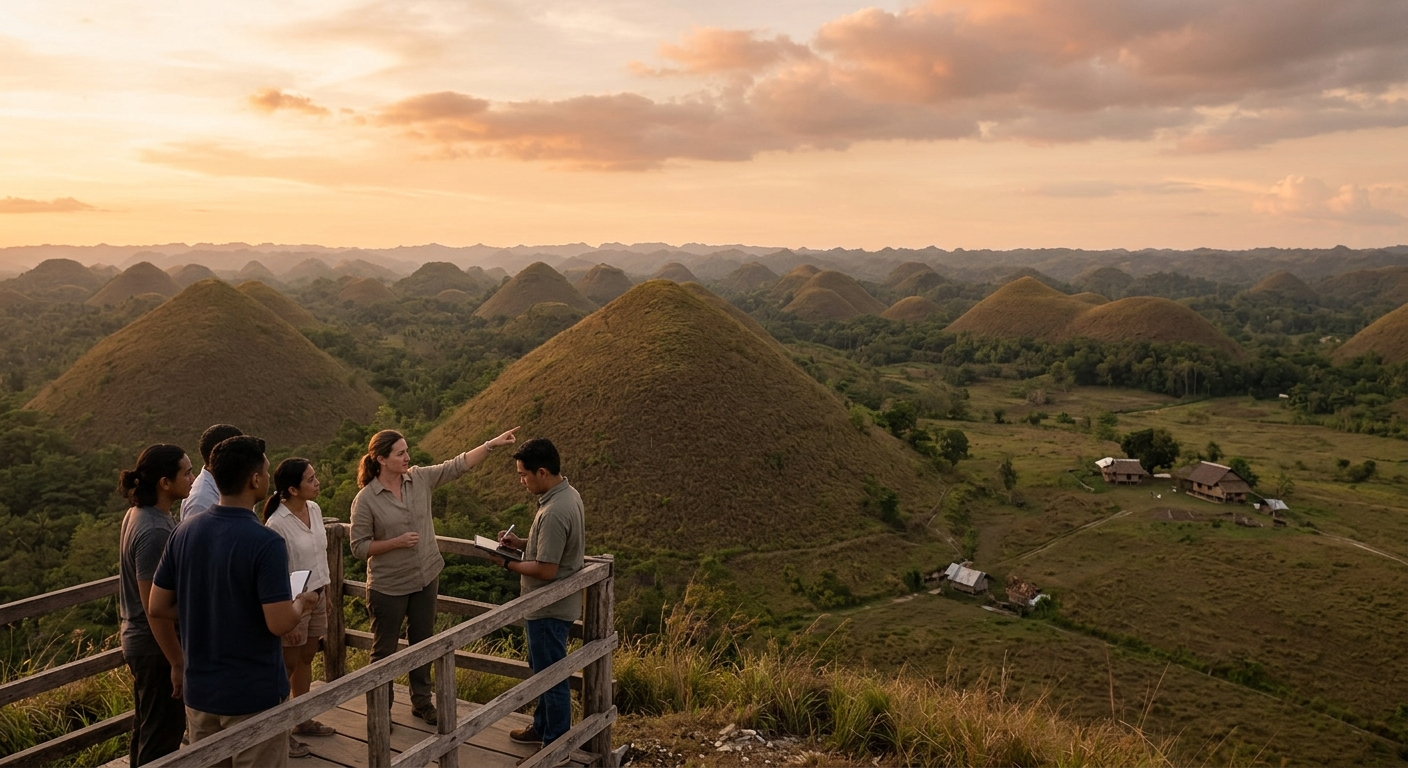
During this dry season in April, the Chocolate Hills have completed their transition from lush green to earthy brown mounds, resembling giant chocolate drops. This seasonal shift remains one of the most photographed phenomena in the Philippines, drawing thousands to vantage points like the Chocolate Hills Complex and Sagbayan Peak. However, the surreal beauty is currently under pressure as local leaders grapple with how to manage the 1,700 cone-shaped mounds across 50 square kilometers of protected land.
Balancing Conservation and Human Needs
Board Member Jiselle Rae Aumentado Villamor, who chairs the committee on tourism, recently emphasized that conservation must go hand-in-hand with clear, workable policies. The current debate centers on whether to cut protected coverage, a move environmental groups say would "defeat the purpose of the law". Stakeholders are calling for streamlined permit systems and consistent enforcement to ensure that legitimate local business owners are not unfairly penalized by rigid protectionist measures.
A Symbol of Identity at Risk
The Chocolate Hills are not just a tourism product; they are the defining symbol of Bohol’s identity and its UNESCO recognition. Advocates argue that any reduction in the buffer zones would set a dangerous precedent for the country's other natural monuments. As the island continues to attract record arrivals this Easter Sunday, the quiet majesty of the hills serves as a reminder that some landscapes must be deeply felt and fiercely protected rather than merely viewed.