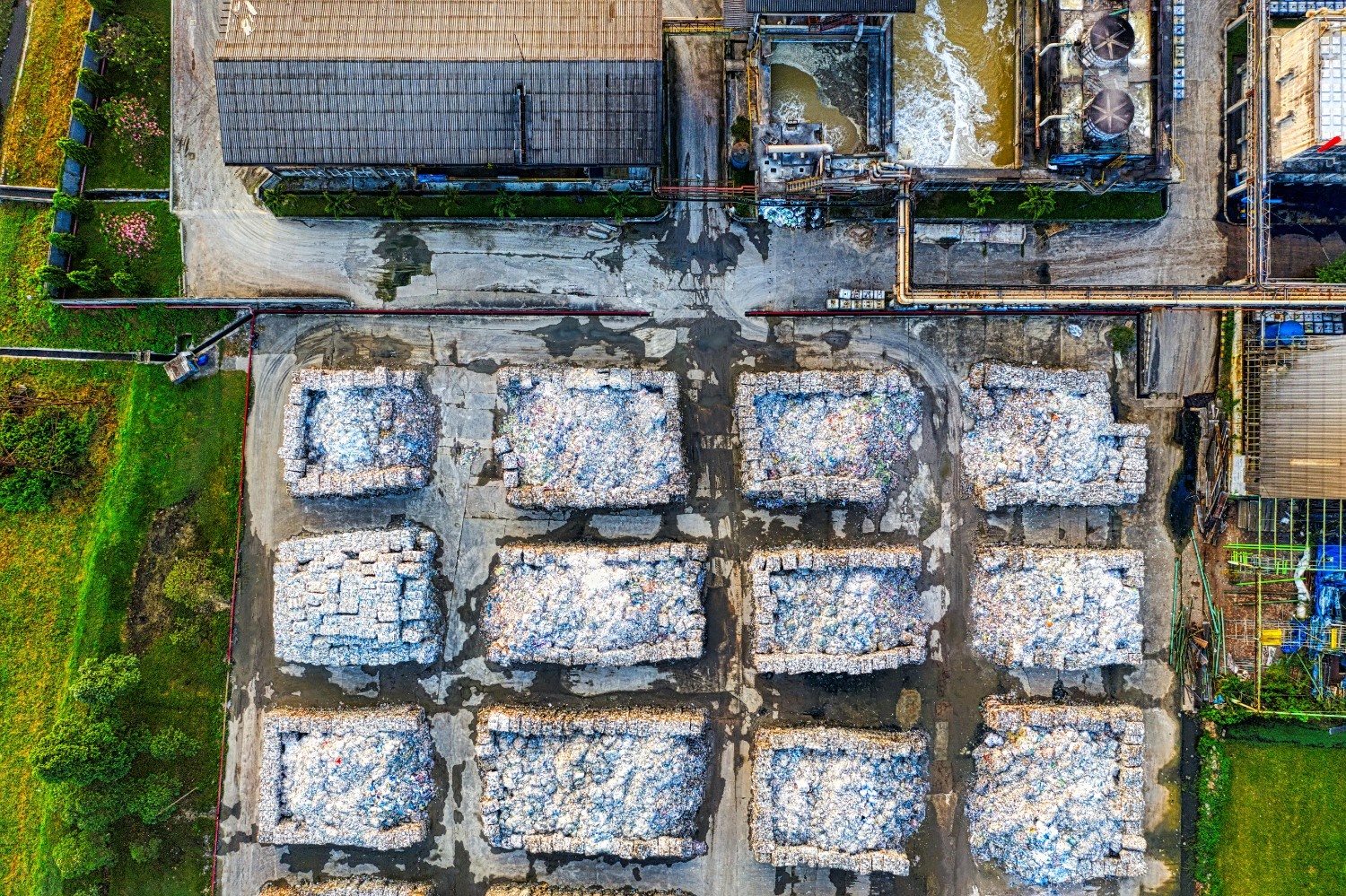
Davao City’s plan to transform its waste management into a sustainable energy source is currently at the center of a high-stakes environmental and economic debate. On Saturday, April 18, 2026, a prominent Japanese diplomat issued a firm defense of the city's proposed Waste-to-Energy (WTE) project amid rising fears regarding its impact on air quality. As the city pursues its vision of modernized urban development, this billion-peso infrastructure project is being framed as the only viable solution for the region's mounting waste crisis. The outcome of this debate will significantly influence the "Green City" reputation that has driven Davao’s real estate demand for years.
Scientific Assurance Amid Public Concern
On April 18, 2026, Japanese diplomatic representatives provided a robust technical defense of the WTE facility planned for the city. They asserted that the technology being utilized is world-class and specifically designed to meet stringent environmental safety standards without harming surrounding communities. This statement was a direct response to local environmental groups who have warned of potential sustainability risks to the city's air and water supply. By backing the project’s safety profile, the Japanese embassy aims to reinforce the credibility of the infrastructure partnership that has been years in the making.
Waste Management as a Real Estate Necessity
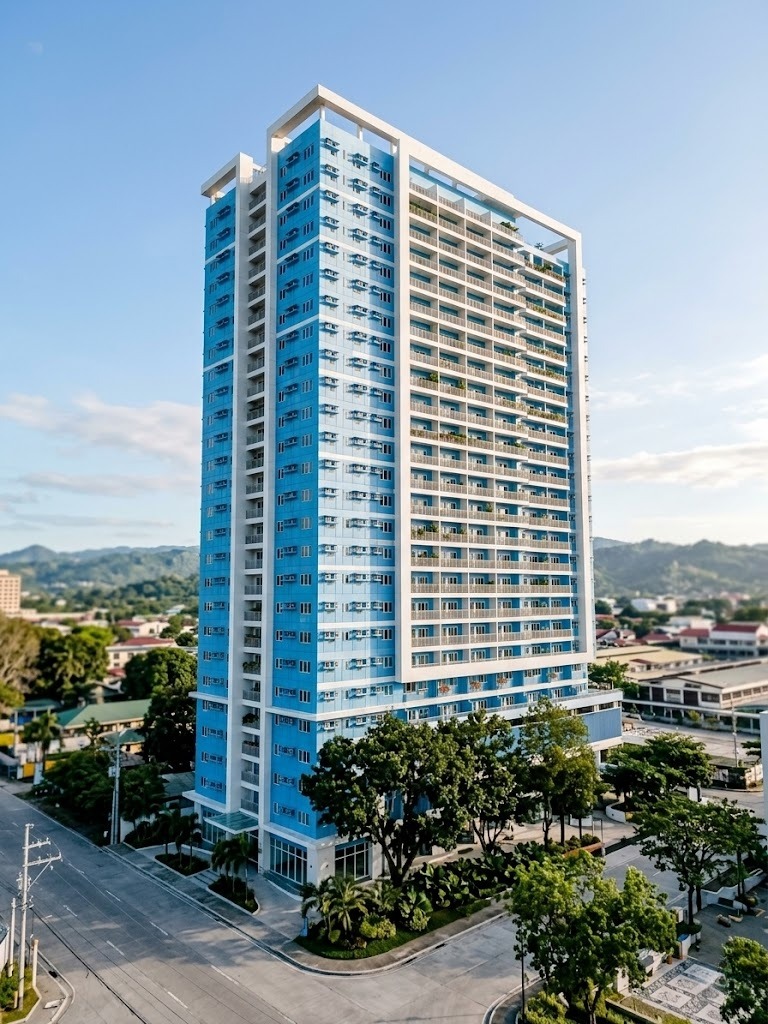
The city’s leadership argues that a modernized waste management system is essential to support the rapid urbanization and real estate boom in Metro Davao. With residential and commercial building approvals rising by over 20 percent, the city can no longer rely on traditional landfills that threaten to reach capacity. The WTE project is viewed as a "disciplined growth" initiative that aligns with the city’s 2026 agenda for sustainable, community-centered development. Proponents suggest that reliable waste processing will enhance the long-term value of properties in growth corridors such as Lanang and Buhangin.
The Regional Resilience Narrative
This infrastructure gamble is part of a broader effort by the Davao local government to remain a premier "safe haven" for both domestic and foreign investors. By addressing urban waste and energy stability simultaneously, the city aims to distinguish itself from oversupplied and poorly planned metropolitan markets in Luzon. The project is supported by a substantial infrastructure budget for 2026, which also includes the landmark Samal-Davao bridge and major airport terminal expansions. As the city council continues to review policy instruments like the Schedule of Market Values, the success of the WTE project remains a vital component of Davao's overall economic competitiveness.