The tarsier has official competition for the title of Bohol's most famous and unique resident this April 20, 2026. A rare marine species discovered in the province is currently representing the Philippines in a prestigious international competition, drawing unprecedented attention from scientists and eco-tourists worldwide. This biological recognition is part of a broader push to market Bohol’s UNESCO Global Geopark as a sanctuary for world-first scientific wonders.
The Limestone Eater of Abatan River
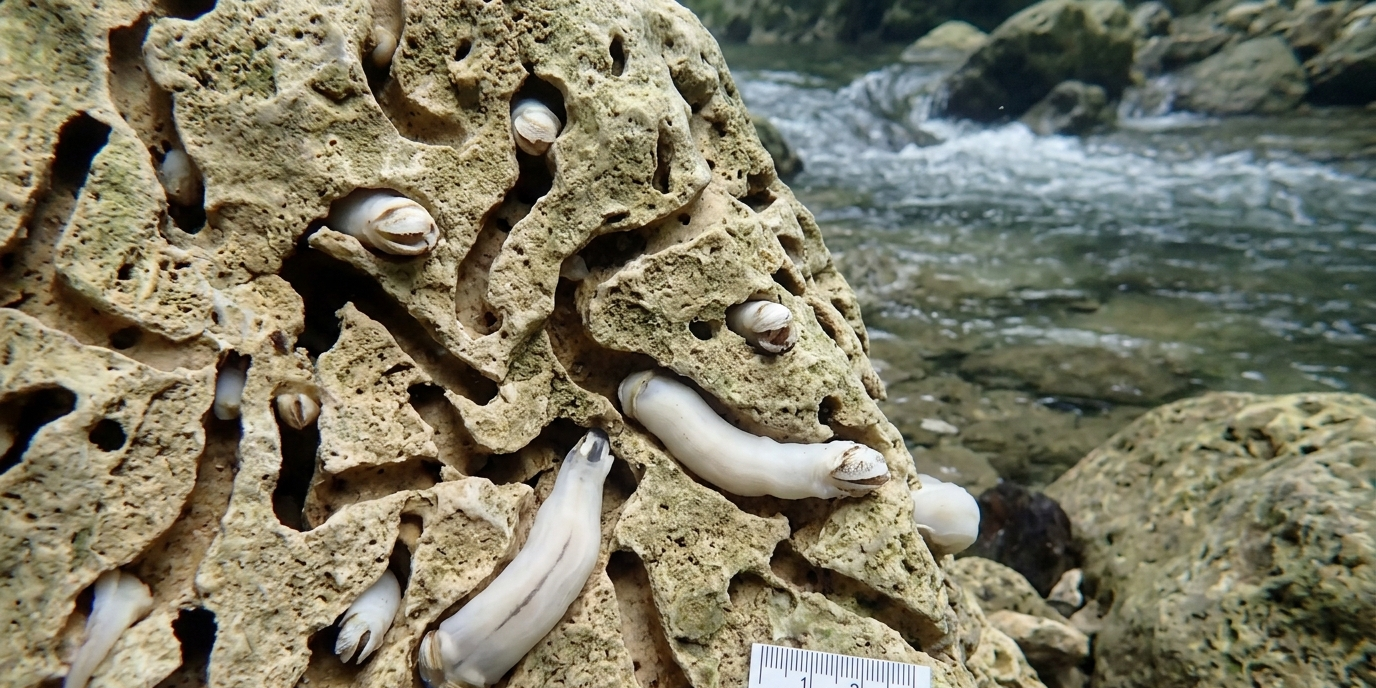
The antingaw, scientifically known as Lithoredo abatanica, is the first known shipworm that bores into and feeds on rock instead of wood. Found exclusively in the Abatan River of Maribojoc town, this rare mollusc differs significantly from other shipworms that typically destroy wooden docks and vessels. Instead of sharp structures, its shell has evolved with large, blunt denticles designed to cut through limestone by ingesting it. Scientists from the University of the Philippines Marine Science Institute (UP MSI) are currently investigating how the organism derives nutrients from its unusual inorganic diet.
A Global Showcase for Provincial Pride
On Monday, April 20, 2026, the antingaw was confirmed as one of five finalists for the annual International Mollusc of the Year competition. The contest is hosted by the German-based Senckenberg Society for Nature Research and aims to sequence the genome of the world's most unique species. This high-profile nomination underscores Bohol's reputation as a top-tier destination for specialized eco-tourism and nature-based adventures. Supporters are being encouraged to vote online before the April 26 deadline to secure the win for the Philippines.
Expanding the Eco-Tourism Frontier
The recognition of the antingaw aligns perfectly with Bohol's branding as a "regenerative and values-driven" destination. Tourism officials are using this nomination to promote new "biodiversity circuits" that highlight rare marine life alongside the province’s famous heritage landmarks. By showcasing these small but scientifically vital wonders, the province ensures its tourism industry remains resilient and globally competitive. As record numbers of visitors arrive this summer, the quiet majesty of these biological treasures tells a story that goes far beyond standard postcards.