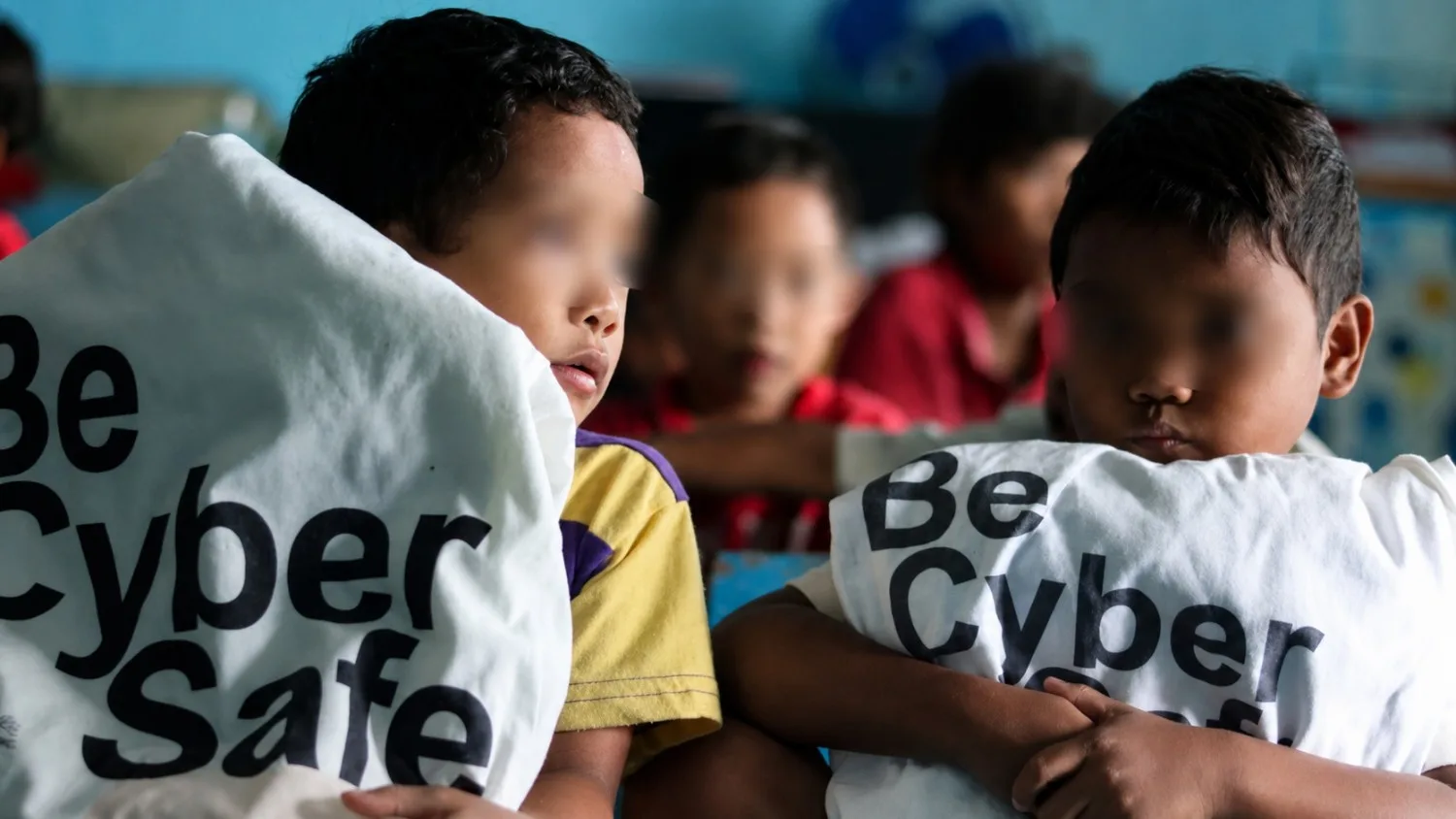
CAGAYAN DE ORO — The Philippine House of Representatives has unanimously passed House Bill No. 9461, otherwise known as the Child Online Safety and Protection Act of 2026, marking a significant advancement in the nation’s digital defense framework. With an overwhelming 284 affirmative votes, the measure reflects a unified commitment to confronting the evolving dangers that children face in the virtual landscape. By expanding the existing Anti-OSAEC and Anti-CSAEM Act, the legislation specifically addresses the harrowing reality of AI-generated exploitation and other sophisticated technology-facilitated crimes. This move is being hailed by government agencies and child welfare advocates as a critical step in reclaiming the digital space as a secure environment for the next generation.
Addressing Emerging Threats Posed By Artificial Intelligence And Deepfakes
A core innovation of this legislation is its explicit inclusion of artificial intelligence-generated and digitally manipulated content within the legal definition of child sexual abuse materials. As predators increasingly leverage deepfakes and synthetic media to harm children, the bill ensures that these new techniques are treated with the same severity as traditional forms of abuse. This proactive stance allows law enforcement to prosecute offenses involving AI-driven extortion or non-consensual imagery that current laws previously struggled to categorize. By staying ahead of technological developments, the government aims to close legal loopholes that have historically provided cover for sophisticated digital predators.
Criminalizing Complex Forms Of Online Grooming And Exploitation Tactics
Beyond addressing synthetic content, the bill establishes clear legal frameworks for prosecuting common yet complex digital crimes such as online grooming, sexual extortion, and livestreamed abuse. These behaviors, which often exploit the trust and innocence of minors across social media and gaming platforms, are now subject to stringent penalties including life imprisonment and multi-million peso fines. The measure signals a departure from purely reactive policies by mandating broader accountability for service providers and digital institutions that host such activities. By classifying these acts as major criminal offenses, the legislation provides a clearer mandate for authorities to track, intercept, and dismantle predatory networks that target Filipino youth.
Restoring The Sanctuary Of Learning And Digital Childhood Spaces
The passage of this bill is set to have a ripple effect on how families interact with technology, potentially fostering a safer culture within digital hubs and educational platforms. As parents and educators push for better awareness, this legislative support provides the necessary tools for national agencies to implement comprehensive protection, recovery, and reintegration programs for victim-survivors. Whether through Project SAFE or other institutional advocacy campaigns, the focus is now squarely on ensuring that children can explore the internet without fear. This effort mirrors a broader commitment to keeping the digital world as safe as any physical playground, park, or classroom, reinforcing the basic human right of children to be protected from harm.