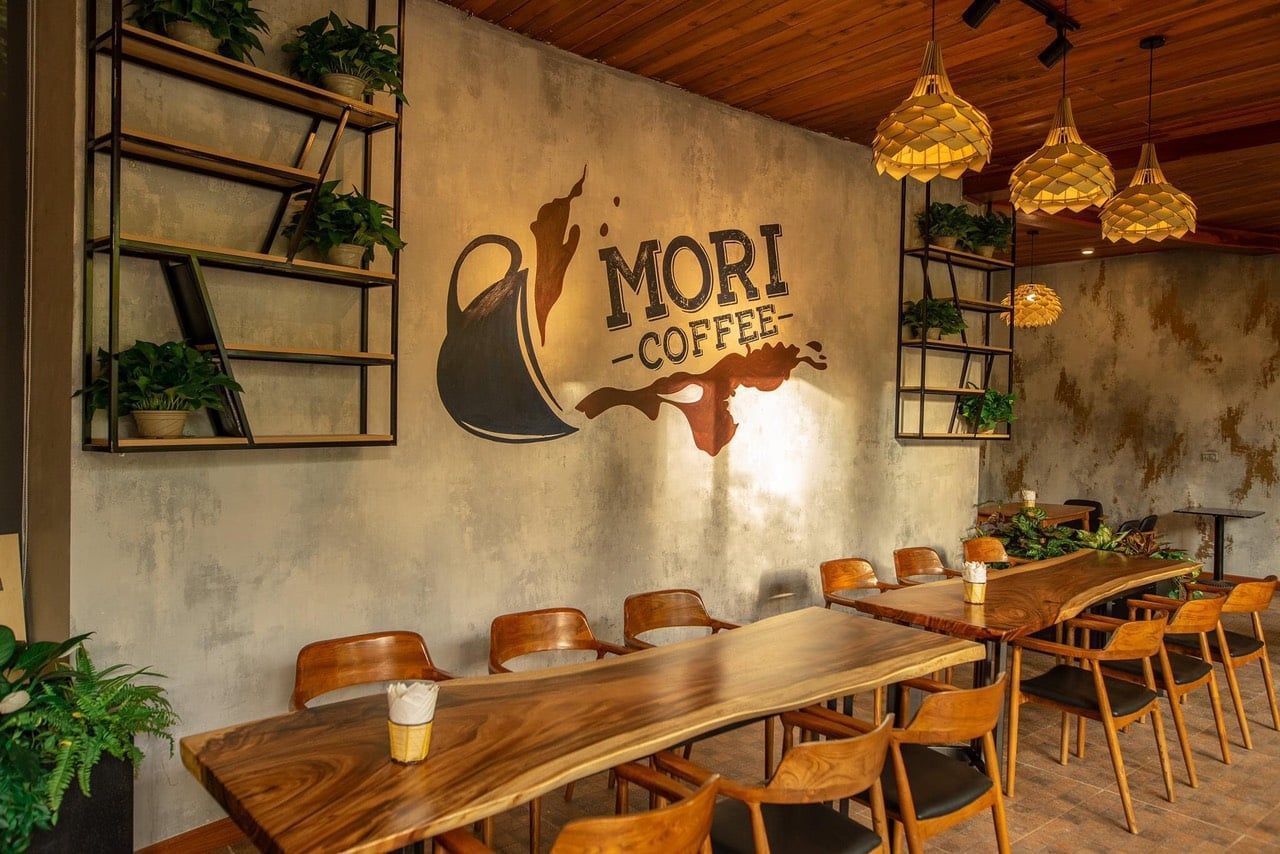
While restaurants in Panglao often focus on global fusion, the true heart of Boholano culinary identity this April 2026 remains the "Binignit." This traditional sweet stew—made with tubers, saba bananas, and landang (native palm flour)—has just concluded its most significant week of the year, serving as a cultural anchor for households across the province. As of April 23, the post-Holy Week period has seen a "heritage food" revival, with many local cafes in Tagbilaran City now adding this seasonal staple to their regular menus to satisfy tourist demand for authentic provincial comfort food. It is a dish that made Bohol famous for its "shared community pots," where neighbors exchange bowls in a ritual that predates the colonial era.
The Secret Ingredient of the South
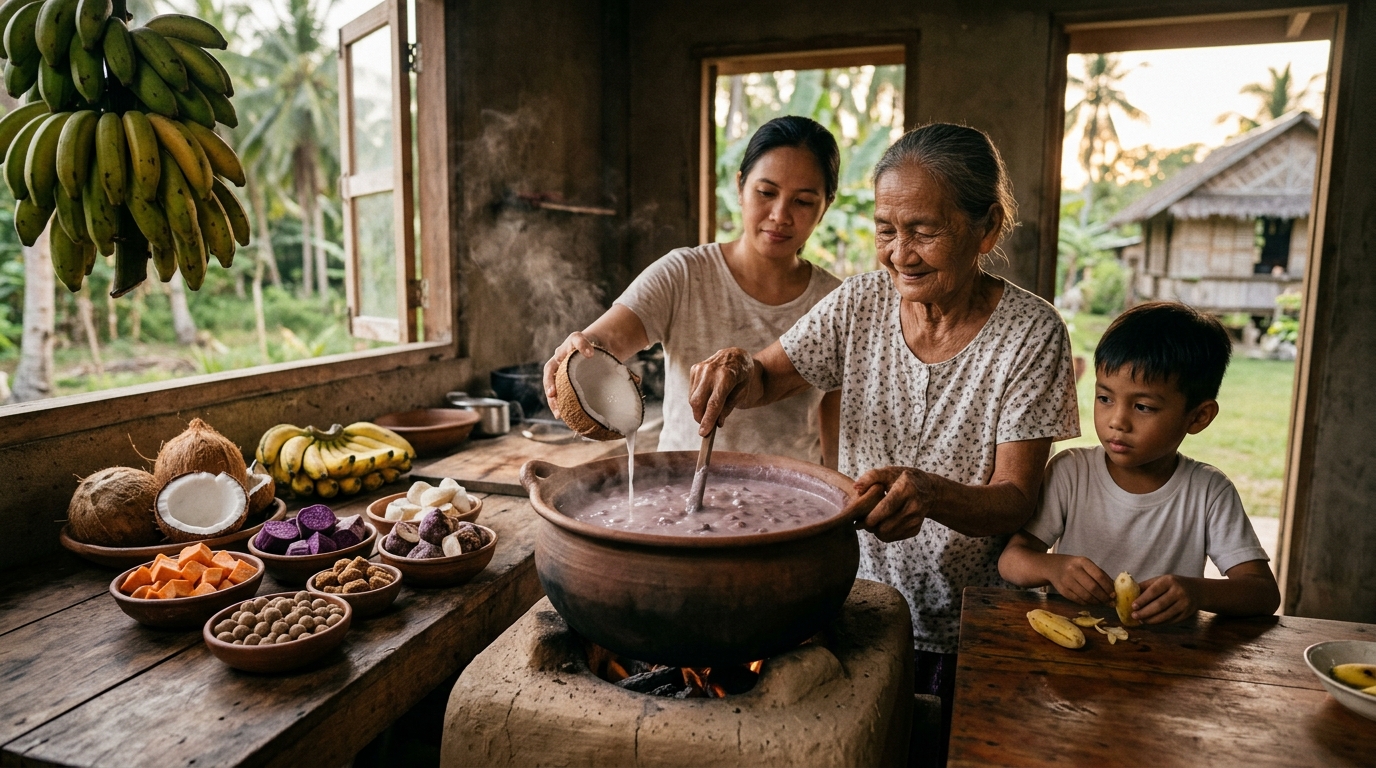
The key to authentic Boholano Binignit is the use of landang, which are processed palm flour pearls that give the stew its signature thick texture and earthy aroma. This week, local markets in Tagbilaran have seen a steady demand for these native pearls as residents continue the tradition of cooking the stew for large family gatherings. Unlike commercial versions found in Manila, the Boholano variant emphasizes the use of fresh camote (sweet potato) and ube (purple yam) sourced directly from backyard gardens. This reliance on locally grown tubers ensures that the dish remains a genuine representation of the island’s volcanic soil and agricultural richness.
A Culinary Bridge Between Generations
Preparing Binignit is a labor-intensive process that typically involves three generations of a family, from peeling the gabi (taro) to the careful simmering of the coconut milk. This communal activity is being celebrated this month as part of "Filipino Food Month," with local historians highlighting the stew as a symbol of Boholano resilience and faith. Even in 2026, the quiet rhythm of the province is often measured by the gentle simmer of these pots in various neighborhoods. It is a culinary practice that has successfully resisted the encroachment of fast-food culture, maintaining its place as the island’s ultimate comfort food.
Integrating Tradition into 2026 Tourism
Recognizing the tourist interest in "ancestral flavors," several boutique hotels in Tagbilaran have started hosting Binignit cooking workshops as of April 21, 2026. These sessions allow travelers to learn the complex art of balancing the sweetness of the muscovado sugar with the creaminess of the coconut milk. By turning a home-based tradition into an interactive experience, the city is finding new ways to preserve its food heritage while boosting local tourism revenue. For the visitor in late April, a warm bowl of Binignit offers a sweet, creamy portal into the very soul of the Boholano people.