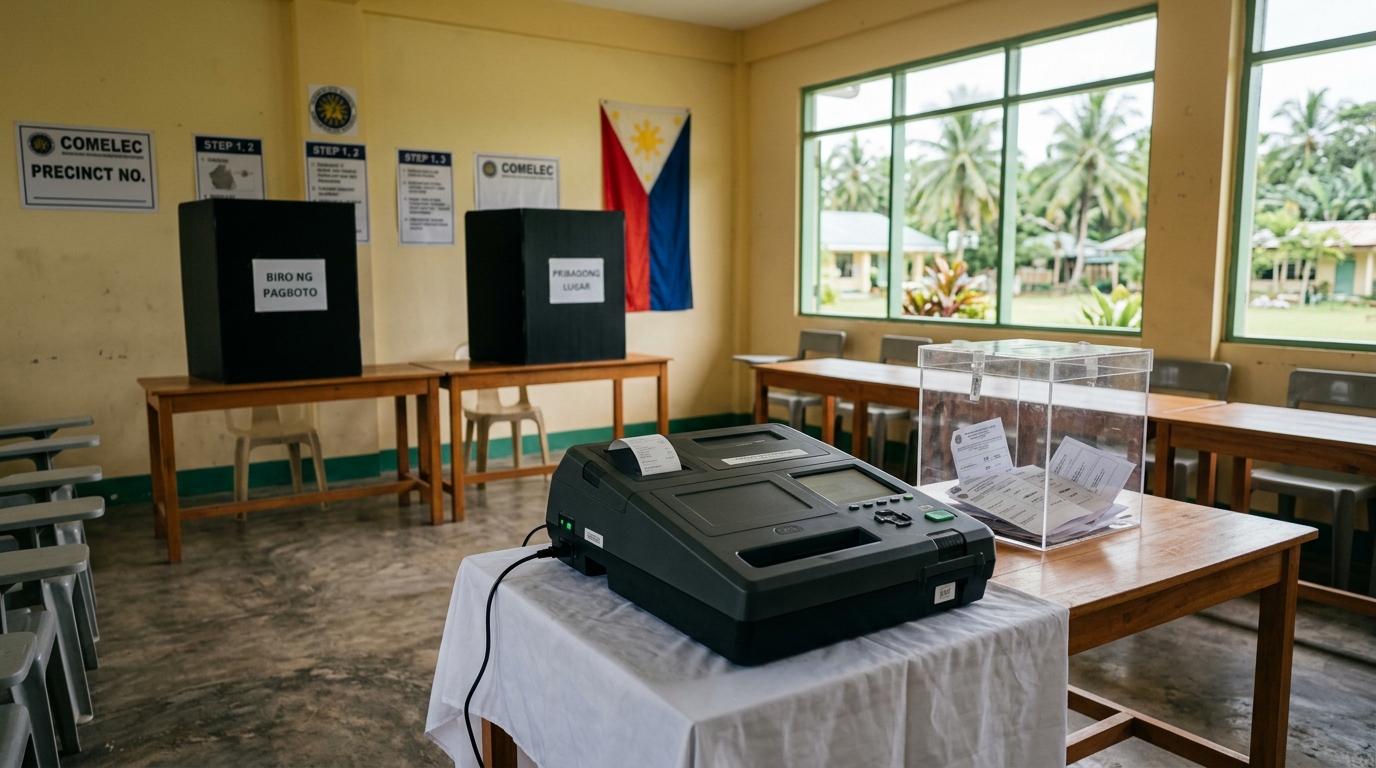
Davao — The Commission on Elections (COMELEC) has officially hailed the recent conduct of mock elections in the Bangsamoro Autonomous Region in Muslim Mindanao (BARMM) as a resounding success, marking a pivotal step in preparation for the upcoming electoral cycle. Held in select areas to simulate real-world voting conditions, the exercise was designed to pressure-test the automated election system, evaluate logistical readiness, and identify potential bottlenecks in ballot transmission and voter registration. By engaging local communities in a controlled setting, the poll body demonstrated its commitment to ensuring that the electoral process is not only efficient but also fully understood by voters in the autonomous region, where specific cultural and geographical challenges often necessitate a tailored approach to polling.
Optimizing Logistics for Remote Areas
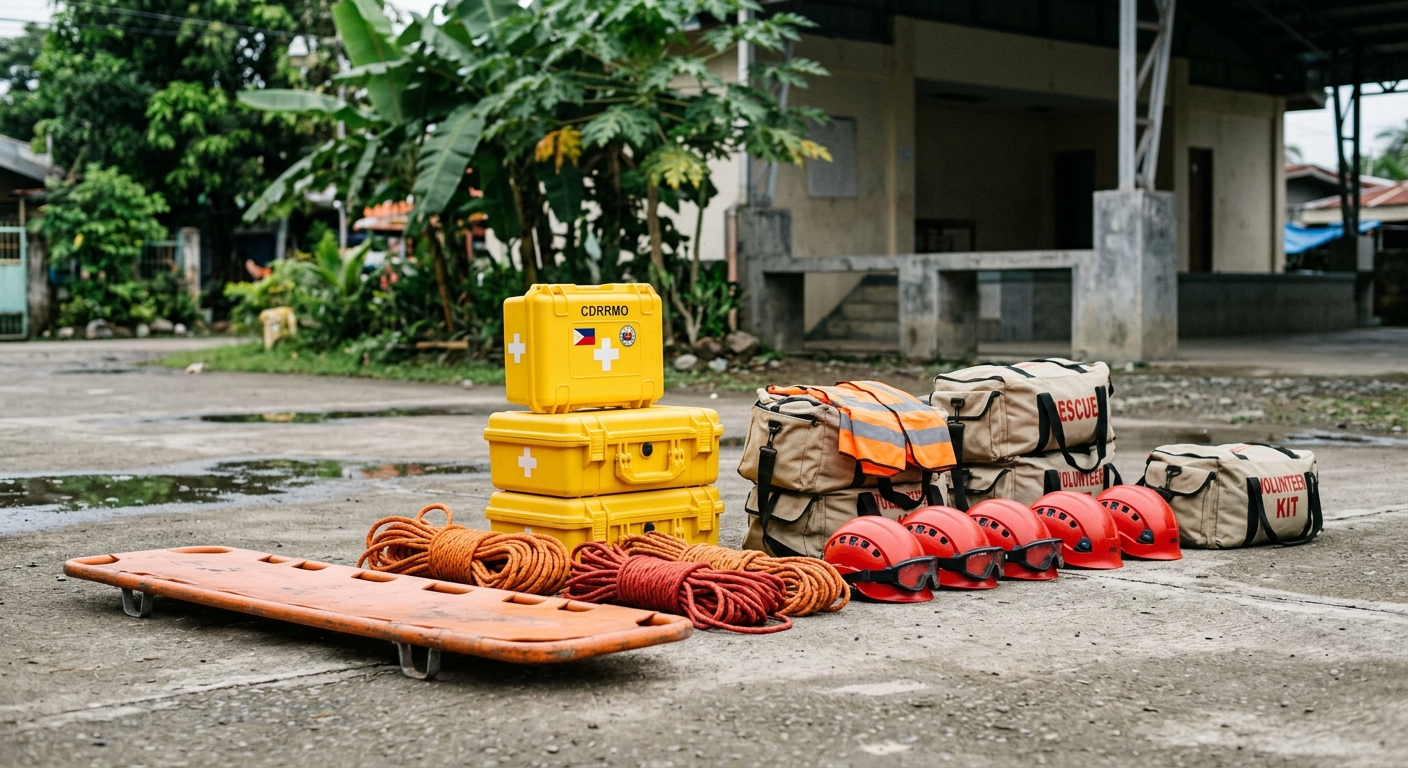
A major focus of the mock exercises was the seamless integration of technology in areas with limited infrastructure. COMELEC officials highlighted that the successful transmission of simulated election results from remote precincts to the central canvassing server proved the system's robustness even under challenging environmental conditions. The drill also provided a platform to refine the deployment of election inspectors and the handling of vote-counting machines (VCMs), ensuring that poll workers are well-versed in troubleshooting minor glitches. By streamlining these logistical procedures now, the agency aims to minimize delays on official election day, fostering greater public trust in the integrity of the vote.
Building Public Trust Through Transparency
Beyond the technical gains, the mock elections served as a critical educational tool for the electorate, demystifying the automated voting process for first-time voters and members of indigenous communities. The high level of cooperation from local government units and civil society organizations underscored a shared desire for a transparent and peaceful electoral experience. COMELEC emphasized that the feedback gathered from these simulations—including voter wait times, machine accessibility, and the clarity of ballot instructions—will be used to further improve the implementation of the Bangsamoro electoral code. As the region moves closer to the actual polls, these efforts represent a proactive approach to protecting the sanctity of the ballot and ensuring that every citizen's voice is accurately captured and counted.