The numbers are in, and they are staggering. This April, Cebu’s home-grown real estate giant has clarified its 2026 spending power, signaling a massive "consolidated" offensive that aims to reshape the skylines of not just Cebu, but the entire country.
The "Consolidated Strength" Narrative
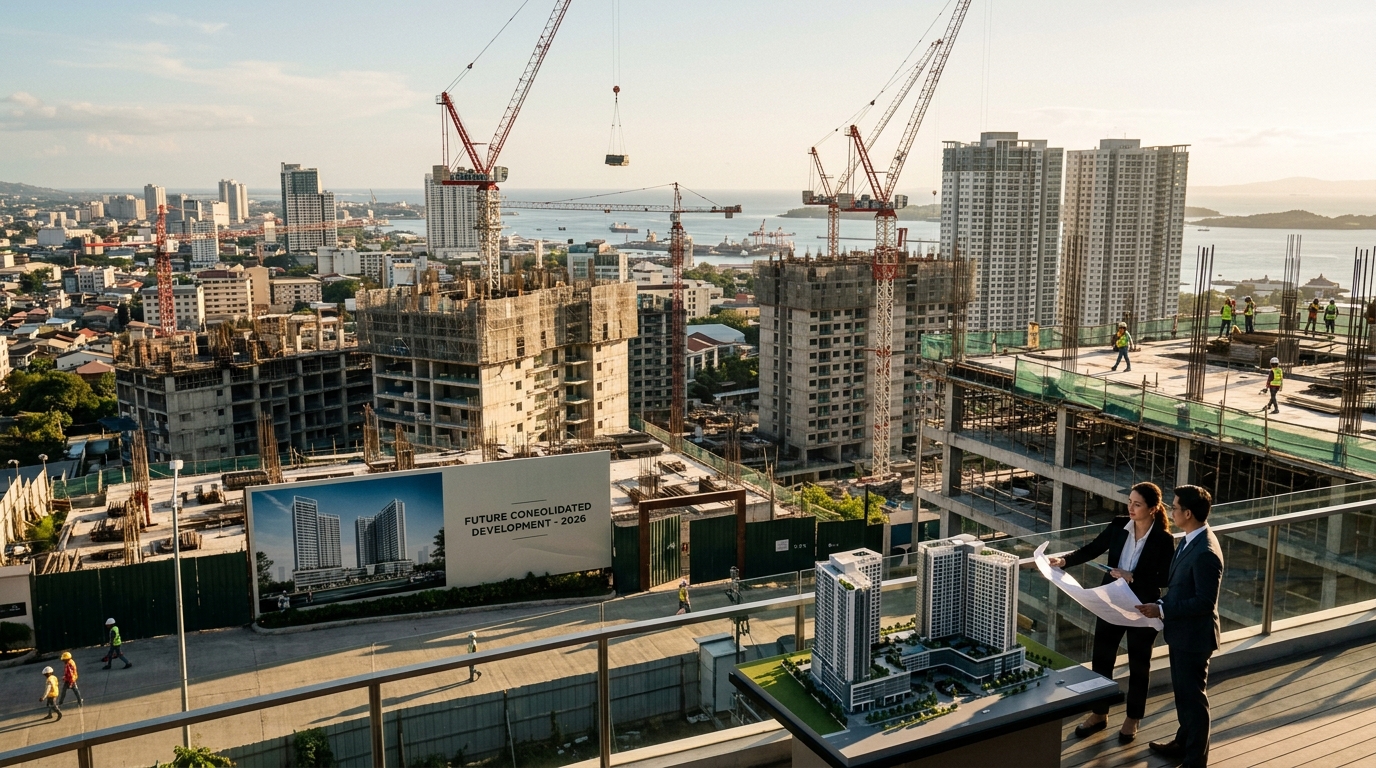
For the 2026 corporate observer, the story is about the transition from a parent-level player to a regional conglomerate. The leap from a previously discussed ₱14 billion to a ₱20 billion consolidated capex reflects CLI’s broader involvement in joint ventures and subsidiary projects. In a disclosure on April 16, the company emphasized that ₱12.7 billion is earmarked specifically for project construction, ensuring that the 2026 skyline will see a record number of cranes. This massive capital deployment is a strategic response to the record-breaking ₱24.6 billion in reservation sales achieved in the previous cycle. It signals that despite global economic jitters, Cebu’s leading developer is playing "offense" on an unprecedented scale.
Diversification and "Cautious Optimism"
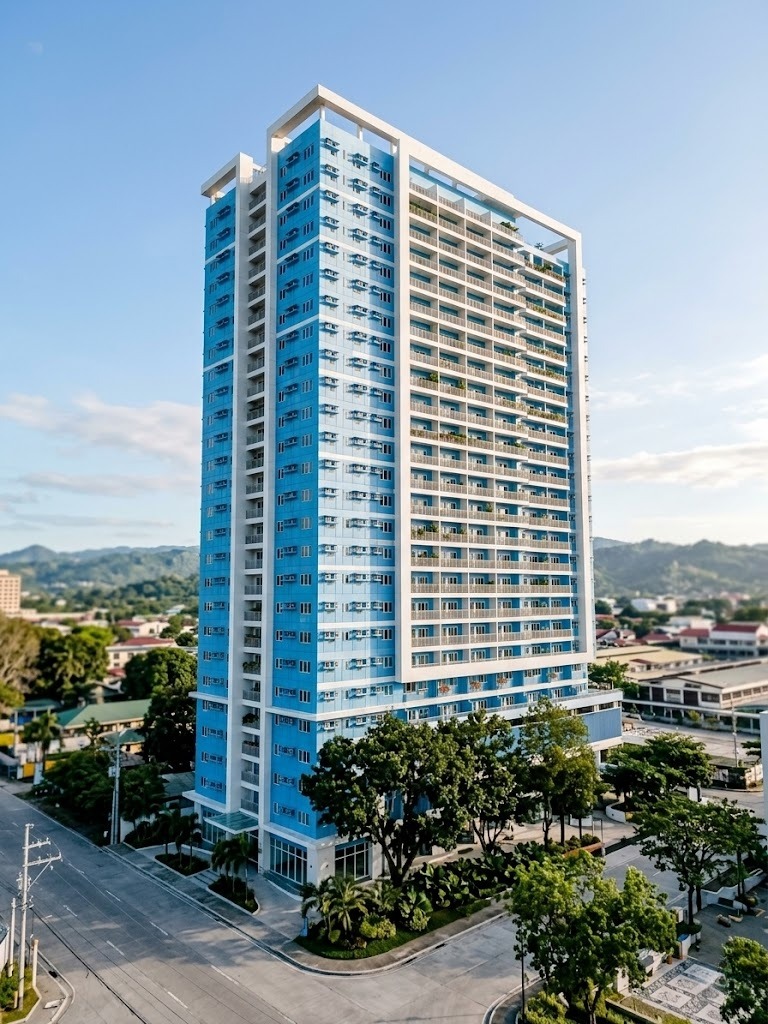
This movement is driving a balanced expansion strategy across multiple real estate segments. While residential projects remain the core focus, CLI is significantly increasing its footprint in hospitality and leasing, which saw a 57% revenue jump this month. Senior Executive VP Jose Franco Soberano noted that the company remains "cautiously optimistic" as it navigates Middle Eastern tensions that affect global fuel and material prices. This strategy includes the launch of three major projects this second quarter, including a strategic entry into the Metro Manila market. By late 2026, CLI’s portfolio is expected to be the most diversified in its history, shielding it from sector-specific volatility.
Economic Ripple Effects for the Visayas
Analysts view this ₱20-billion budget as a massive job-creation engine for the Central Visayas. With 91% sell-out rates across its 4,500 recently launched residential units, the demand for local construction labor and professional services has reached a 2026 peak. The company’s focus on "delivering where demand is real" is helping to stabilize housing prices in Cebu by ensuring that supply keeps pace with the growing BPO and OFW returnee market. This capital infusion is also benefiting local subcontractors who are now working on high-spec, "Manila-grade" developments in secondary cities. By the end of 2026, the real estate sector’s contribution to regional GDP is expected to reach an all-time high.