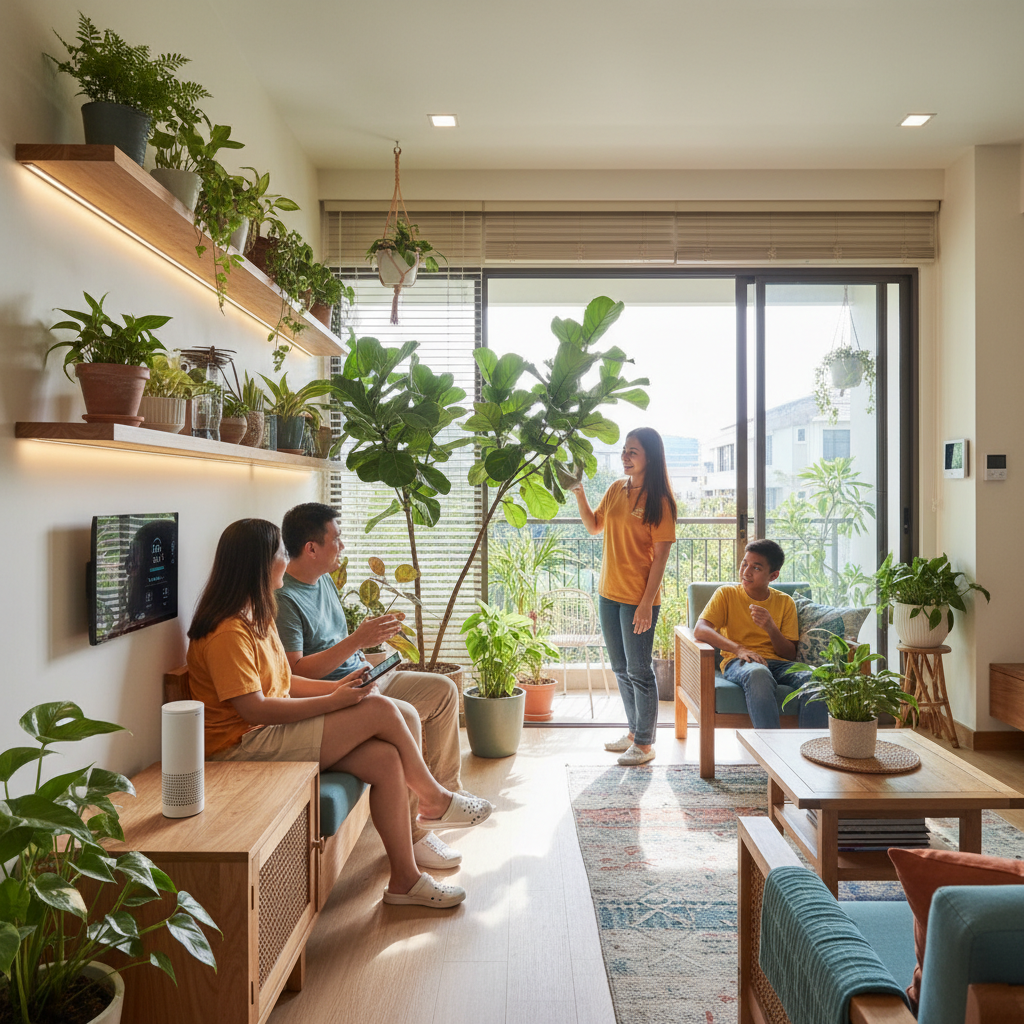
A significant shift is underway in the Philippine real estate landscape, moving towards the integration of sustainability into the design and construction of next-generation homes. This emerging trend signals a future where residential properties are not only built for comfort but also for environmental responsibility and long-term economic efficiency, a development with profound implications for Filipino families and Overseas Filipino Workers (OFWs) investing in their homeland. The concept of a "next-gen Filipino home" increasingly encompasses features like energy-efficient designs, water conservation systems, and the use of eco-friendly construction materials. These innovations are poised to redefine what it means to own a home in the Philippines, promising reduced utility bills, healthier living environments, and a smaller carbon footprint. For many Filipinos, especially those working abroad, the prospect of building a legacy includes securing a comfortable and sustainable future for their families back home.
Why It Matters
This movement towards green building is more than just an architectural trend; it's a critical response to global environmental challenges and a smart economic decision. For the Philippines, a nation particularly vulnerable to climate change impacts, fostering sustainable housing can lead to greater resilience. Economically, it can stimulate job creation in green technologies and construction, while reducing the country's overall energy consumption. For individual Filipino homeowners, investing in such properties translates directly into significant savings over the lifespan of the home, freeing up valuable resources for education, healthcare, or other family needs. OFWs, who often send remittances for property investments, can find greater peace of mind knowing their hard-earned money is securing a truly future-proof asset.
What Filipinos Need to Know
As this trend gains momentum, Filipinos, both locally and abroad, should actively consider the sustainable features of any new property they plan to acquire or build. Look for homes designed with natural ventilation, solar energy readiness, rainwater harvesting systems, and responsibly sourced materials. Engaging with developers who prioritize these elements can ensure a sound investment that aligns with both financial prudence and environmental consciousness. This awareness empowers Filipinos to demand better, more sustainable options, ultimately shaping a greener, more resilient real estate market across the Philippines.