



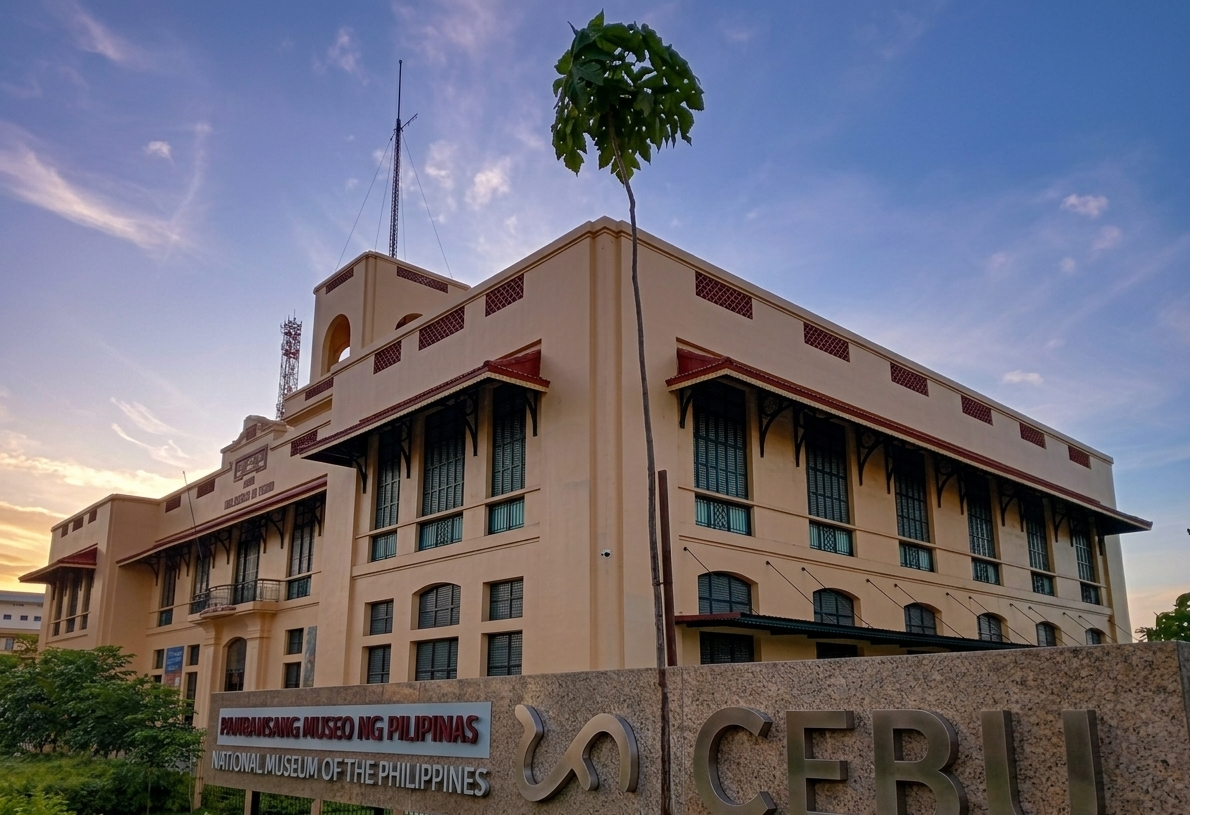
As you step off the ferry at the Cebu Port, the first thing that greets you is the majestic, white-washed facade of the National Museum of the Philippines – Cebu. Housed in the century-old Aduana (Customs House) building, this site has been fully reimagined as of 2026 into a high-tech repository of Visayan heritage. It is the "First-to-Go" spot for travelers who want to understand the island’s DNA before exploring its streets, featuring five major galleries that chronicle everything from maritime trade to colonial art. The building itself, a 1910 masterpiece by American architect William Parsons, has survived wars and earthquakes, standing today as a resilient monument to the "City Beautiful" movement in the Philippines.
A Gallery of Sunken Treasures
The museum’s most popular exhibit in 2026 is the Maritime Gallery, which displays artifacts recovered from shipwrecks that once navigated the treacherous Visayan channels. As of late April, the gallery has introduced new augmented reality (AR) features that allow visitors to see 3D reconstructions of ancient trade vessels right on their smartphones. This week, students and tourists are marveling at the collection of 100-year-old cedar chests and ceramics that tell the story of Cebu as a global trade frontier. It is an immersive way to connect with the past that feels modern and accessible for the 2026 digital traveler.
Architectural Grandeur of the Aduana
Walking through the museum is as much about the building as it is about the exhibits, with its massive coral stone-inspired walls and grand staircases. As of April 2026, the facility remains one of the best-preserved examples of early 20th-century American colonial architecture in the country. This month, the "Malacañan sa Sugbo" section—the former presidential residence within the building—has been a major draw for those interested in the intersection of local and national political history. The high ceilings and natural ventilation provide a cool, dignified sanctuary that offers a stark contrast to the busy port activity just outside the gates.
The Heart of the Heritage District
The museum serves as the anchor for the newly revitalized "Cebu Port and Heritage District," which connects the waterfront to the historic Plaza Independencia. As of April 25, 2026, the National Museum has become the starting point for the city’s official "Heritage Walk" tours, which have seen a surge in popularity among international groups. Recent reports indicate that the museum’s presence has sparked a cultural renaissance in the area, leading to the preservation of nearby landmarks like Fort San Pedro. For the 2026 traveler, a visit here is the essential first chapter in their Cebuano story, grounding their journey in centuries of resilient history.
