Cebu’s restaurant scene is undergoing a radical transformation in April 2026. As global food supply chains face continued pressure, local chefs are turning inward, creating a new "Cebuano Terroir" that prioritizes backyard produce and provincial heritage flavors.
The headline for the dining sector this month is "Resilience on the Plate." With inflation impacting the price of imported dairy and meats, restaurants in Cebu IT Park and Crossroads are increasingly collaborating with local farmers. This shift has birthed a new wave of "Modern Cebuano" cuisine, where traditional ingredients like adlaw (Job's Tears) and kamansi (breadfruit) are being reimagined for fine dining. By shortening the supply chain, these establishments are not only stabilizing their menu prices but also creating a unique culinary identity that appeals to "conscious" food tourists seeking authentic provincial experiences.
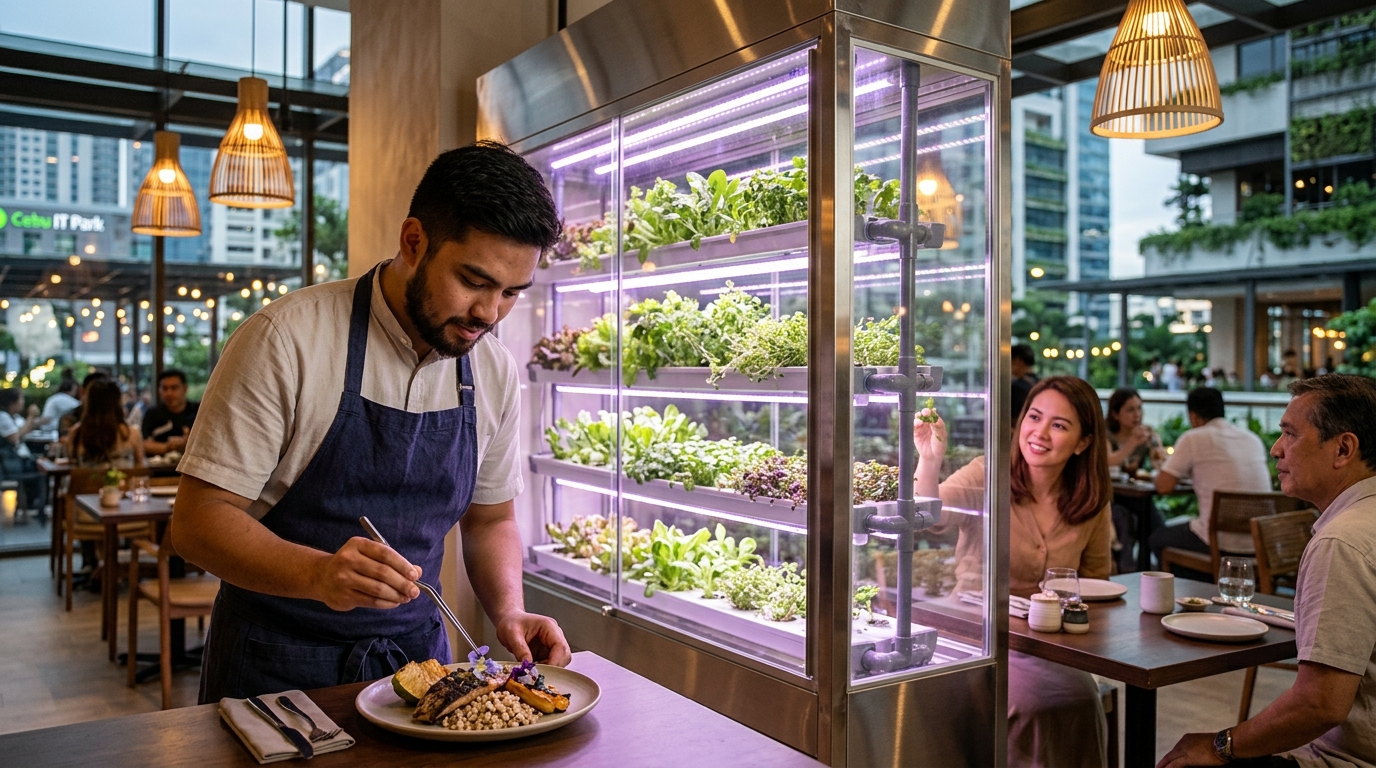
This movement is also reshaping the physical layout of the city's dining hubs. New "Eco-Dining" complexes are being designed with integrated hydroponic systems, allowing diners to see their greens being harvested in real-time. According to the Cebu Chamber of Commerce, this integration of agriculture into urban commercial space has seen a 20% growth in the first quarter of 2026. For the restaurant owner, sustainability is no longer a marketing buzzword; it is a fundamental survival strategy. As the "Farm-to-Fork" model scales, Cebu is positioning itself as the Philippines' leader in sustainable gastronomic tourism.