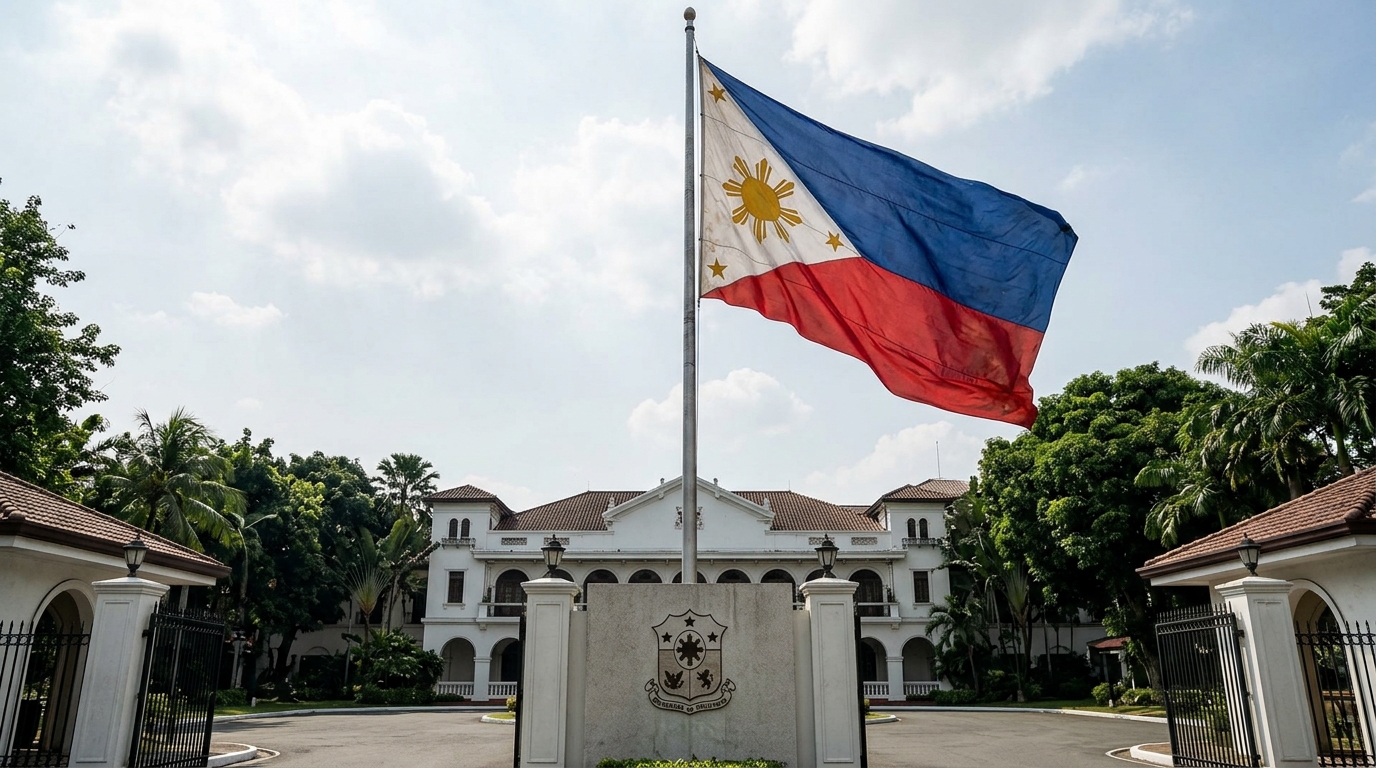
The Manila Times recently underscored a critical point for national discourse: the notion that it is "wrong to equate Gibo with the Philippines." This statement, while brief, carries profound implications for how the nation perceives itself and its leadership. It serves as a reminder that no single individual, regardless of their prominence or position, can embody the entirety of the Philippines, its diverse populace, rich history, and complex aspirations.
Dismantling Personality Cults to Restore Collective Agency
This perspective is vital for a healthy democratic society, emphasizing that the nation's identity is a collective tapestry woven by millions of Filipinos, not dictated by one person. The argument implicitly cautions against the pitfalls of personality politics, where the fate and identity of a nation become overly intertwined with a single figure. Such a dynamic can inadvertently diminish the collective agency of its citizens and obscure the broader democratic processes that should define a country's governance and direction. The Philippines, like any vibrant democracy, thrives on the participation and representation of its varied voices and communities.
Anchoring Expatriate Pride Beyond the Horizons of Partisan Politics
For Filipinos, whether residing in the archipelago or working as OFWs across the globe, this distinction is paramount. National identity is a powerful unifying force, providing a sense of belonging and shared purpose. When this identity is mistakenly narrowed to an individual, it risks alienating those who may not align with that figure, potentially fracturing national unity. For overseas Filipinos, who often serve as de facto ambassadors for their homeland, understanding that the Philippines is a diverse nation of resilient people, rather than just its current leaders, is crucial for preserving their sense of collective pride and representation. It reinforces the idea that their contributions, remittances, and cultural presence abroad are extensions of a collective Filipino spirit, not merely tied to the actions of a single politician.
Shifting Public Focus From Individual Personalities to Long-Term Policies
It is essential for Filipinos to foster a critical understanding of national representation. The Philippines is defined by its democratic institutions, its constitution, its rich cultural heritage, and, most importantly, its 110 million people. Citizens should look beyond individual personalities and instead focus on policies, principles, and the collective welfare. Engaging in informed discourse that separates national identity from individual political figures strengthens the democratic fabric and ensures that the nation's long-term interests and values are upheld, regardless of who holds office. This perspective empowers every Filipino to see themselves as an integral part of the nation's identity and future.