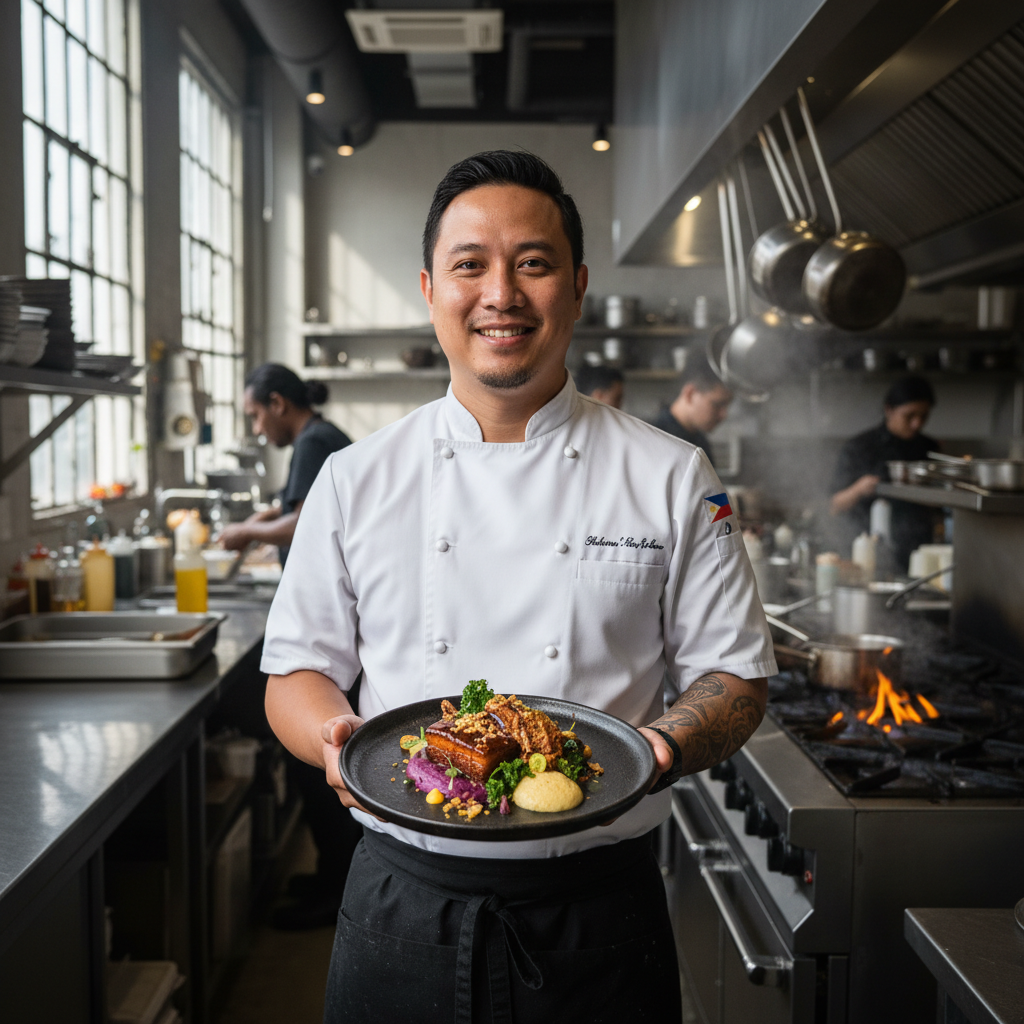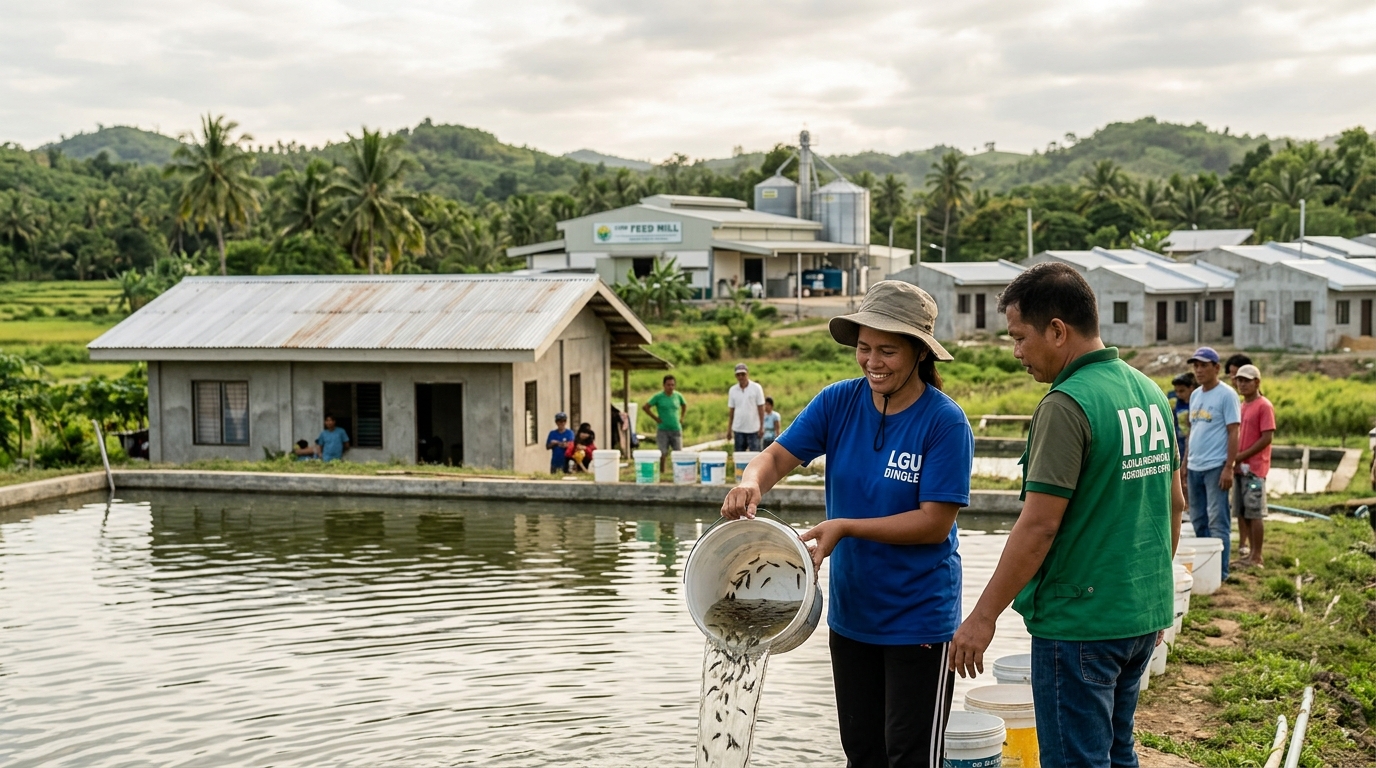
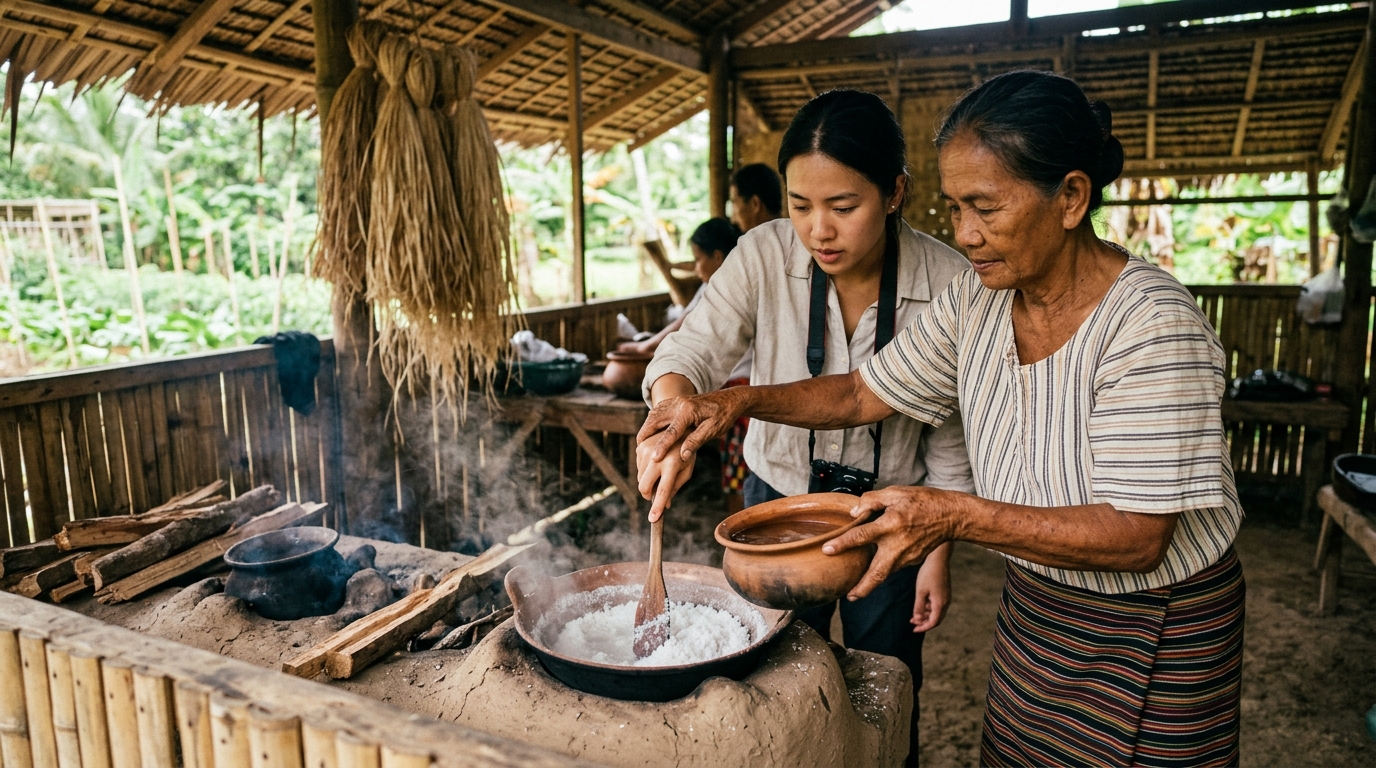
Bohol is rewriting the rules of the traditional "sightseeing" vacation this May by putting its local communities at the center of the frame. As of May 11, 2026, the province is celebrating the success of its Community-Based Tourism (CBT) initiative, which has moved beyond the Chocolate Hills to offer travelers hands-on participation in ancestral traditions. Led by the Tourism Promotions Board and Aboitiz InfraCapital, the program allows visitors to harvest organic ingredients at Bellevue Farm, learn the ancient art of asin tibuok (rare sea salt) in Alburquerque, and craft traditional tablea chocolate in Lasang Farm. This is tourism as a "relationship," not just a movement, turning the island into a living laboratory of culture where the traveler’s presence directly funds the preservation of heritage.
Harvesting the Heritage Table
The core of the 2026 CBT movement is the integration of "farm-to-plate" experiences that turn guests into temporary members of the village. In towns like Tubigon, visitors are no longer just buying raffia bags; they are sitting with weavers to understand the lifecycle of the fiber and the daily rhythms of the craft. Michelin-recognized chefs and global influencers have flocked to these sites this month, documenting how "slow food" and ancestral crafts are providing a resilient economic base for rural families. This hands-on approach ensures that the wealth generated by the tourism boom is shared equitably, empowering communities to take pride in and safeguard the traditions that make Bohol unique.
Gateways to Meaningful Travel
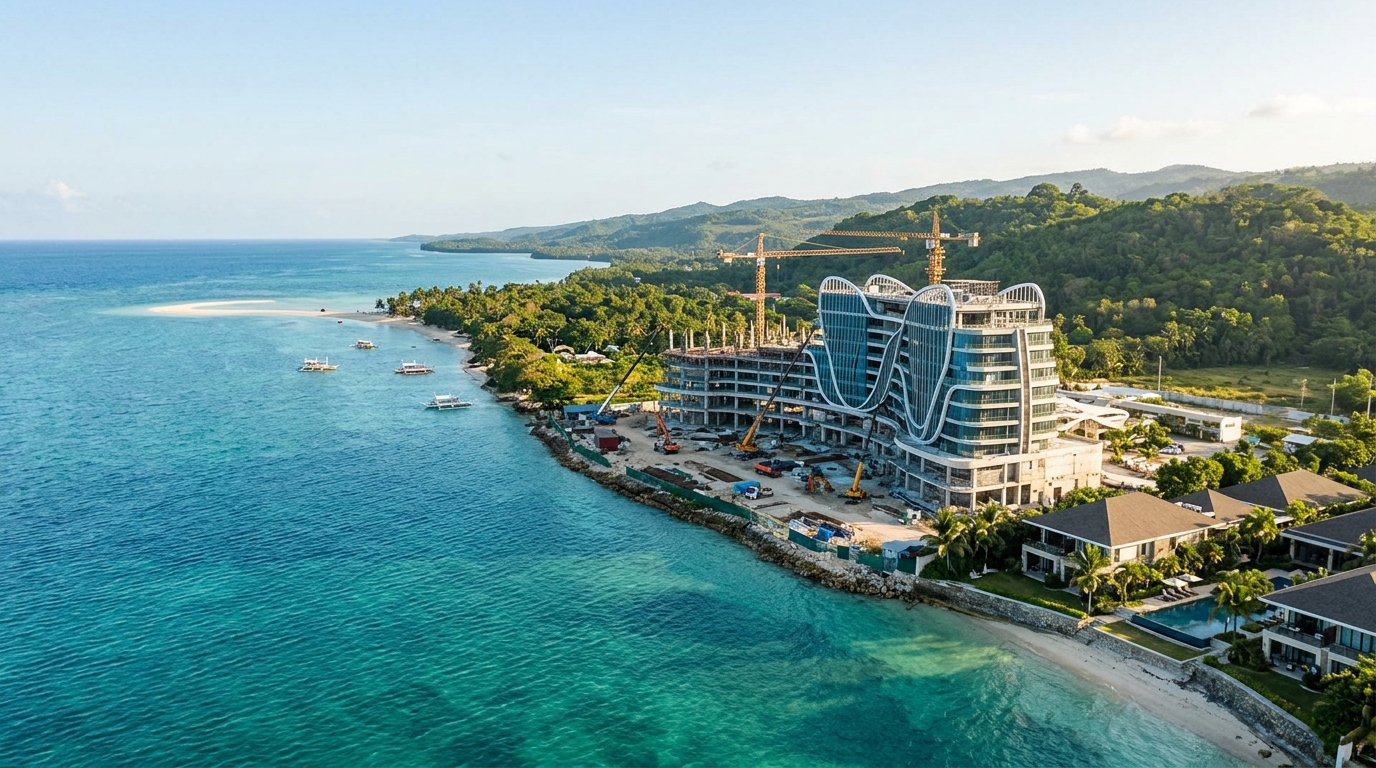
Underpinning this cultural surge is the Bohol-Panglao International Airport, which serves as the primary "pathway" for these high-value, low-impact travelers. Airport officials emphasized on May 11, 2026, that their goal is to see tourism not just as a statistic, but as a bridge between world-class infrastructure and grassroots pride. By facilitating direct access for travelers seeking authentic "geopark experiences," the airport is helping to de-congest traditional tourist traps and push growth into the island’s interior. This strategy aligns with the province’s 2026 Smart System, which uses digital tools to help visitors navigate the island’s diverse community offerings while maintaining environmental balance.
The Stewardship of the Geopark
As a UNESCO Global Geopark, Bohol is using this May window to recruit "volunteer stewards" among its student population and international guests. These volunteers work alongside community leaders to promote sustainable development that protects both the land and the sea for future generations. This volunteerism is becoming a staple of the 2026 Boholano lifestyle, blending education with travel to create a more profound impact. For the modern traveler, a trip to Bohol is no longer just about the photo; it is about leaving a legacy of conservation and cultural respect in one of the world’s most unique geological landscapes.