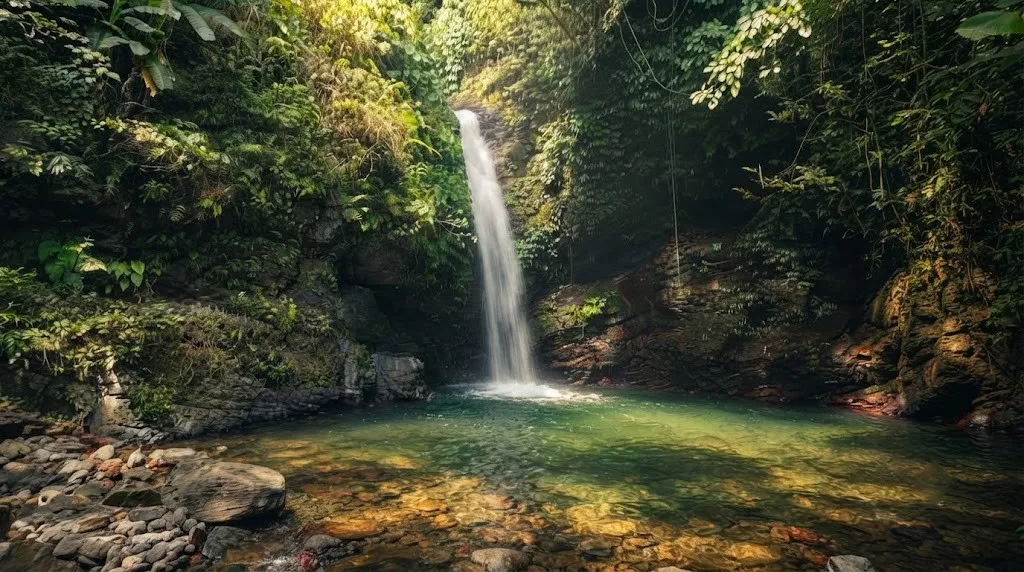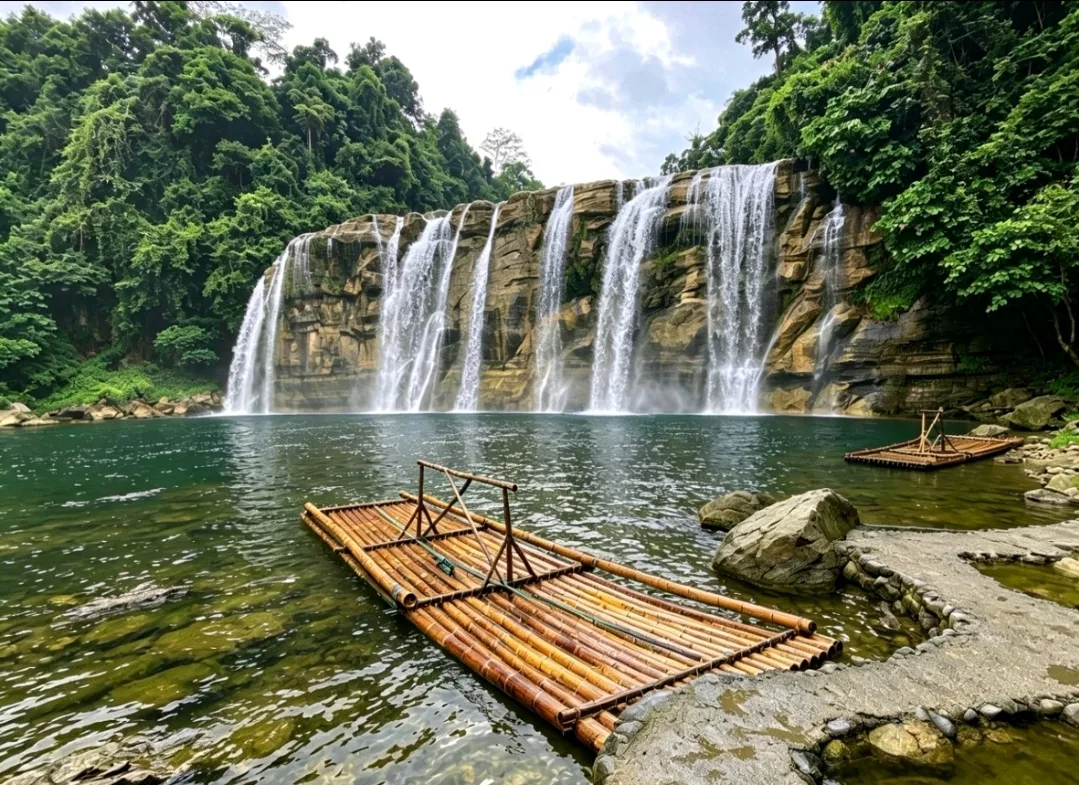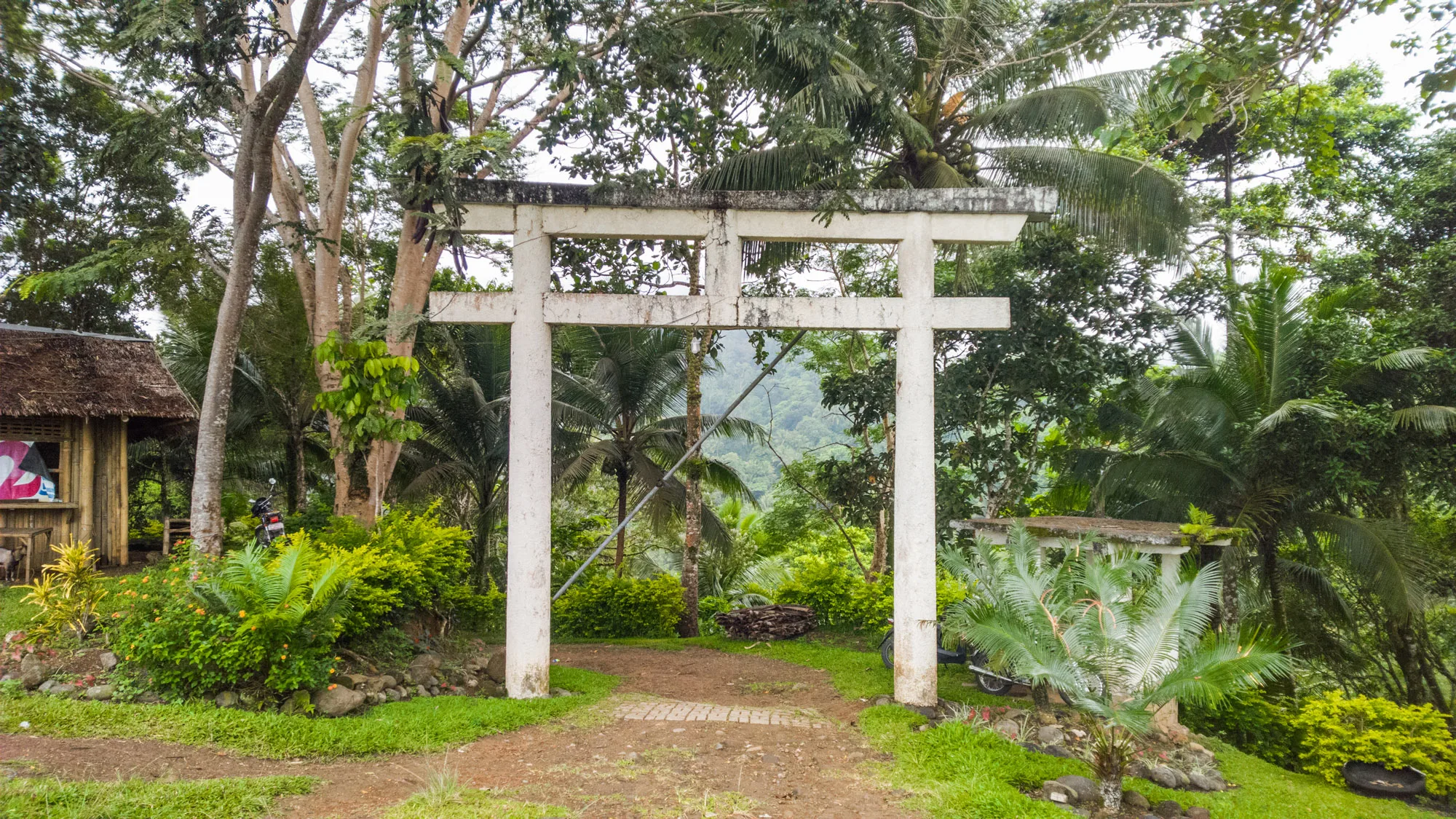
Nestled in the cool highlands of Valencia, Negros Oriental, the Japanese Shrine stands as a quiet reminder of the province's historical past while offering visitors a peaceful natural setting. Believed to have been built during the Japanese occupation of the Philippines in World War II, the shrine has become a point of interest for travelers who wish to learn about history while appreciating the scenic beauty of the surrounding mountains and forests. Its unique combination of cultural heritage and natural landscapes has made it an important destination for historical nature tourism in Negros Oriental.
Promoting Historical Nature Tourism
Historical nature tourism combines the appreciation of significant historical sites with the enjoyment of natural environments. The Japanese Shrine provides visitors with an opportunity to reflect on the events of World War II while exploring the lush forests and cool climate of Valencia. This combination of history and nature creates a meaningful travel experience that appeals to students, history enthusiasts, researchers, photographers, and eco-tourists seeking destinations that offer both educational and recreational value.
Encouraging Cultural and Historical Appreciation
The Japanese Shrine serves as a valuable reminder of the province's wartime history and the importance of preserving cultural heritage. Visitors who explore the site gain a deeper understanding of the historical events that shaped the local community and the nation. By maintaining and promoting historical landmarks such as the shrine, Negros Oriental encourages greater appreciation of its cultural identity while helping future generations learn from the past.
Supporting Local Tourism and the Economy
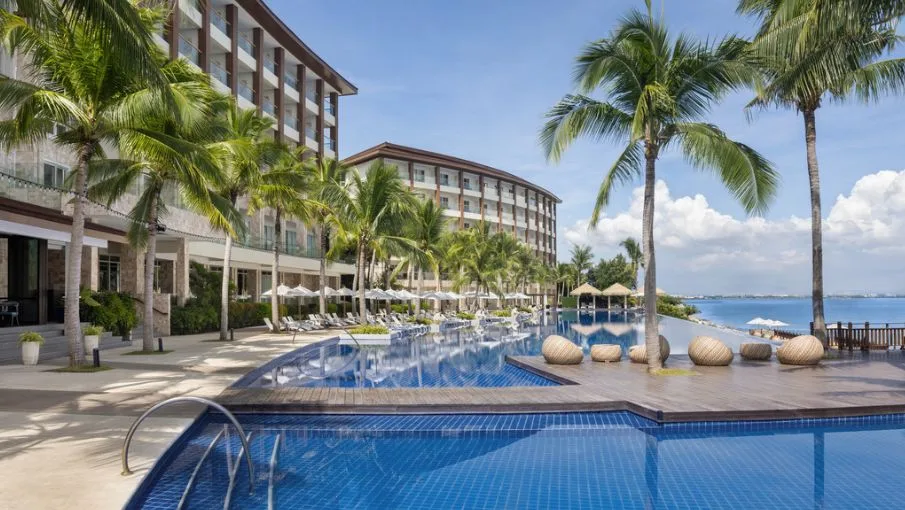
The growing interest in the Japanese Shrine contributes to tourism development in Valencia and nearby communities. Visitors often combine their trip to the shrine with visits to nearby attractions such as Pulangbato Falls, Red Rock Hot Spring, and Forest Camp Mountain Resort. This encourages longer stays and increased spending on local transportation, restaurants, accommodations, souvenir shops, and other tourism-related businesses, generating economic opportunities for local residents.