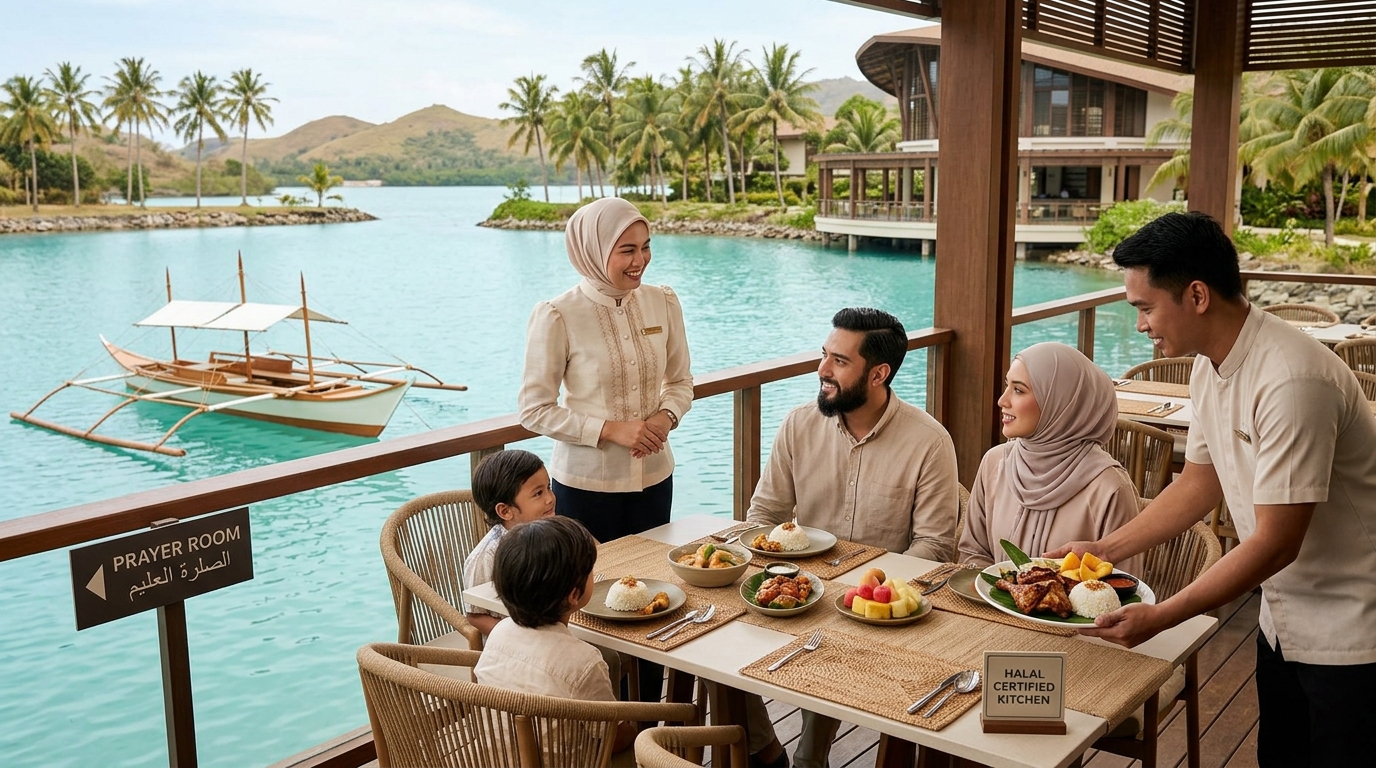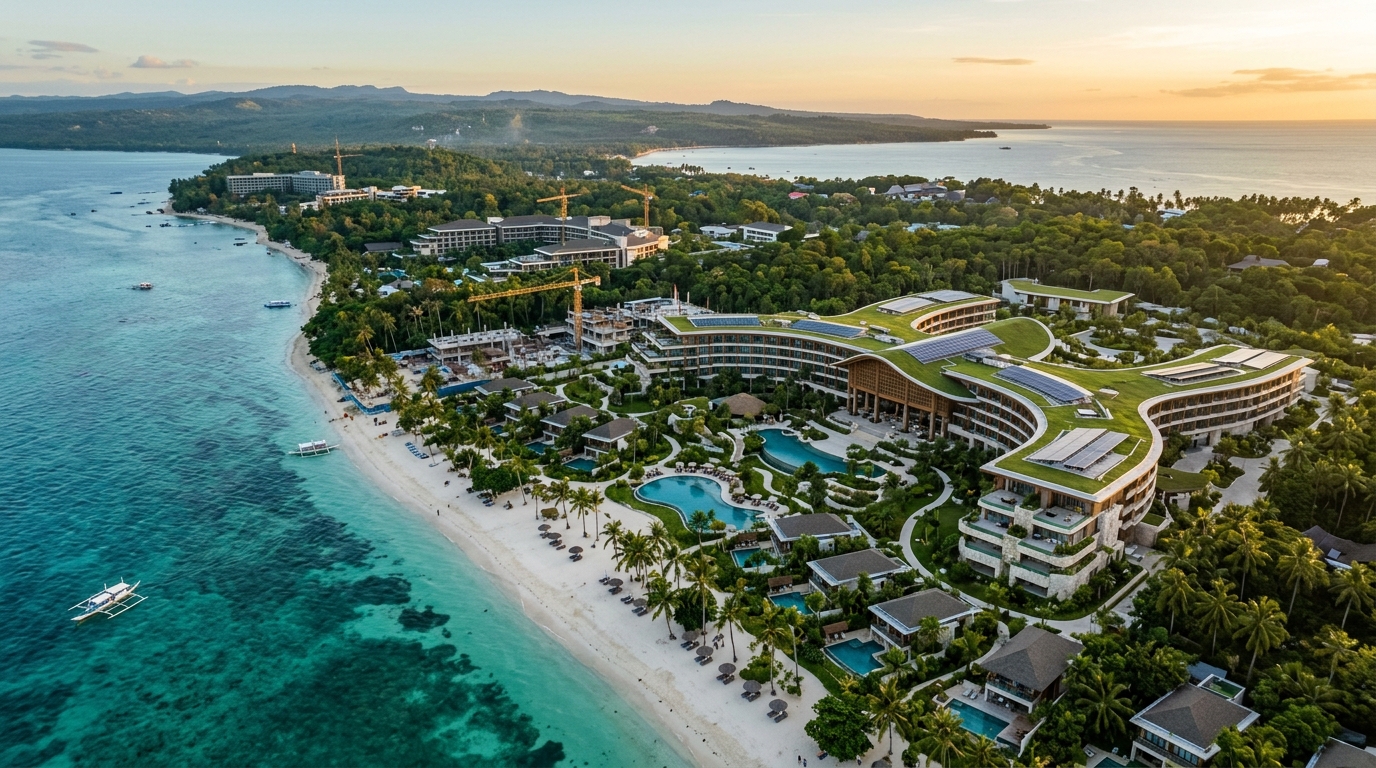
As of April 2026, the hospitality landscape of Panglao Island is undergoing its most significant expansion in history. Industry reports indicate that 16 new hotel projects are currently in the pipeline, set to add a combined 4,401 rooms to the province’s inventory. This surge includes major global entries such as the JW Marriott Panglao Resort & Spa and the Radisson Hotel Group’s Regency Grand Paradise, both designed to capture the ultra-luxury market.
The Luxury Maturation Narrative
For Bohol’s tourism sector, the story is one of moving from "Boutique" to "Global Elite." The arrival of international hotel chains brings standardized luxury and global branding, which act as a magnet for high-spending long-haul travelers from Europe and North America. These developments are not just providing beds; they are creating self-contained destinations with world-class spas, convention centers, and curated eco-tours. For the 2026 investor, this influx of global capital signals a long-term confidence in Bohol as a top-tier Southeast Asian destination.
Eco-Focused Architecture and Design
This movement is driving new standards for "Green Hospitality" in the province. Developers are increasingly utilizing Filipino-inspired, organic architecture that complements the island's natural limestone and marine environment. New resorts are integrating advanced water recycling systems and solar power arrays to align with the provincial government’s strict sustainability codes. This "Amuma" (nurturing) philosophy ensures that the luxury expansion does not compromise the "UNESCO Global Geopark" status that makes Bohol unique.
Employment Density and Local Integration
Local economic analysts highlight the massive job creation potential of these 4,400 new rooms, which are expected to generate over 10,000 direct and indirect positions for Boholanos. Training programs are being fast-tracked to ensure the local workforce can meet the high service standards of five-star international brands. Furthermore, these resorts are entering into "Sourcing Covenants" to prioritize local farmers and fishers for their culinary supply chains. By late 2026, the hospitality sector is expected to be the single largest contributor to the province’s private-sector GDP.