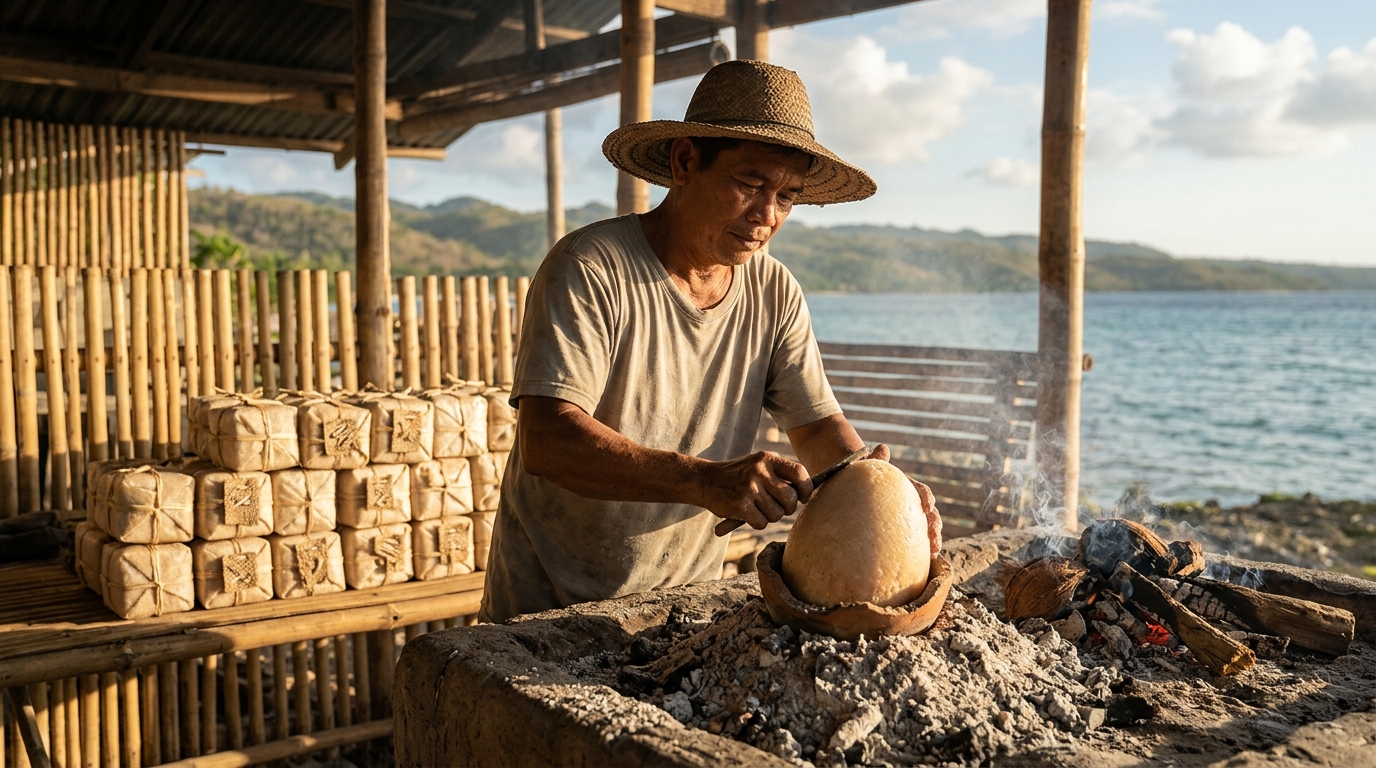
In April 2026, Bohol has intensified its "Intangible Cultural Property" initiatives to protect its most famous artisanal export, the Asin Tibuok. This smoky, labor-intensive salt is being framed as a core pillar of the province's sustainable gastronomy strategy, helping Bohol maintain its status as a high-value UNESCO Global Geopark destination.
The Culinary Sovereignty Narrative
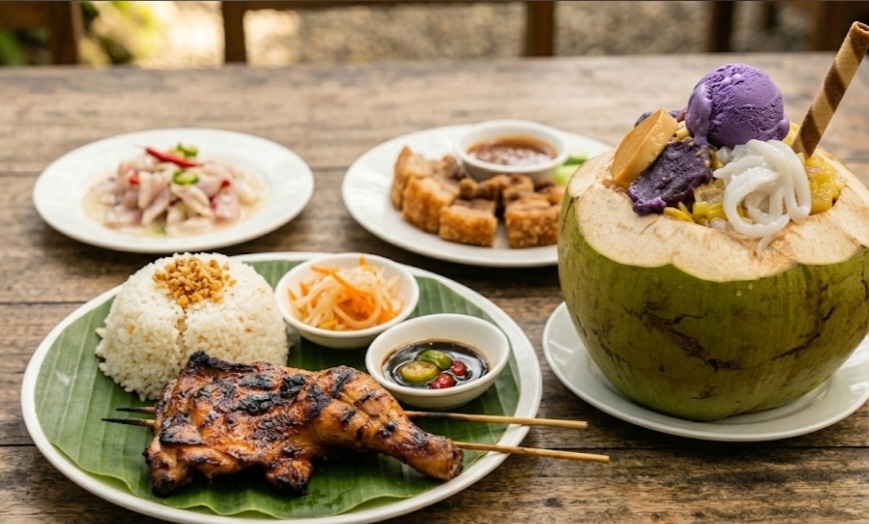
For Bohol’s tourism sector, the story is about the defense of authenticity against global homogenization. By classifying traditional food production as a cultural asset, the province is attracting a more sophisticated demographic of "Culinary Pilgrims" who are willing to pay a premium for traceability. This effort is supported by the national government’s new ₱3-billion loan facility for exporters, which allows traditional salt-makers to scale their production without compromising ancestral techniques. For the 2026 visitor, a trip to Bohol is an opportunity to witness one of the world's rarest food traditions in its native setting.
Economic Growth and Market Diversification
This movement is driving record growth in foreign arrivals, with the province reporting a 14.75% surge in international visitors early this year. The diversification into European and Australian markets is a direct result of Bohol’s participation in international travel fairs, where its "Sustainable Geopark" branding has proven highly effective. Local officials are also preparing for charter flights from Japan starting in May, specifically targeting high-spending tourists interested in heritage and gastronomy. By late 2026, these high-value circuits are expected to drive the province's tourism revenue to a new all-time high.