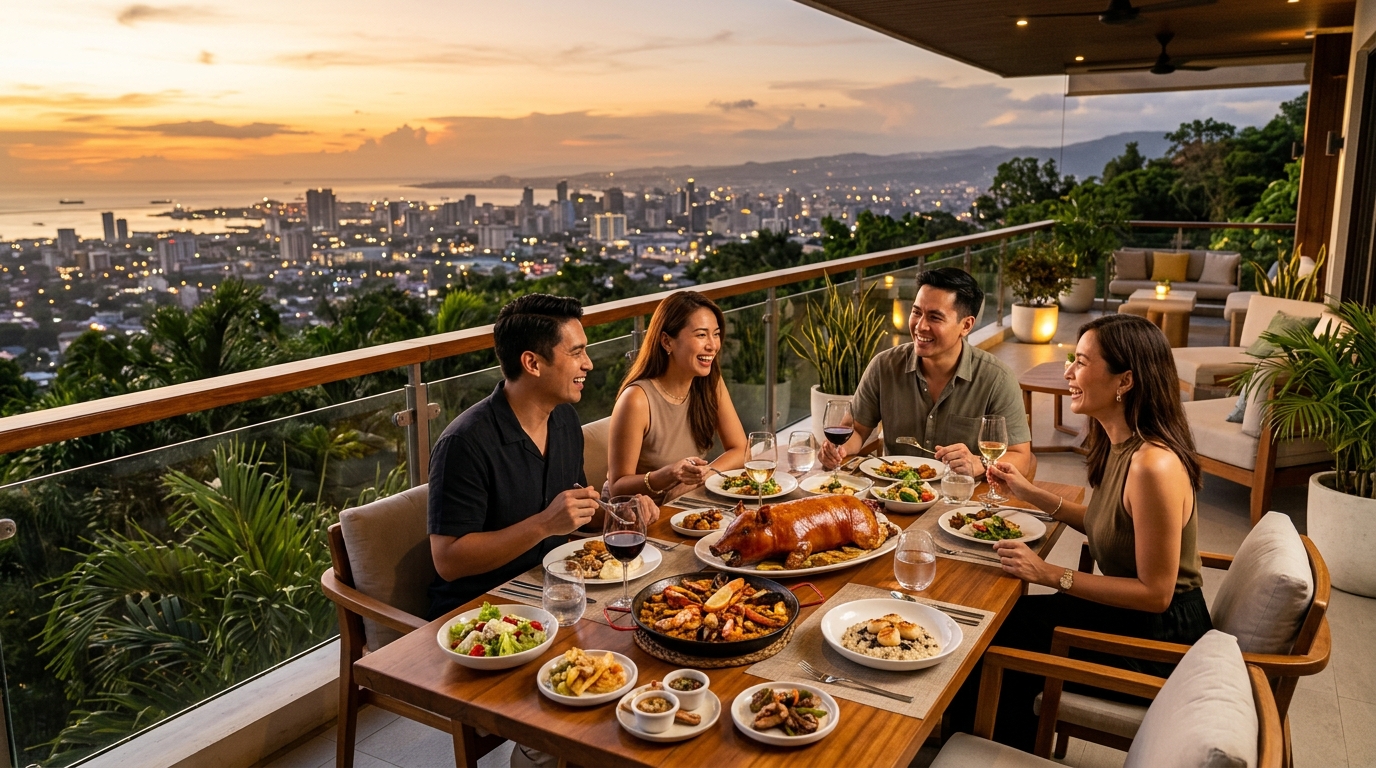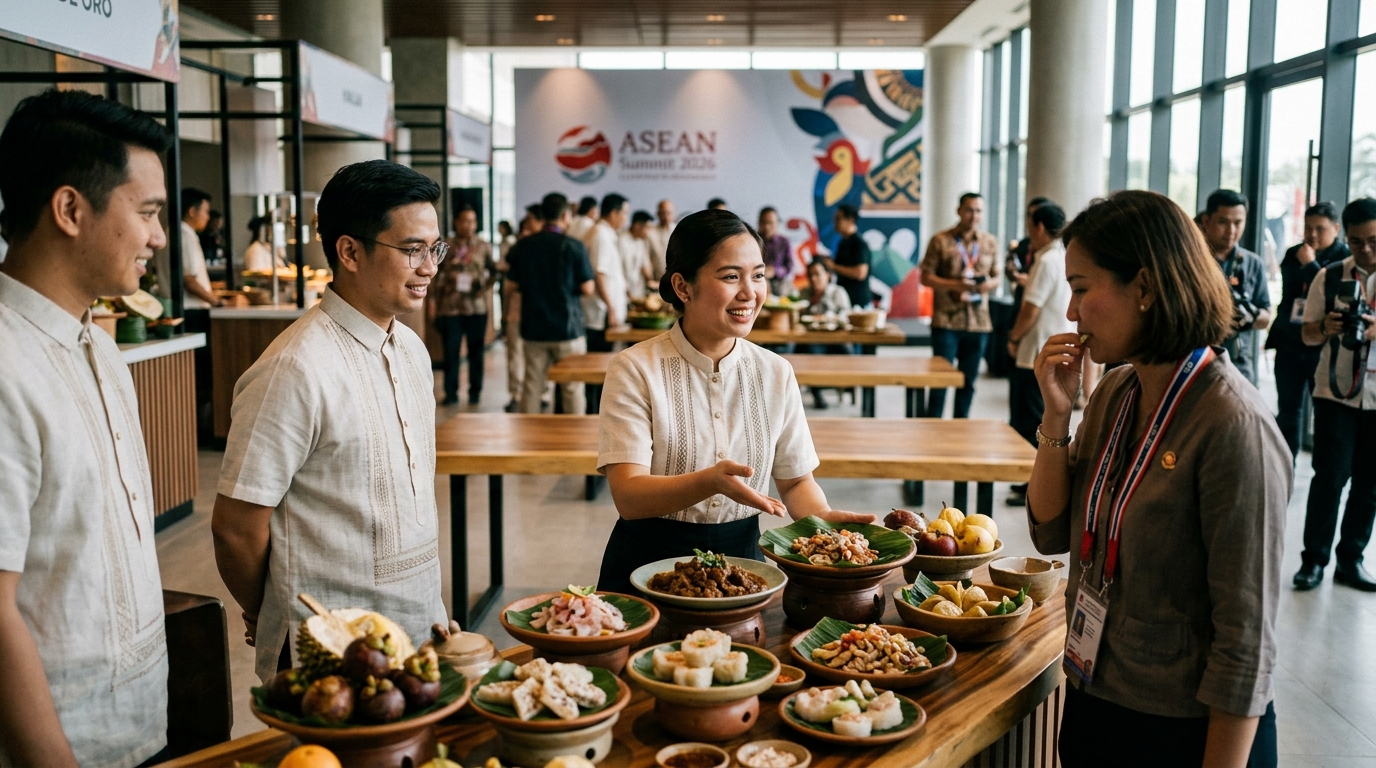
Cagayan de Oro is currently pivoting away from its reputation as a mere transit point to become a premier stage for international diplomacy through its distinct culinary heritage. As the city prepares to welcome delegates for the 2026 ASEAN Summit, the spotlight has shifted toward using local gastronomy as a tool for regional connection. Travelers and food enthusiasts across Northern Mindanao are viewing this high-profile gathering as a golden opportunity to showcase the intersection of indigenous ingredients and modern hospitality. For the 2026 visitor, this alignment of politics and plates suggests a city ready to prove that its "Golden Friendship" is best expressed through a shared, world-class dining experience.
The Alchemy of Shared Ingredients
Local travelers are identifying a profound "culinary harmony" between Cagayan de Oro’s heritage dishes and the traditional staples of nations like Indonesia, Malaysia, and Thailand. A standout example being discussed this week is the Lanao and CDO version of Beef Rendang, which distinguishes itself through the use of palapa—a potent local spice paste made from native scallions, ginger, and chili. This native infusion is being hailed by culinary observers as an "elevated" take on a regional classic, offering a sharp, local flair that remains recognizable to international delegates. By showcasing these shared tastes, the city is positioning its food as a universal language that fosters a deeper sense of regional belonging and mutual appreciation.
Seafood as a Cultural Identifier
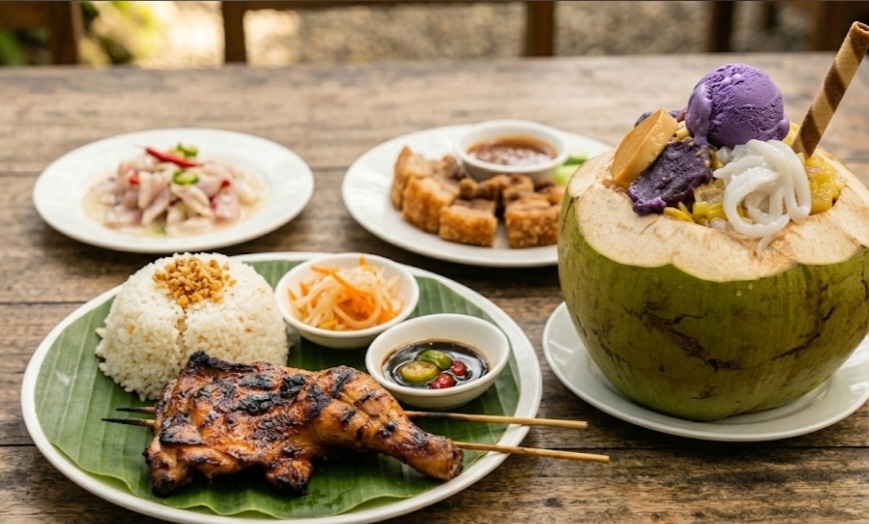
The coastal identity of Cagayan de Oro is being projected through the lens of its famous Kinilaw, which experts are currently likening to the ceviche-style delicacies popular across Southeast Asia. This May, the summit serves as a platform to explain the nuances of Northern Mindanao’s preparation methods, specifically the use of local souring agents that provide a clean, vibrant finish. Local advocates believe that highlighting these similarities helps international visitors see the Philippines not as an outlier, but as a central player in the rich tapestry of Asian maritime culture. This effort to frame local seafood as a world-class offering is expected to drive long-term interest in the city’s coastal tourism and sustainable fishing industries.
Economic Vitality Through Cultural Exposure
Beyond the symbolic value of the summit, there is a tangible push to convert this global exposure into sustained economic momentum for local MSMEs and heritage cooks. The presence of international media and dignitaries provides a rare "pressure test" for the city's hospitality sector, encouraging a shift toward more inclusive and globally-standardized dining experiences. Observers note that the success of items like Dodol and Suman with Mangga in bridging cross-cultural gaps could lead to increased export opportunities for Northern Mindanao’s agricultural products. This transformation ensures that the legacy of the 2026 summit remains rooted in the pockets of local farmers and entrepreneurs, securing a prosperous future for the city's "Golden Friendship" spirit.