



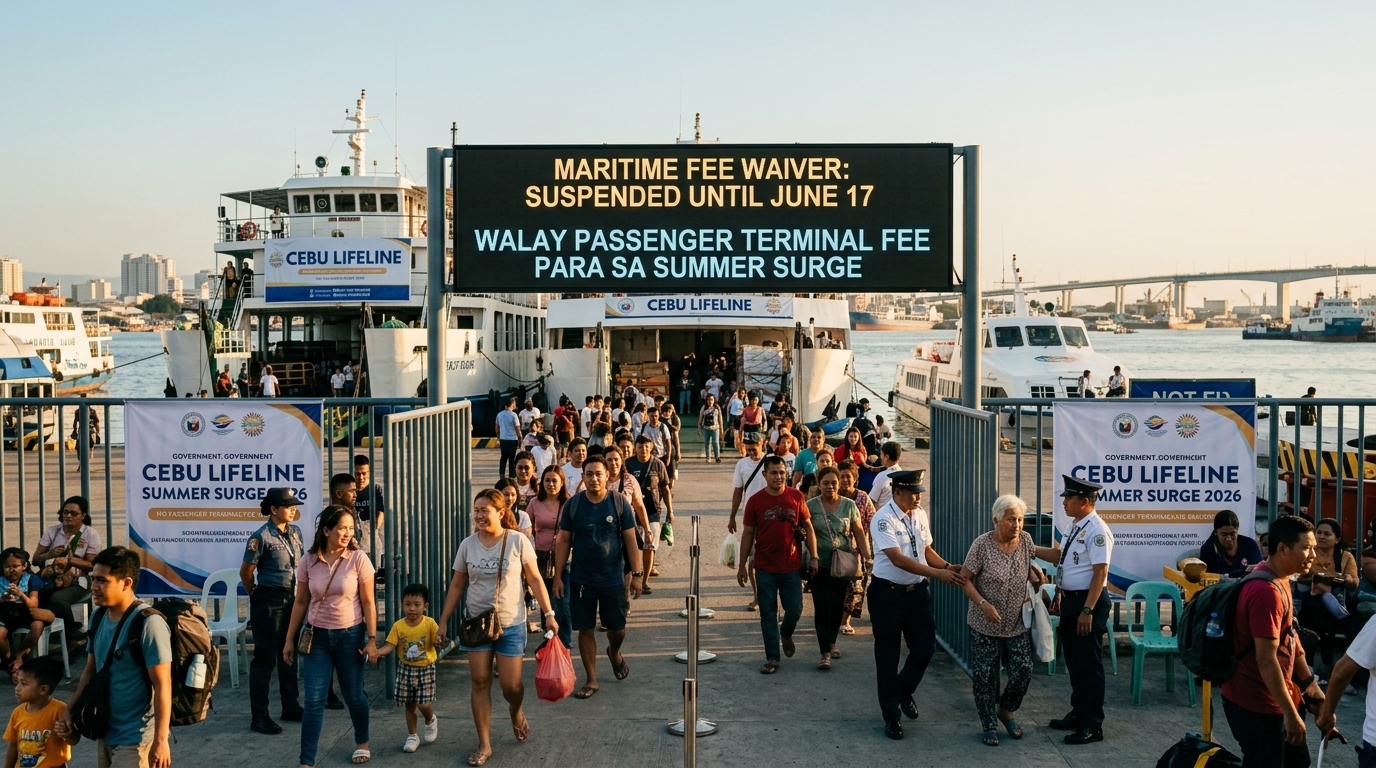
Over the weekend, amid aggressive economic intervention, Cebu has launched a two-month "lifeline" for the transport and tourism sectors. This April 18, the province moved to essentially subsidize the movement of people and goods, acknowledging that the high cost of energy is the single biggest threat to the 2026 summer surge.
Suspending the "Cost of Movement"
For the 2026 traveler, the story is about the sudden removal of "friction costs" at Cebu’s maritime gateways. Starting April 18, the CPA has suspended all passenger terminal fees and waived fees for various harbor permits to cushion the blow of skyrocketing fuel prices. This intervention, which will run until June 17, 2026, aims to prevent a total collapse of domestic travel demand during the peak summer season. By absorbing these costs, the agency is ensuring that the "inter-island" tourism that Cebu relies on remains accessible to the average Filipino family, even as shipping lines grapple with volatile operating expenses.
Barangay-Level Fuel Resilience
This movement is driving a decentralized effort to maintain tourism infrastructure. On April 17 and 18, the Cebu City government distributed fleet cards worth ₱500,000 each to 80 barangays to power emergency response and garbage collection vehicles. This "Lifeline" ensures that the city remains clean and safe for the thousands of international visitors currently arriving for the summer peak. Without this subsidy, many local governments warned that frontline services—which are critical for a positive tourism experience—would have been paralyzed by the fuel emergency.
The "Austerity" Trade-off
Logistics experts emphasize that this relief package comes with a strict "Austerity" mandate for the government. To fund these subsidies and fee waivers, agencies like the CPA are adopting four-day workweeks and cutting non-essential travel to manage their own energy consumption. This "Lean and Mean" approach to governance is becoming the hallmark of Cebu’s 2026 strategy, where every saved kilowatt is redirected toward keeping the transport and tourism sectors afloat. As the city prepares for further price hikes, these temporary relief measures are being closely monitored for their impact on regional trade flows and tourist sentiment.
