DAVAO CITY — As the city looks forward to a landmark year for tourism, the impending completion of the Ulas Viaduct is set to provide a major boost. The project, now 78.6% complete, promises to significantly improve access to Davao's premier southern tourist destinations, creating a seamless link between the city's growing coastal road network and the scenic highland routes. With a 15% increase in visitor arrivals already recorded in early 2026, the new infrastructure is poised to serve as a key driver for the region's sustained economic growth.
Unlocking Southern Destinations with Seamless Connectivity
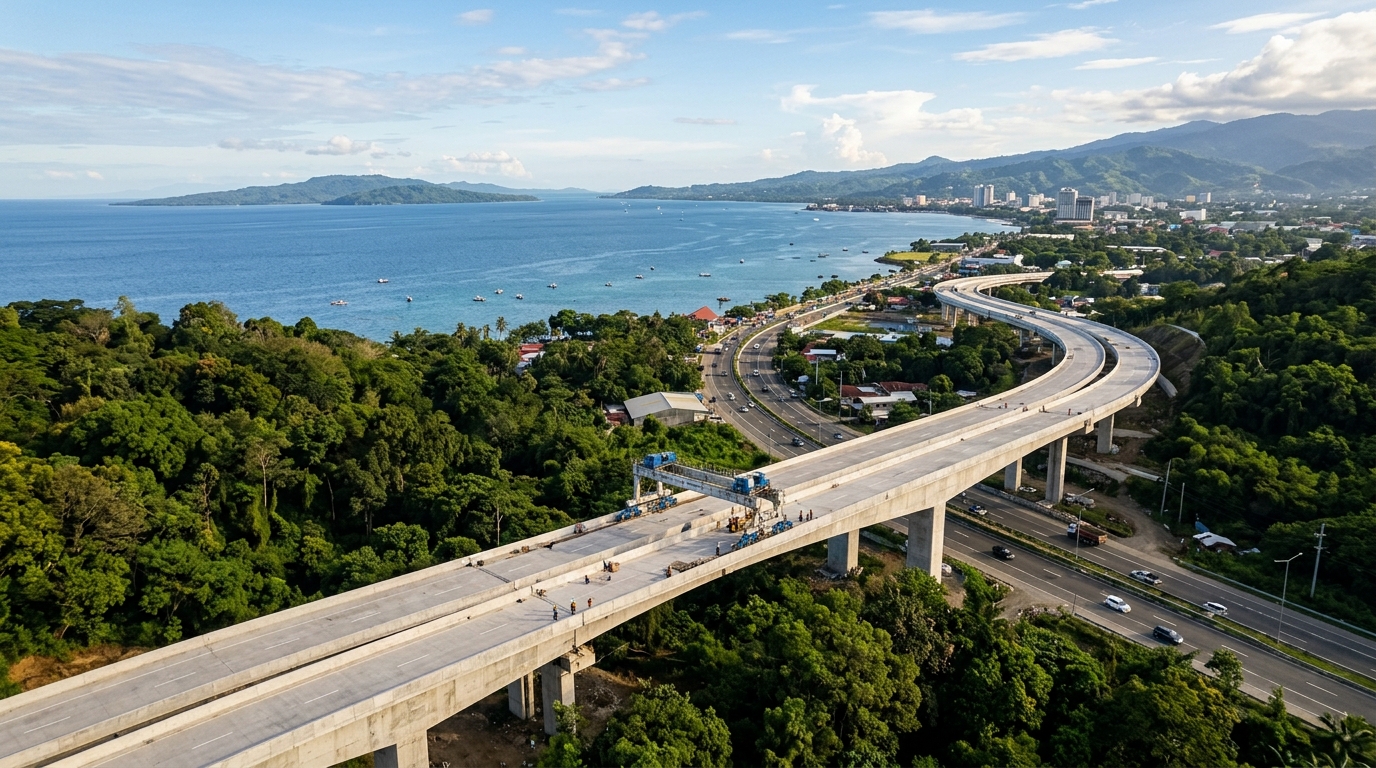
Currently, the 862.83-meter Ulas Viaduct is steadily advancing toward its scheduled 2026 completion. Once operational, it will revolutionize travel by connecting the Davao-Bukidnon Highway directly to the Davao City Coastal Road.
For tourists, this new route offers a game-changing alternative, bypassing congested city streets to provide swift, direct access to popular leisure spots. The enhanced connectivity will drastically cut travel time to coastal destinations like the Samal Island ferry terminals and the beachfront resorts along the Talomo Bay area. It will also streamline journeys to nature parks and highland retreats along the Davao-Bukidnon corridor. By making these attractions more accessible, the viaduct is expected to encourage more day trips and overnight stays, benefiting local tour operators, resort owners, and hospitality businesses.
A Scenic Gateway to Nature and Leisure
The Ulas Viaduct is more than just a thoroughfare; it's an attraction in itself. Its elevated design will offer travelers panoramic views of the Davao Gulf and the city skyline, transforming a simple commute into a scenic journey that enhances the overall tourist experience. The viaduct's integration with the coastal road also unlocks new possibilities for eco-tourism. Visitors will have easier access to the city's emerging community-based tourism sites, which offer authentic cultural experiences and sustainable adventures in the city's outskirts.
This improved access is anticipated to drive a significant increase in tourism revenue for the southern corridors, with similar coastal road projects in other provinces having already boosted local tourism revenue by an estimated 20-30%.
Aligning with Davao's Ambitious 2026 Tourism Goals
The viaduct's completion is perfectly timed to support the city's ambitious tourism targets for 2026. The Philippine government forecasts a total of 6.7 million foreign visitors this year, and Davao is expected to play a central role in achieving this goal. The city's tourism sector is already showing remarkable momentum. Data indicates a 15% increase in visitor arrivals in the first two months of 2026 compared to the same period in 2025, driven by a robust lineup of festivals and events.
With its improved accessibility and scenic value, the Ulas Viaduct is set to be a cornerstone of the city's strategy to showcase its unique blend of urban excitement and natural wonders. By smoothing the path to its many attractions, this vital infrastructure project is not just building a road—it's paving the way for Davao's future as a premier travel destination.