



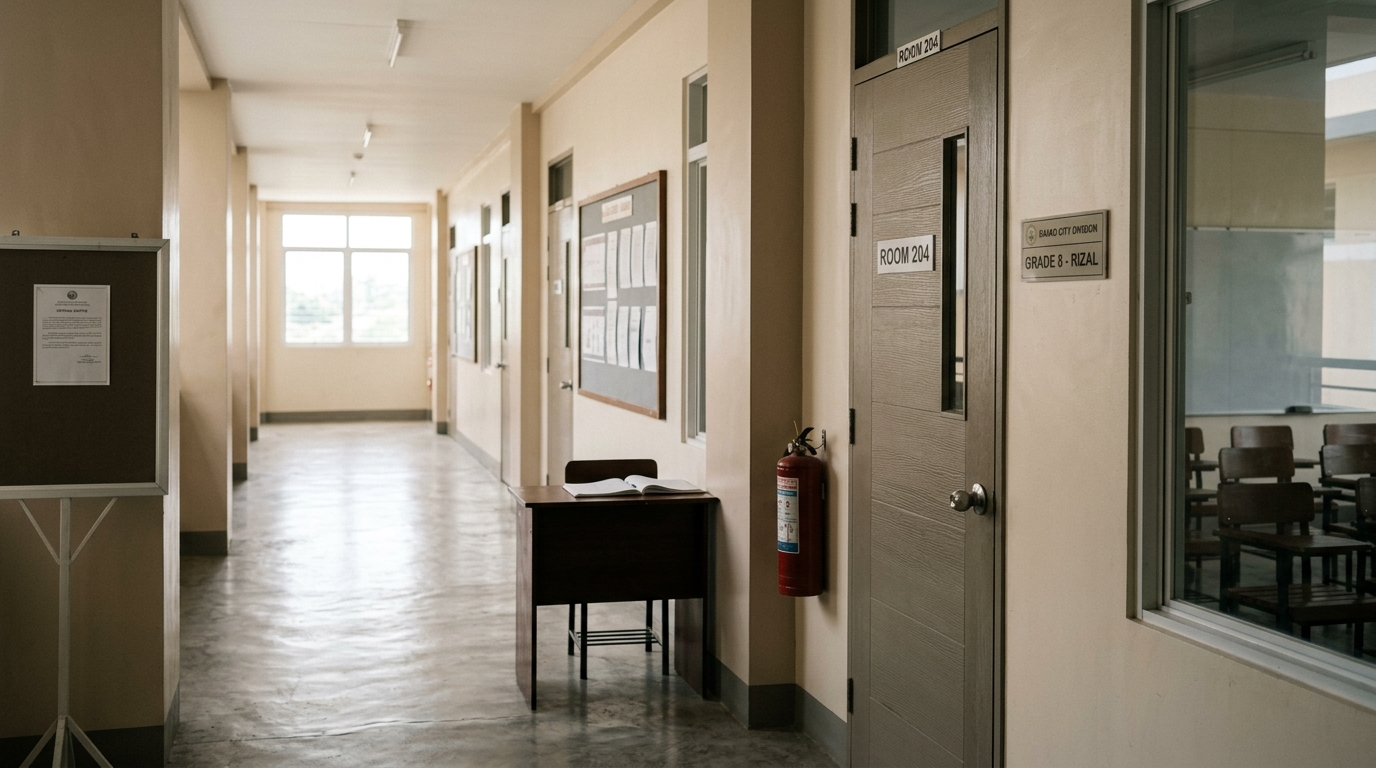
Davao — In the wake of recent tragic violence affecting schools, Davao City’s academic and community leaders have joined forces with Education Secretary Sonny Angara to demand a massive overhaul of campus security. The alarming June 2026 school shooting in Tacloban has served as a grim catalyst, sparking a regional movement in Mindanao that calls for immediate action to protect students and educators from physical and digital threats. With local schools and national agencies aligning their strategies, the message from Davao is clear: the safety of the Philippine education system must become a top-priority national concern, rather than a fragmented effort handled by individual institutions.
A Unified Front Against Campus Violence
During a recent consultative dialogue, leaders from Davao’s diverse educational institutions presented a comprehensive proposal to the Department of Education (DepEd) that focuses on proactive risk assessment and standardized emergency management. The Davao coalition argues that existing protocols are too varied, leaving many schools vulnerable to unpredictable threats like those recently seen in Tacloban. By proposing a unified security architecture—which includes improved perimeter monitoring, mandatory mental health screening for high-risk students, and stricter control over the movement of firearms—these groups hope to institutionalize a "culture of safety" that transcends individual school policies. Secretary Angara has acknowledged these concerns, signaling a willingness to integrate Davao’s localized, highly organized security models into the broader national framework.
Beyond Perimeter Security: Addressing Holistic Well-being
The conversation in Davao is moving beyond just physical guards and metal detectors; it is digging into the root causes of student radicalization and violence. Educators are urging for a significant increase in the presence of school-based guidance counselors and social workers who are trained to identify early warning signs of distress or aggression. Furthermore, the dialogue highlighted the need for deeper collaboration between school officials and local police to monitor digital threats, as online platforms have increasingly become the breeding ground for school-targeted intimidation. By viewing safety as a combination of physical infrastructure, mental health support, and community vigilance, Davao’s academic community is positioning itself as the blueprint for a safer, more student-centered school experience across the country.
