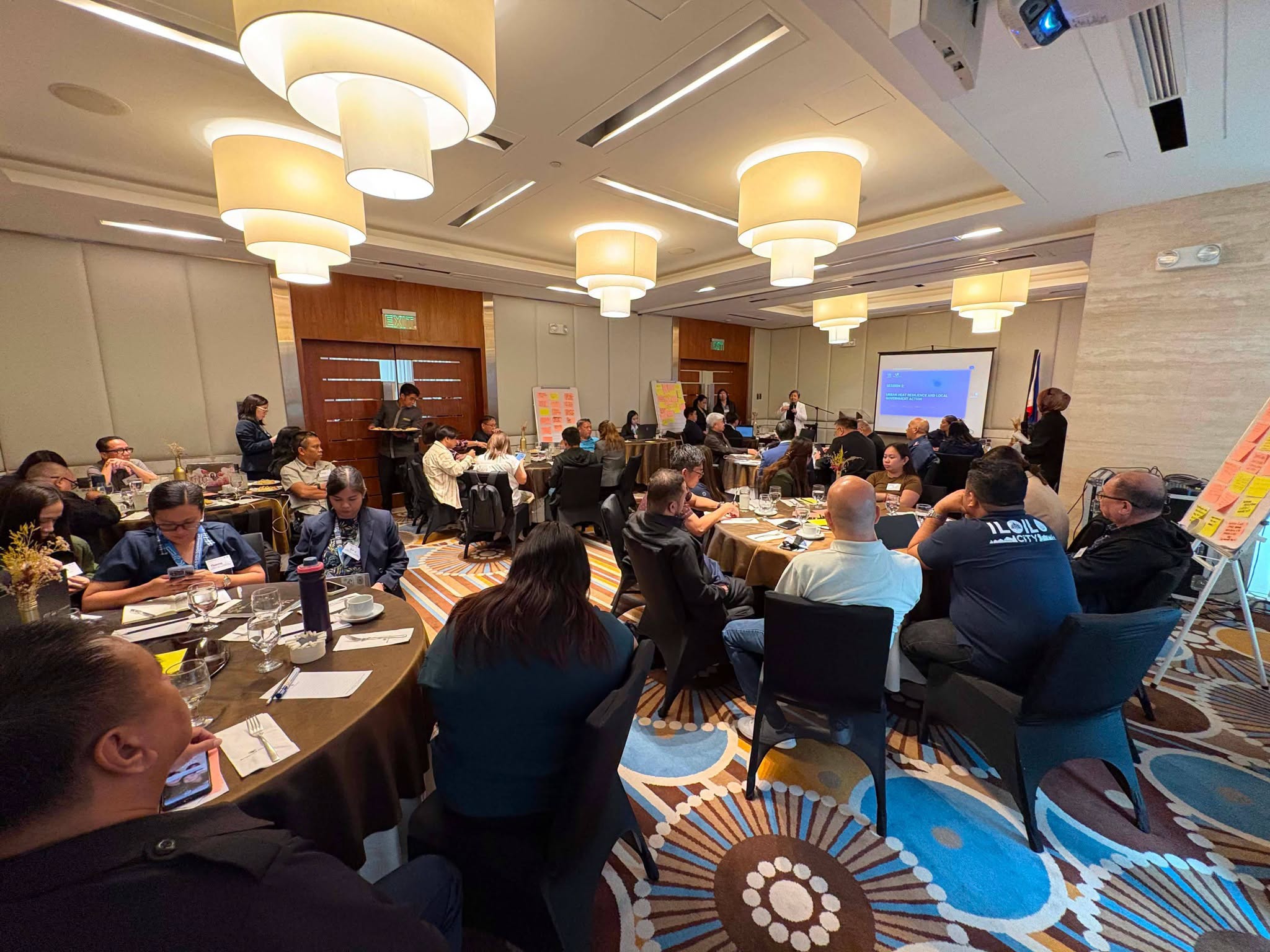
ILOILO CITY — The Office of the City Environment and Natural Resources Officer (OCENRO) took part in a two‑day Urban Heat Action Planning Workshop from June 24 to 25, 2026, at the Richmonde Hotel. The sessions focused on nature‑based strategies to cool the city, promising a more comfortable and inviting destination for visitors.
A Workshop to Beat the Heat
Participants gathered to establish baseline data on urban heat and map out localized solutions. They identified the neighborhoods most affected by rising temperatures and brainstormed practical ways to bring relief. The collaborative atmosphere encouraged government staff, planners, and environmental experts to align on shared priorities.
The workshop emphasized structured urban action planning as essential for safeguarding community well‑being. By prioritizing green infrastructure, the city aims to reduce the heat that makes walking tours and outdoor dining uncomfortable during peak months. The insights gained will shape Iloilo’s environmental roadmap for the coming years.
Nature‑Based Solutions Take Center Stage
The core of the workshop revolved around Nature‑based Solutions (NbS). Expanding tree canopies and restoring natural cooling zones were identified as the most effective long‑term defenses against extreme heat. These solutions not only lower surface temperatures but also create scenic, shaded corridors that enhance the visitor experience.
Participants mapped out priority projects that can be implemented quickly, such as pocket parks and green walls in the downtown area. The goal is to weave vegetation into the urban fabric, turning heat‑absorbing concrete into refreshing oases. For tourists, these green spaces offer spots to rest, take photos, and enjoy Iloilo’s heritage without wilting under the sun.
From Global Training to Local Action
The workshop did not emerge from thin air. Earlier this year, Iloilo City sent a team to a United Nations ESCAP training in Bangkok focused on urban heat resilience. The knowledge gained there directly informed the discussions at the Richmonde Hotel, giving local officials the frameworks to adapt international best practices to Iloilo’s specific needs.
The city has already taken emergency measures during the recent dry season, deploying cooling centers and hydration stations in public areas. However, the June workshop represents a shift from temporary fixes to permanent, nature‑driven infrastructure. This transition aligns with Iloilo’s participation in Project TRANSFORM, a multi‑sectoral initiative that blends green, gray, and blue projects for climate resilience.
A Cooler City, A Better Destination
Urban heat mitigation is not just about comfort; it is an economic strategy. Tourists are more likely to linger in a city where they can stroll comfortably, eat outdoors, and explore markets without discomfort. By investing in green infrastructure, Iloilo enhances its appeal as a walkable, livable destination.
The planned tree‑planting along major boulevards and the restoration of natural cooling zones will complement the city’s existing attractions, such as the Esplanade and the historic plazas. Each new green corridor becomes both a climate solution and a tourism asset. Visitors will be able to bike, jog, or simply wander under a cooling canopy.
Community Involvement and Long‑Term Impact
The success of these nature‑based strategies depends on active community participation. OCENRO encourages residents and businesses to support tree‑planting drives, maintain pocket gardens, and advocate for green public spaces. Every household that nurtures a garden contributes to the city’s overall cooling effect.
The workshop concluded with a clear set of priority projects and a timeline for implementation. As Iloilo moves forward, the collaboration between government, private sector, and citizens will determine how quickly the city can become a model for urban heat resilience in the Philippines. The message is clear: a cooler, greener Iloilo is a city where both locals and tourists can thrive.