A serious climate challenge hit the northern island waters of the province on Friday, May 22, 2026, forcing immediate adjustments across coastal communities. The Philippine Atmospheric, Geophysical, and Astronomical Services Administration confirmed that the historic municipality of Cuyo registered a dangerous heat index of 51 degrees Celsius. This reading represents the highest thermal index recorded across the entire country so far this fiscal year, placing the area at the absolute maximum boundary of the state's official danger classification. The intense weather conditions have driven local agriculture boards and maritime associations to rewrite their afternoon work schedules to protect outdoor laborers from severe heat stroke.
Enforcing Noon Transport Suspensions to Protect Outdoor Fishermen
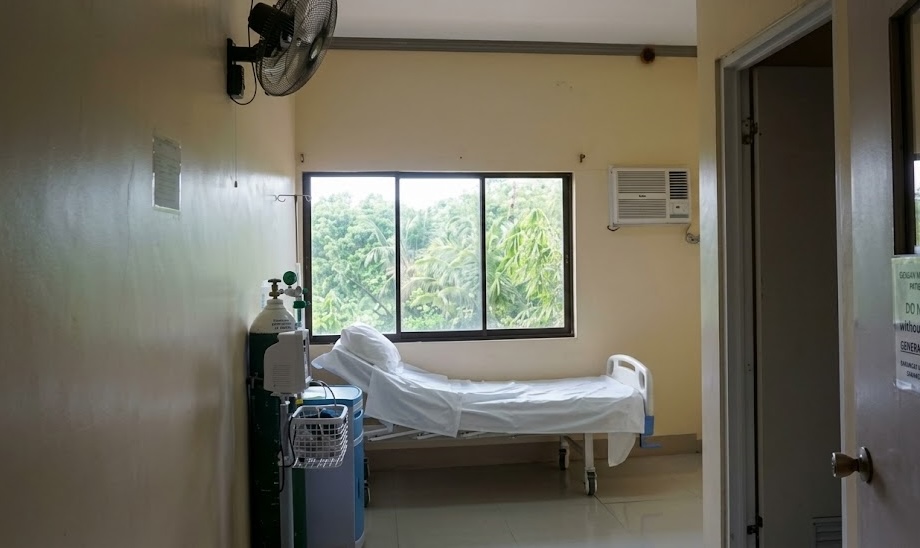
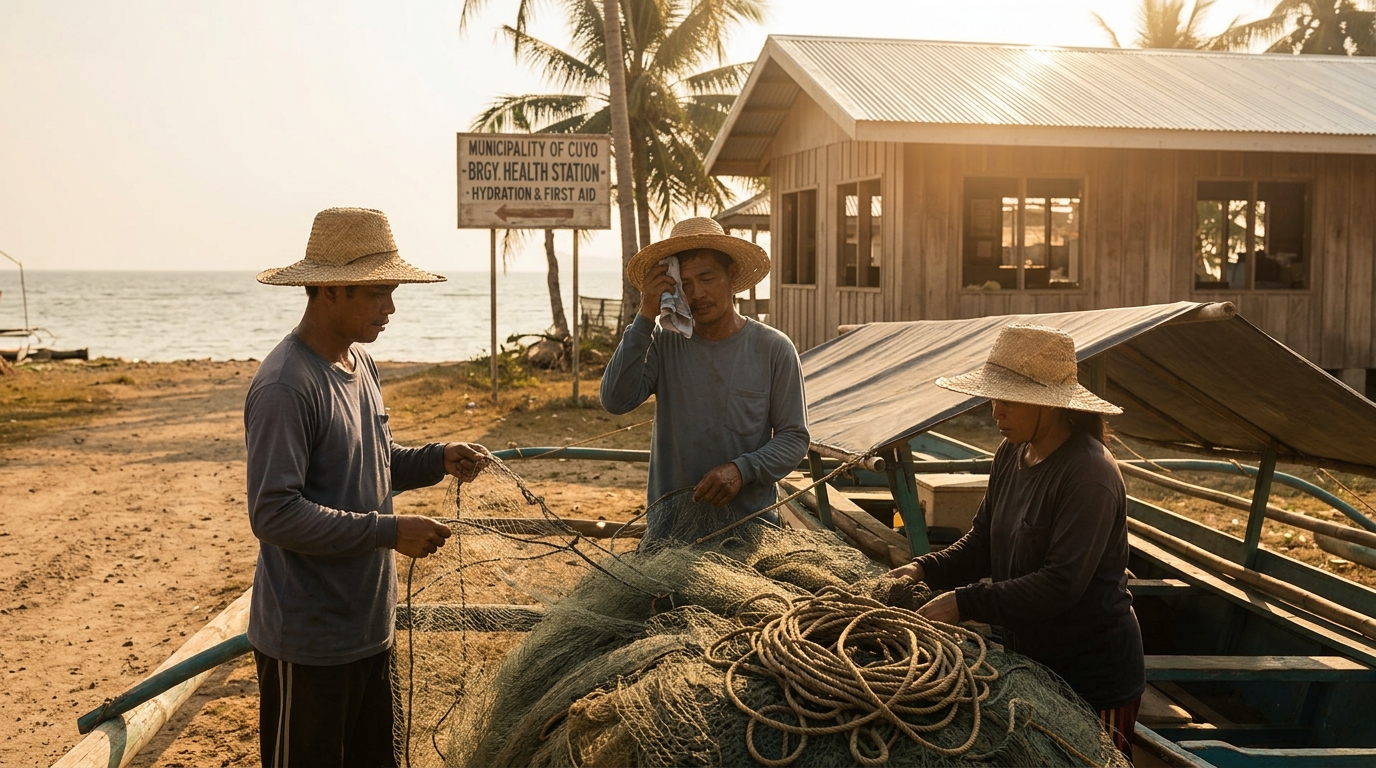
To ensure absolute safety for the local workforce, community leaders are recommended to advise independent fishermen and agricultural workers to completely avoid open-field activities between 10:00 AM and 4:00 PM. Local transport cooperatives must adjust their schedules, shifting heavy manual loading tasks and boat repairs to the cooler early dawn and twilight hours. Public health clinics located near the coastline should expand their medical stocks, storing ample supplies of hydration salts and intravenous fluids to manage any sudden emergencies. These proactive adjustments help protect families from facing severe medical emergencies while keeping the town's essential fishing trade operating safely.
Upgrading School Classroom Infrastructure to Meet Changing Climate Realities
Following the record-breaking temperature reports, local education departments should explore flexible home-based learning options for public schools that lack advanced cooling systems. Municipal planners must review architectural designs for future school buildings, focusing on adding high ceilings, natural cross-ventilation, and wide green roofing to lower indoor temperatures naturally. Investing in these long-term structural upgrades protects the health of young students, ensuring that classrooms remain safe and comfortable spaces for learning. The island community must continue to demonstrate remarkable resilience, showing how data-driven public planning can help society adapt smoothly to extreme weather challenges.