Markets Became Places People Actually Stay In
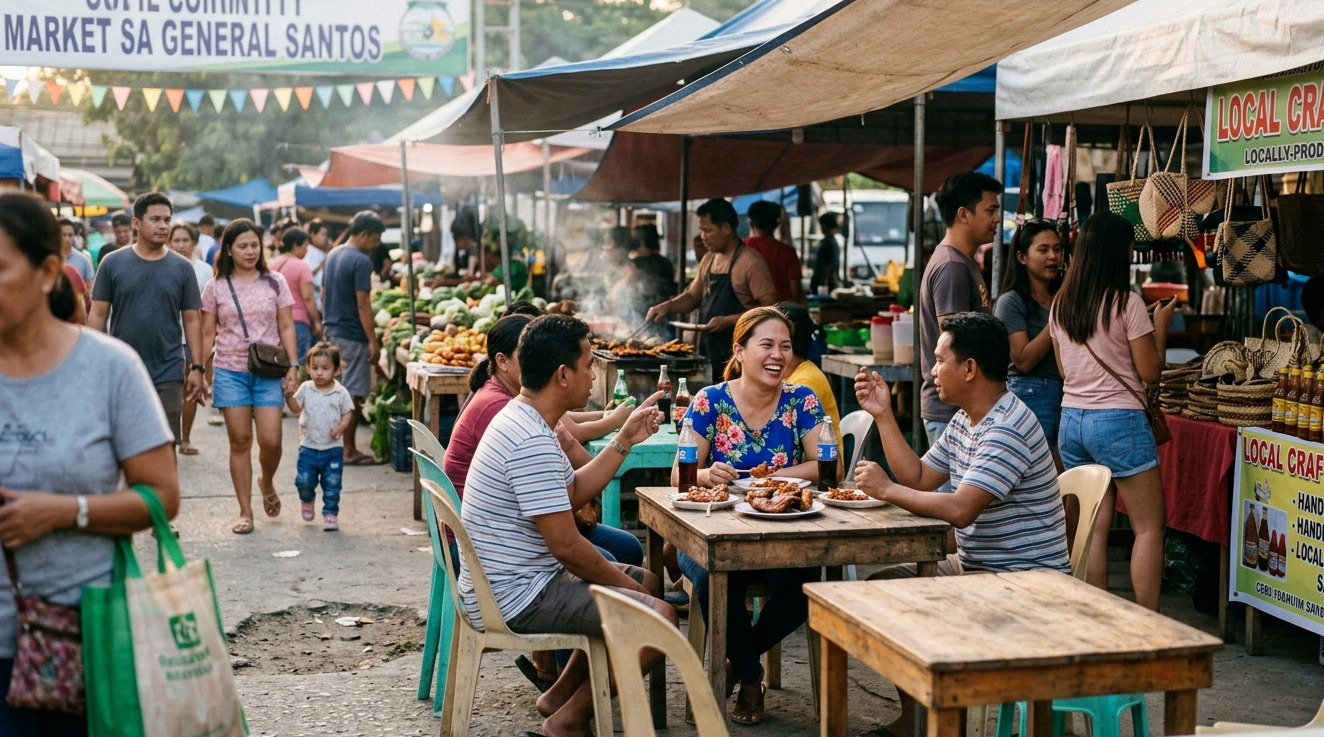
Many visitors now spend longer periods inside weekend markets instead of simply purchasing goods and leaving immediately. Food stalls, live music, small seating areas, and local crafts encourage people to slow down and interact more casually. Families, students, and workers often treat markets as low-pressure social environments. Community interaction naturally grows in spaces that feel open and approachable. Everyday places quietly shape social culture.
Local Sellers Benefit From Stronger Community Support
Small vendors often gain repeat customers through familiarity rather than heavy advertising. Residents become more willing to support businesses when they personally recognize sellers and products. Community markets also give smaller entrepreneurs visibility without requiring expensive commercial spaces. This creates a more localized economic environment. Social trust often strengthens local business activity.
Public Spaces Are Becoming More Valuable Socially
As cities become busier, open community-centered spaces grow more meaningful. Weekend markets provide residents with places that feel active without being overly formal or expensive. In General Santos, these environments are becoming part of how people experience leisure and connection within the city. Community culture often develops around repeated ordinary gatherings. Not every meaningful social space needs to be highly organized.