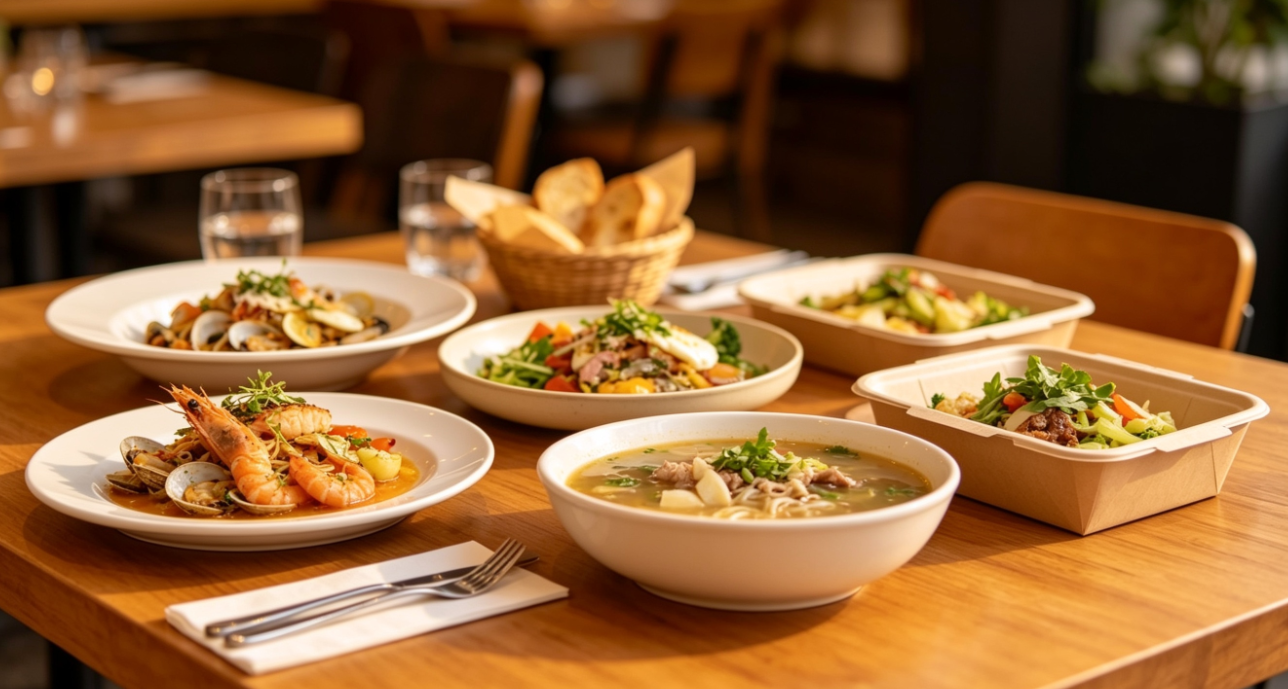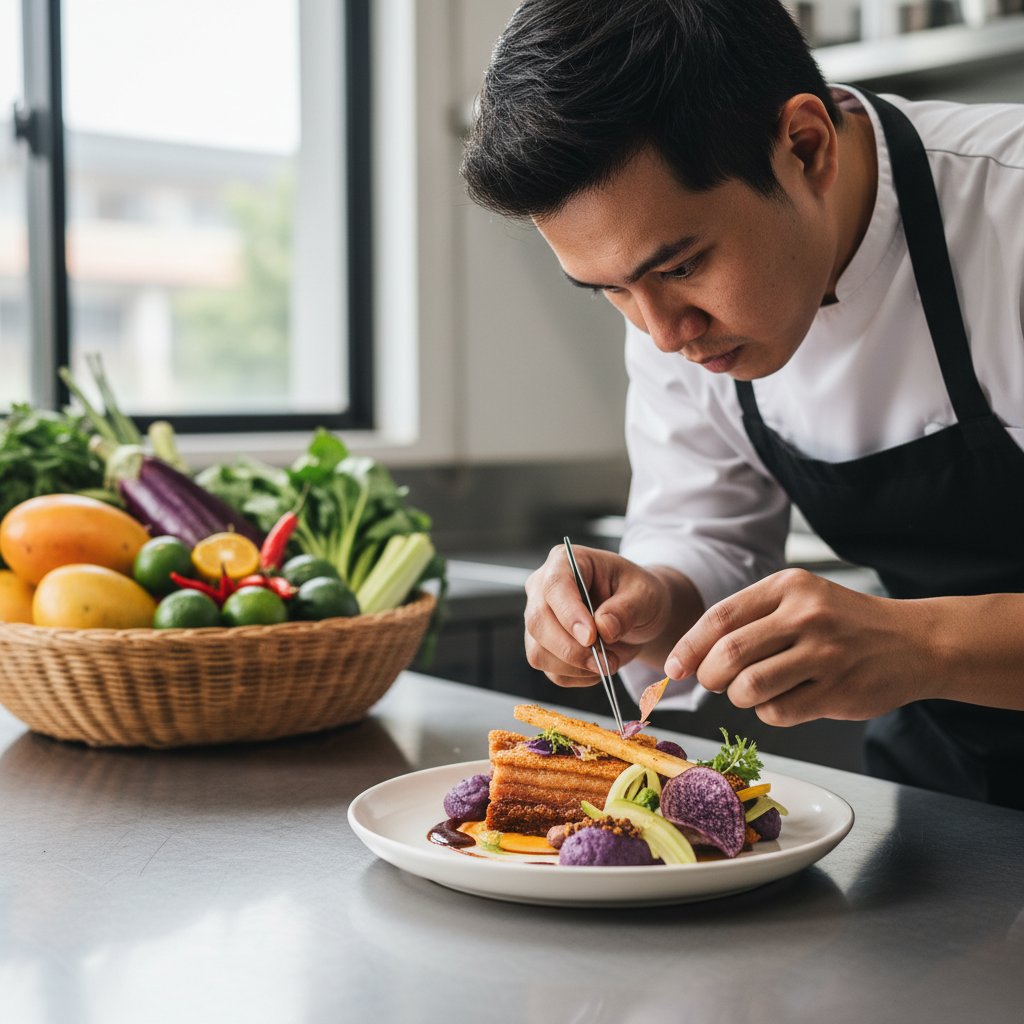
The evolving landscape of Filipino cuisine, a vibrant and diverse culinary tradition gaining increasing global recognition, is fundamentally shaped not just by celebrity chefs or trendy restaurants, but by the very foundations of the nation itself: its farms, its policies, and its homes. This assertion, highlighted by thephilbiznews, underscores a profound truth for millions of Filipinos and Overseas Filipino Workers (OFWs) across the globe – the authentic taste and future direction of their beloved dishes are intrinsically linked to what happens within the archipelago. At its core, the statement points to the critical role of local agriculture.
Preserving Heirloom Ingredients and Ensuring International Ingredient Access
Filipino farms are the bedrock, providing the unique ingredients – from heirloom rice varieties to specific herbs and spices – that define the distinct flavors of dishes like adobo, sinigang, and kare-kare. Supporting these agricultural communities ensures not only food security for the nation but also preserves the authenticity of ingredients crucial for traditional recipes. For OFWs, this connection to the farm often translates into the quality of ingredients available in international markets, influencing their ability to recreate a taste of home. Policies, both agricultural and economic, play an equally significant part.
Empowering Local Cultivators and Facilitating Global Export Frameworks
Government initiatives supporting sustainable farming practices, fair trade for farmers, food innovation, and culinary tourism directly influence the availability, cost, and global reach of Filipino food products. Effective policies can empower local producers, encourage culinary education, and facilitate the export of Filipino ingredients and processed foods, creating economic opportunities within the Philippines that can also benefit families supported by OFW remittances. Conversely, inadequate policies can hinder growth and compromise food heritage.
Job Creation, Soft Power Diplomacy, and Hospitality Career Upgrading
This holistic perspective on Filipino cuisine's future is vital for several reasons. Economically, a robust food sector, from farm production to global restaurant chains, creates jobs and contributes significantly to the national GDP. For OFWs, many of whom work in the global hospitality and food service industries, a rising tide of Filipino culinary appreciation can open new career pathways and entrepreneurial ventures abroad. Culturally, preserving and promoting authentic Filipino cuisine strengthens national identity and offers a powerful form of soft diplomacy, allowing the Philippines to share its rich heritage with the world.
Household Recipe Retention and Supporting Sustainable Domestic Farms
For Filipinos, whether residing in the Philippines or working overseas, understanding this interconnectedness means recognizing their role in shaping this future. Supporting local farmers, advocating for sound agricultural and food-related policies, and, perhaps most importantly, preserving culinary traditions within homes are all crucial. The passing down of recipes and cooking techniques from one generation to the next, often sustained through family gatherings and the emotional connection to food, ensures that the heart of Filipino cuisine continues to beat strongly, regardless of geographical distance. This collective effort ensures that the unique flavors of the Philippines continue to thrive, enriching lives and plates globally.