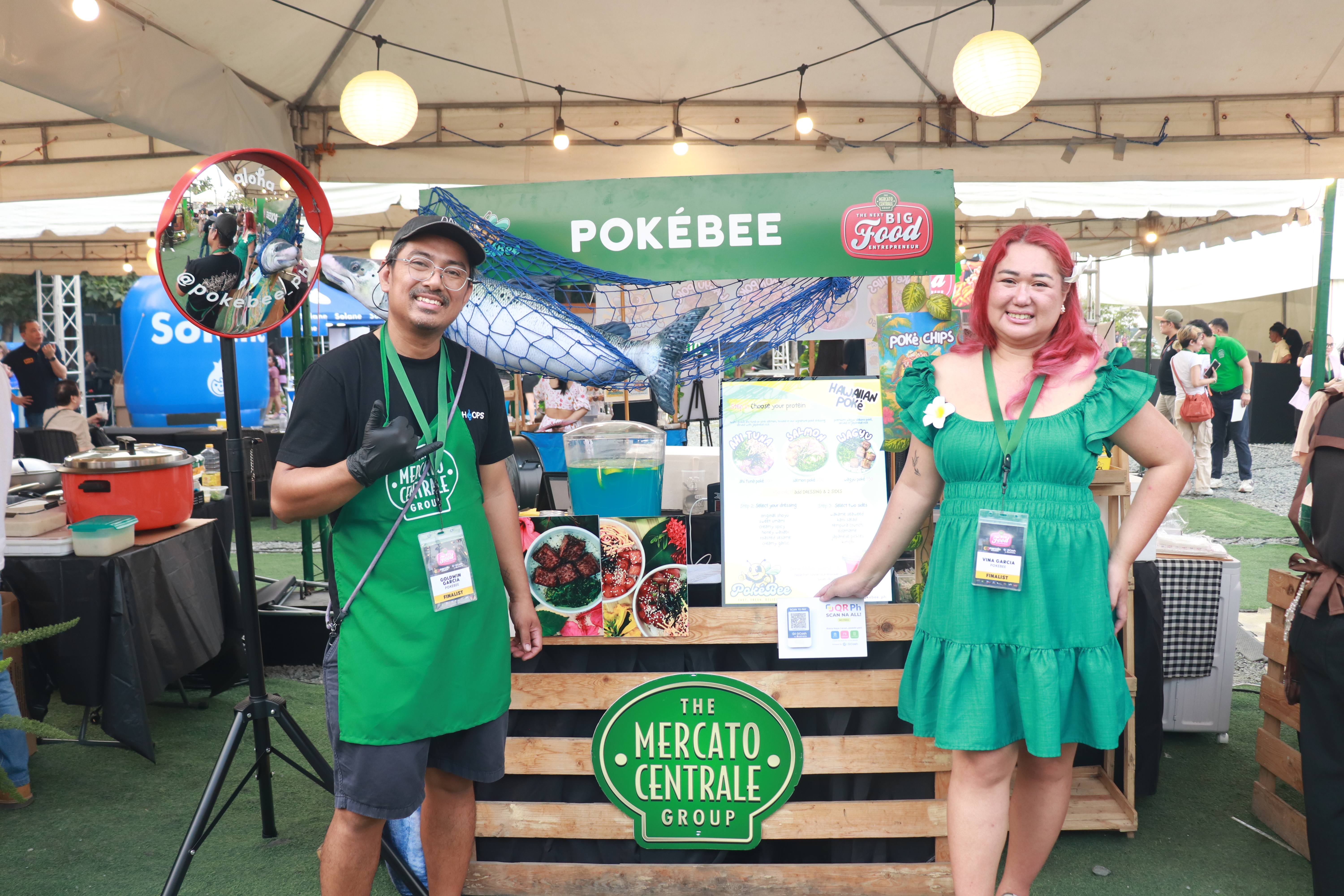
MANILA — The final round of The Next Big Food Entrepreneur (NBFE) 2026 had all the trappings of a classic competition: savory aromas drifting past food stalls, a steady hum of hungry customers, and a panel of judges quietly making notes. But for the husband-and-wife team behind PokéBee, the stakes were intensely personal. Among the ten food startups that set up shop at Mercato Centrale Bridgetowne in Pasig City on April 18, 2026, their stall carried more than just fresh fish and house-made sauces. It carried a recipe originally crafted by Goldwin Garcia’s late brother, a promising home cook who had adapted traditional Hawaiian poke for the Filipino palate—but passed away before he could see the brand come to life.
When PokéBee was named the grand winner of this year’s nationwide search, the victory transcended the usual startup accolades. It was a quiet, heartfelt tribute to a lost family member, and a validation of the Garcias’ belief that high-quality, affordable poke could find a permanent home in the country’s fast-casual dining scene.
From Fine-Dining Price Tags to a Fast-Casual Mission
Goldwin and Vina Garcia did not stumble into the food business by accident. They were long-time customers of the growing number of poke shops in Metro Manila, but they repeatedly encountered the same frustration: what was a common street food in Hawaii was being repackaged here as a premium product, often priced at ₱400–₱600 per bowl. “We knew that good poke shouldn’t be a luxury meal,” Vina recalled. “Goldwin’s brother had already developed a more affordable, localized recipe that still respected the original Hawaiian flavors. We just needed the right moment to bring it to market.”
That moment arrived when Mercato Centrale launched the open call for NBFE 2026 in February. The competition, now in its fourteenth year, has become the country’s premier launchpad for emerging food entrepreneurs, with past alumni including Mama Lou’s, Merry Moo, and Tokyo Tempura. The Garcias saw the program as the ideal platform to honor both the recipe and the brother who created it.
A Four-Stage Gauntlet: From Digital Sift to Live Grand Finale
More than 60 entries came in from across the country after the February 18, 2026 call for submissions. Applicants were required to submit a 30- to 40-second video on social media showcasing their product, inspiration, and brand vision using the hashtag #NBFE2026Entry. Longlisted brands then advanced to a “Tasting Table” session, where they presented their creations to a curated panel of foodies and key opinion leaders. The focus was not only on flavor but also on the founder’s story and market potential.
The ten finalists, including PokéBee, were then invited to an exclusive bootcamp under Mercato Academy, in partnership with the De La Salle–College of St. Benilde. Held at the School of Hotel, Restaurant, and Institution Management, the hands-on sessions covered food costing, branding, operations, and go-to-market strategy. Resource speakers came from SHRIM, GoNegosyo, GCash for Business, and Mercato Centrale itself. The bootcamp ensured that winners would have not just a great recipe but a viable, scalable business model.
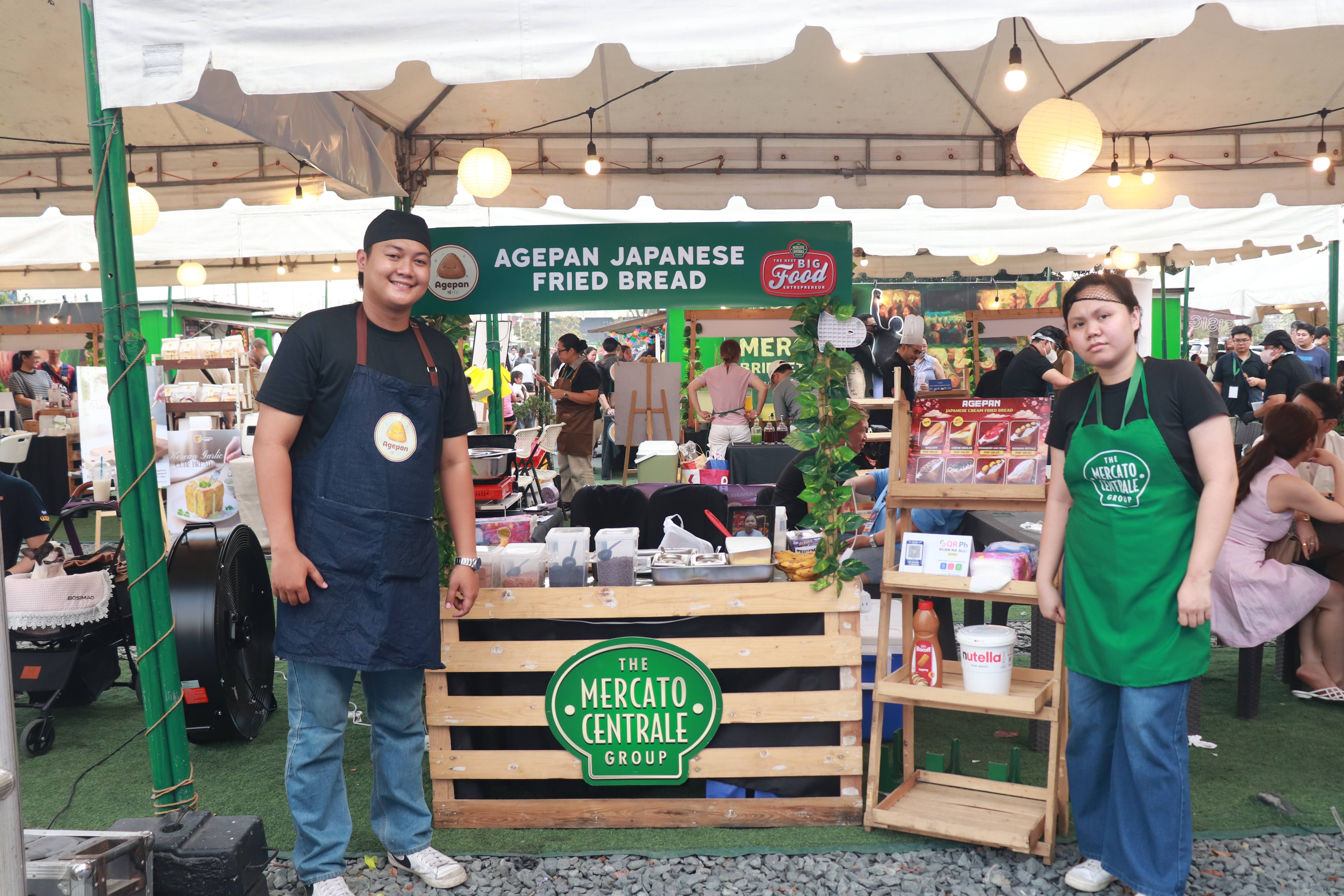
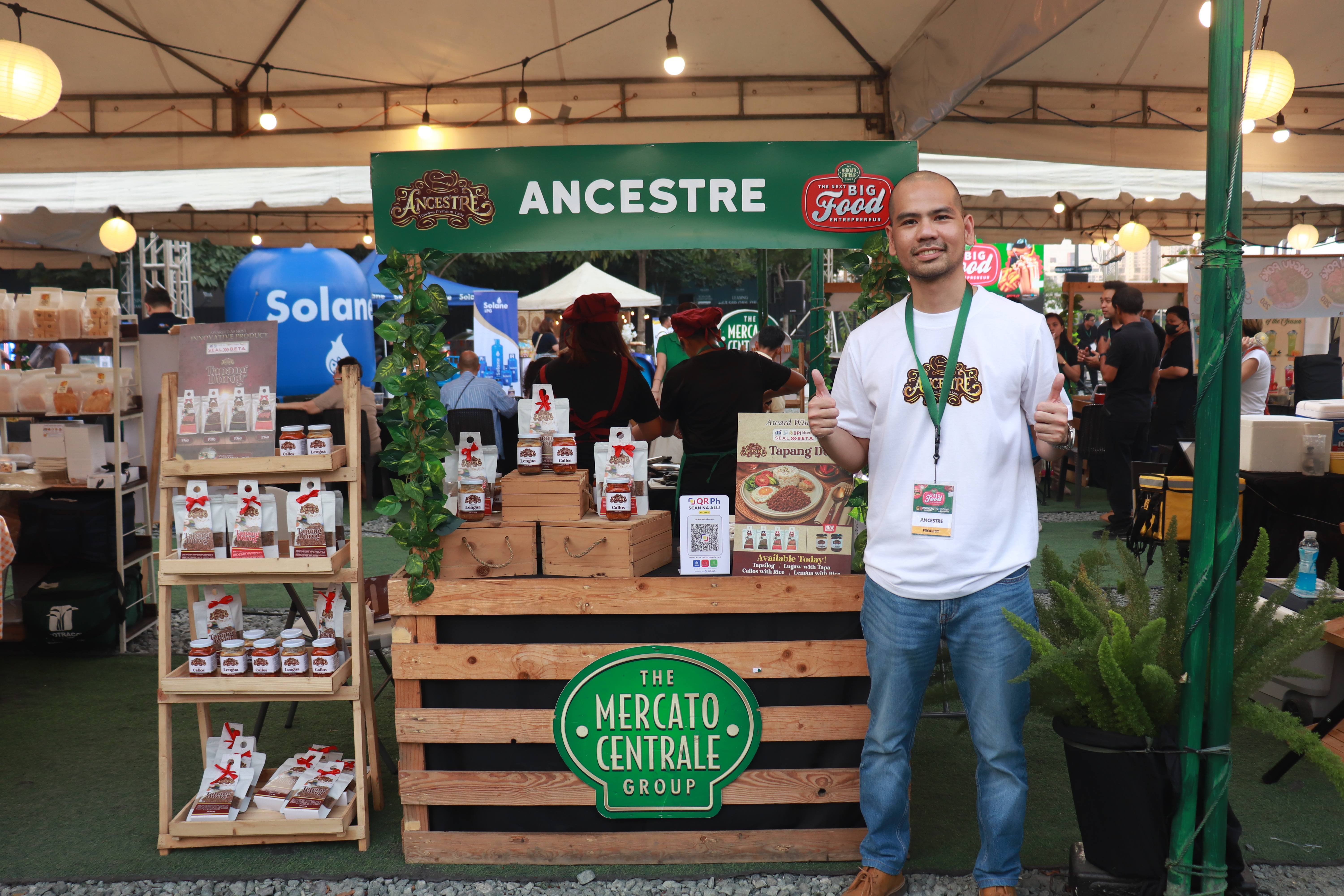
The grand finale on April 18 transformed the Bridgetowne location into a lively open-air food hall. Each finalist operated a stall and sold products directly to the public, while judges evaluated them based on four criteria: flavor and product strength (30%), concept and brand story (20%), business readiness and execution (25%), and market popularity (25%). For the Garcias and their five-person team, the weekend was a blur of chopping, mixing, and smiling at customers—but the crowd response was immediate and enthusiastic. “People kept coming back for a second bowl,” Goldwin said. “That was when we felt, maybe we really have something here.”
The Winning Bowl: How PokéBee Localizes a Hawaiian Classic
Hawaiian poke (pronounced POH-keh) traditionally consists of raw, cubed fish—typically tuna or salmon—tossed in a soy-based sauce and served over rice. The Garcias stayed true to that foundation but introduced several innovations to suit the Filipino palate and budget. Their bowls start with a base of warm, seasoned rice; customers choose from tuna, salmon, tofu, or a combination, add toppings such as edamame, cucumber, pickled radish, seaweed, and pineapple, and finish with a house-made sauce. Three proprietary sauces anchor the menu: a classic shoyu, a spicy mayo-wasabi blend, and a tangy calamansi-soy mix that adds a distinctly Filipino citrus kick.
“We wanted each ingredient to be recognizable and affordable,” Vina explained. By streamlining sourcing and portioning, the couple kept their average bowl price between ₱250 and ₱350—significantly lower than most existing poke concepts. This pricing strategy impressed the judges, who were looking for brands that could scale beyond a single market stall and appeal to a broad, budget-conscious customer base.