BUTUAN CITY — In a city where new cafes seem to open every month, there is a place that has resisted the urge to reinvent itself. Margie's Bakeshop + Cafe has occupied the same spot for decades, and stepping inside feels less like entering a business and more like walking into a preserved memory. The menu has stayed largely the same, the cakes remain the same varieties that generations of Butuanons grew up with, and the atmosphere carries the weight of years without feeling tired.
Walls That Remember Everyone
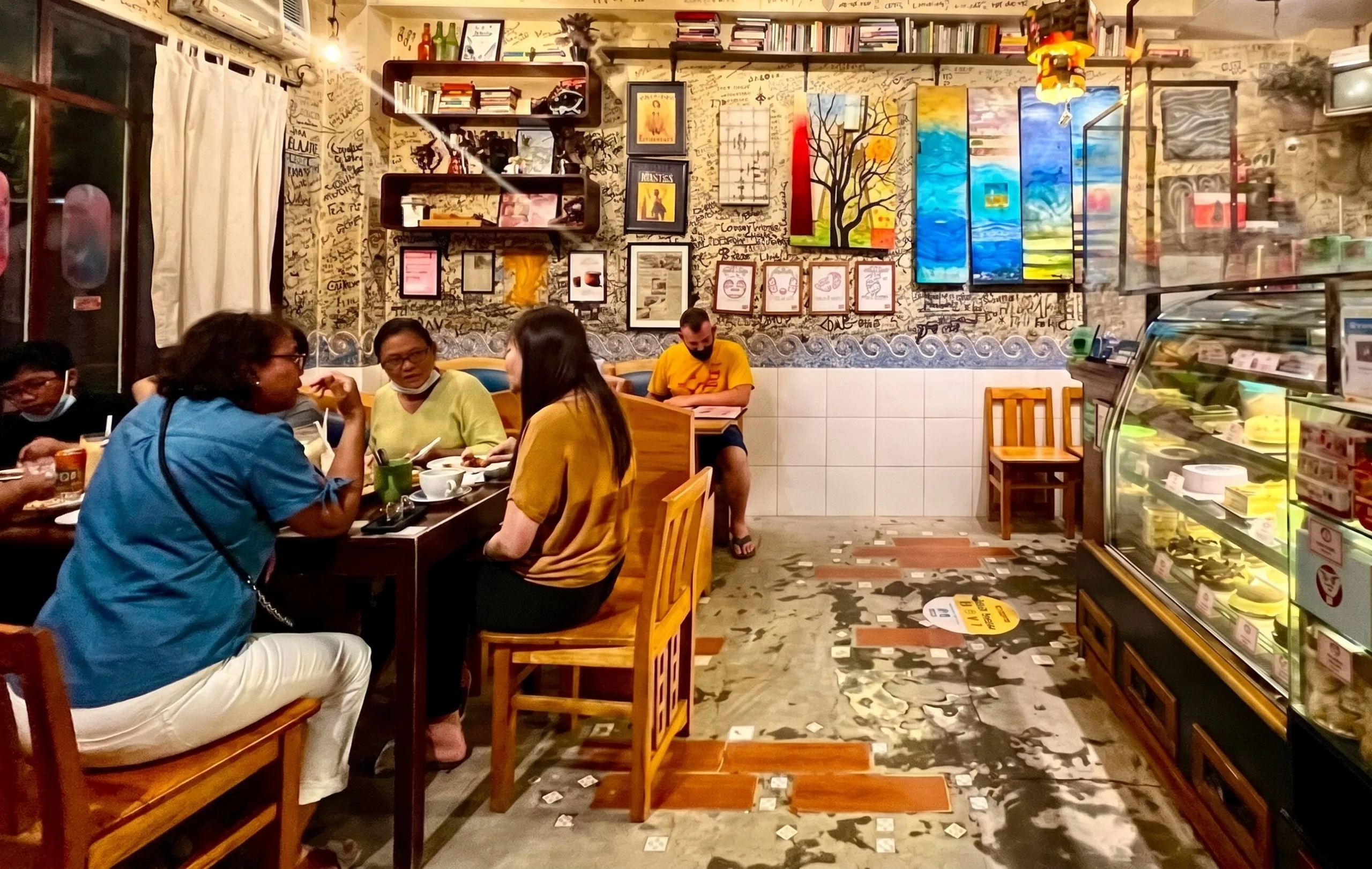
The most telling detail is not the food but the walls. They are covered in handwritten signatures and messages from customers who visited across different decades, a living archive of the people who have passed through the cafe. An old television still sits in its corner, unchanged for years. Reviews describe the interior as a blend of graffiti-inspired walls and framed art, a bohemian space that feels closer to a European cafe or a college-town hangout than a commercial bakeshop. That consistency is deliberate, or at least accepted. Nothing has been replaced for the sake of change.
The Thai Bagoong Fried Rice and the Cakes That Built a Reputation
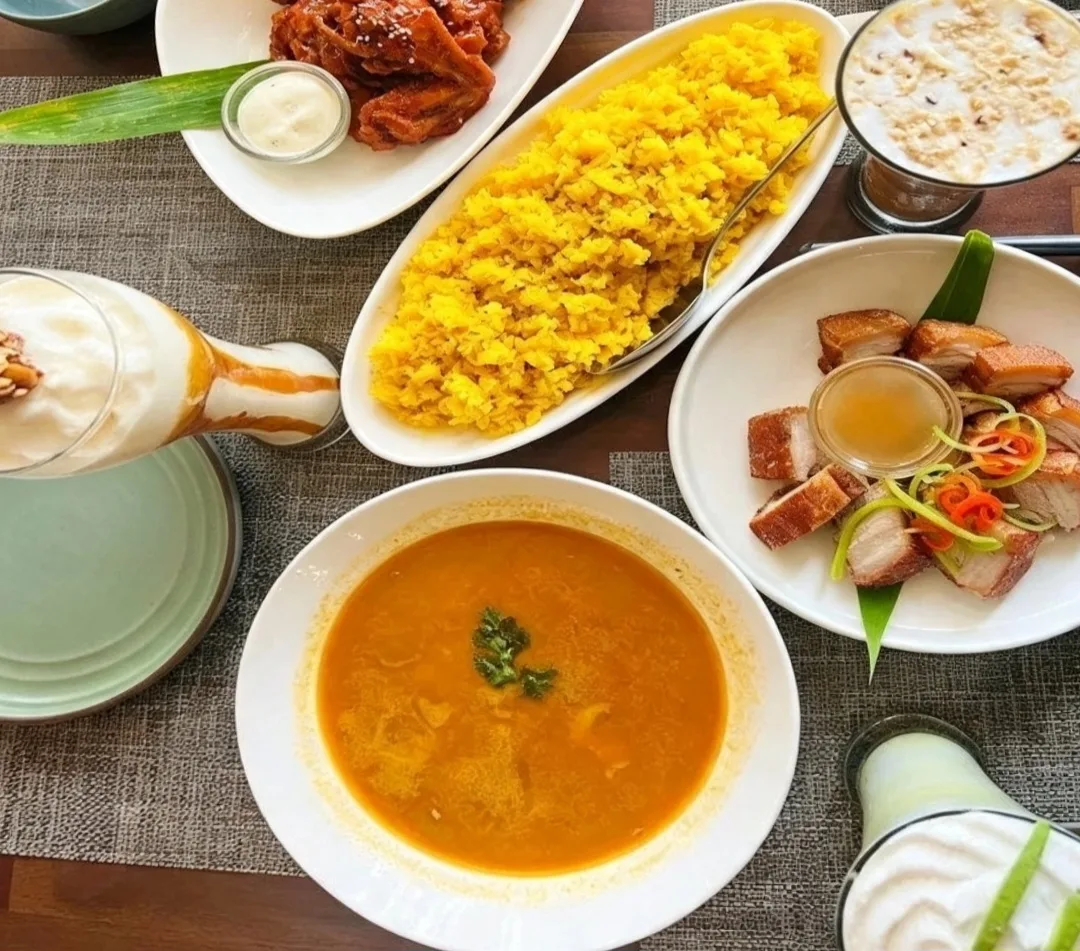
The food menu includes Filipino and Asian dishes, and among the favorites is the Thai Bagoong Fried Rice, a savory plate that regulars order without needing to look at the menu. The cafe is better known for its baked goods, particularly the Cookie Monster cake, the sanrival cake, and homemade ice cream, along with oatmeal cookies that locals recommend to visitors. The kitchen has never chased trends; it has simply kept baking what it has always baked, and that reliability is the point.
A Family Institution That Did Not Need to Modernize
Margie's was founded by Margie Calo and is managed by her children, and it grew from a small Butuan bakeshop into a name known across Mindanao. The brand has widened its footprint in recent years, yet the original cafe remains untouched by that expansion. A 2026 profile of the business observed that the growth strategy never came at the expense of the establishment's character, framing it as a bridge between Butuan's history and its present-day development. The original branch, however, did not need to modernize. It was already what people wanted it to be.