

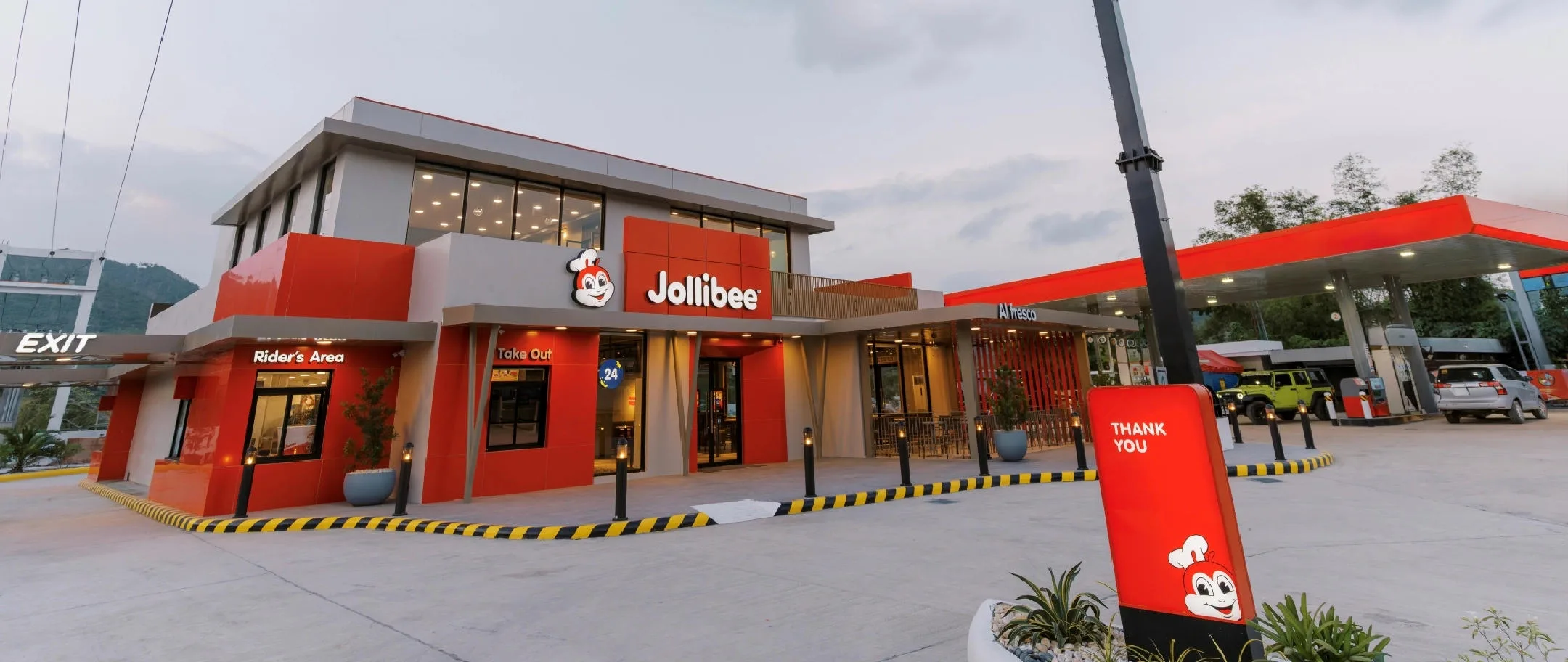
PHILIPPINES — Jollibee Foods Corp. has identified more than 1,500 potential trade areas for development between 2027 and 2030. Approximately 71 percent of these newly targeted locations are situated outside the capital region, signaling a major push into untapped provincial markets.
A Strategic Shift to the Provinces
The expansion plan will primarily support the growth of the company's core domestic brands, including Jollibee, Mang Inasal, and Chowking. These three powerhouses collectively generate nearly 90 percent of the group's overall Philippine systemwide sales, driving the aggressive provincial strategy.
By focusing heavily on areas beyond Metro Manila, the fast-food giant aims to capture emerging consumer demand in regional growth centers. This decentralization strategy positions the company to capitalize on the rising purchasing power of households in the provinces.
Sustaining Double-Digit Growth
The expansion comes as JFC seeks to build on strong domestic momentum. Systemwide sales for its Philippine business grew by 10 percent in both 2024 and 2025, supported by new store openings and robust same-store sales growth of eight and five percent, respectively.
This upward trajectory continued into the first half of 2026, backed by an existing network of more than 3,500 domestic stores. Chief Executive Officer Joseph C. Tanbuntiong stated that the company will pursue aggressive yet disciplined expansion to broaden consumer reach.
Tanbuntiong emphasized that future openings will be guided by strict site viability and sustainable returns. Maintaining this disciplined approach ensures that the rapid physical expansion does not compromise the operational efficiency and profitability of the existing store network.
Mang Inasal's Drive-Thru Success
Alternative service channels are proving highly lucrative for the company. After opening its first drive-thru in Bulacan in late 2025, Mang Inasal expanded to eight units by the first half of 2026, generating average daily sales about 40 percent higher than traditional stores.
The Jollibee brand alone accounts for approximately 62 percent of local systemwide sales, but Mang Inasal's standout performance illustrates the immense potential of these flexible formats. These drive-thru locations demonstrate how enhanced accessibility can significantly boost overall store productivity.
The exceptional performance of these alternative formats has prompted the company to rethink its traditional footprint. By incorporating drive-thru capabilities where feasible, JFC can capture a broader demographic of motorists and busy families seeking quick and convenient dining options.
Beyond Physical Store Expansion
While physical stores remain crucial, JFC is heavily prioritizing alternative channels to lift transaction frequency. The company is investing in delivery services, digital ordering platforms, and adaptable store designs to capture evolving consumer behaviors and maximize convenience.
Actual store openings will remain contingent on commercial viability and site availability. The identified trade areas do not represent confirmed projects, but rather strategic opportunities that align with the company's long-term investment criteria and operational capabilities.
Globally, Jollibee Foods Corp. manages an impressive portfolio of 20 brands comprising more than 10,700 stores and cafes across 33 countries. This international presence provides valuable insights that inform domestic strategies, ensuring that local innovations are backed by global best practices.