

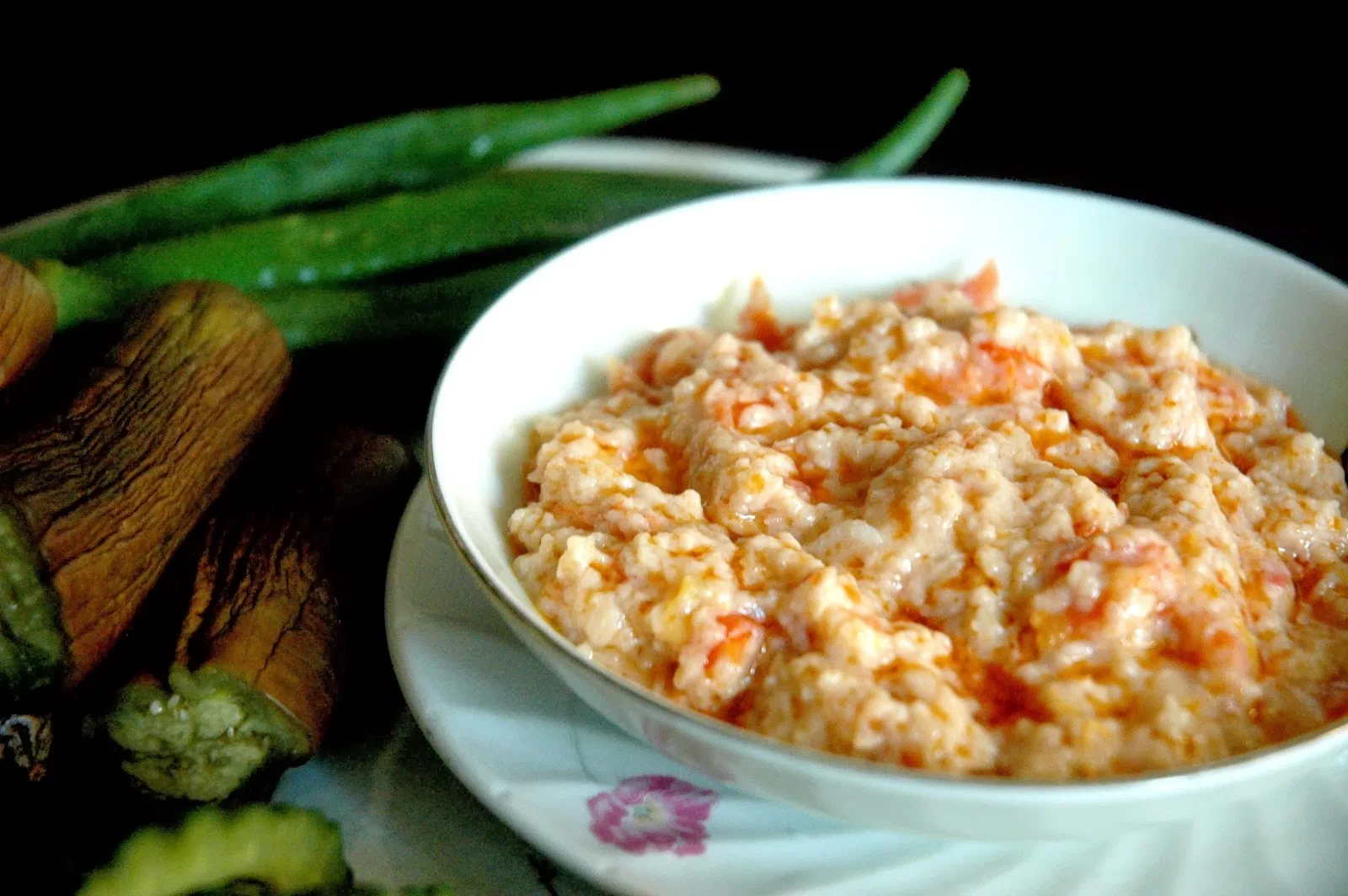
PAMPANGA, PHILIPPINES - To the uninitiated, burong isda can be an intimidating culinary hurdle. With its intensely pungent aroma, pastel pink hue, and porridge-like texture, this traditional Kapampangan dish of fermented fish and rice is a polarizing staple even among locals. But while its sharp smell has driven some away from the dining table for generations, top molecular scientists have just discovered that this humble dish is hiding a massive medical secret. According to a groundbreaking study from the University of the Philippines Diliman, burong isda isn't just a side dish—it's a literal gut superfood.
The Science Behind the Sour
Led by Joshua Veluz and a team of researchers at the UPD-CS National Sciences Research Institute, the study dove deep into the genetic code of the dish's fermentation process. What they found was a goldmine of Limosilactobacillus fermentum, a powerful probiotic bacterium that acts as a bodyguard for your digestive tract. For Veluz, a native Kapampangan who grew up eating the dish, the study turned a childhood comfort food into an international scientific breakthrough. The research team isolated two specific strains of this "good microbe" from samples gathered in Arayat, Pampanga, and subjected them to rigorous laboratory and genomic testing to understand their potential health benefits.
A Powerhouse of Vitamins and Immunity
The implications of this discovery are massive. Laboratory and genomic testing proved that these microscopic organisms are absolute powerhouses: they carry genes that actively synthesize essential B-vitamins (B1, B2, B6, and B9) right inside your body, while reinforcing your immune system to fight off everyday illnesses. This means that eating burong isda doesn't just provide nutrition—it actively contributes to the production of vitamins that are crucial for energy metabolism, brain function, and overall health. The presence of these vitamin-synthesizing genes in the probiotic strains makes burong isda a unique functional food that could play a role in addressing micronutrient deficiencies, particularly in communities where access to diverse diets is limited.
A Natural Shield Against Infections
But the most shocking twist in the research is its hidden superpower against infections. The UP study revealed that the bacteria inside burong isda produce natural defenses that aggressively block the growth of dangerous fungal pathogens, including Candida albicans and Aspergillus fumigatus. This makes it a potentially vital, natural dietary shield for people with weakened immune systems. The ability to inhibit these pathogens is particularly significant given the growing concern over antifungal resistance and the limited options available for treating certain fungal infections. Best of all, the strains were verified as completely safe, non-pathogenic, and free from any risk of spreading antibiotic resistance. So, the next time you encounter the heavy, sour aroma of traditional fermentation, don't turn your nose up. You aren't just looking at local heritage—you're looking at the future of Filipino functional medicine, served straight from a clay pot.