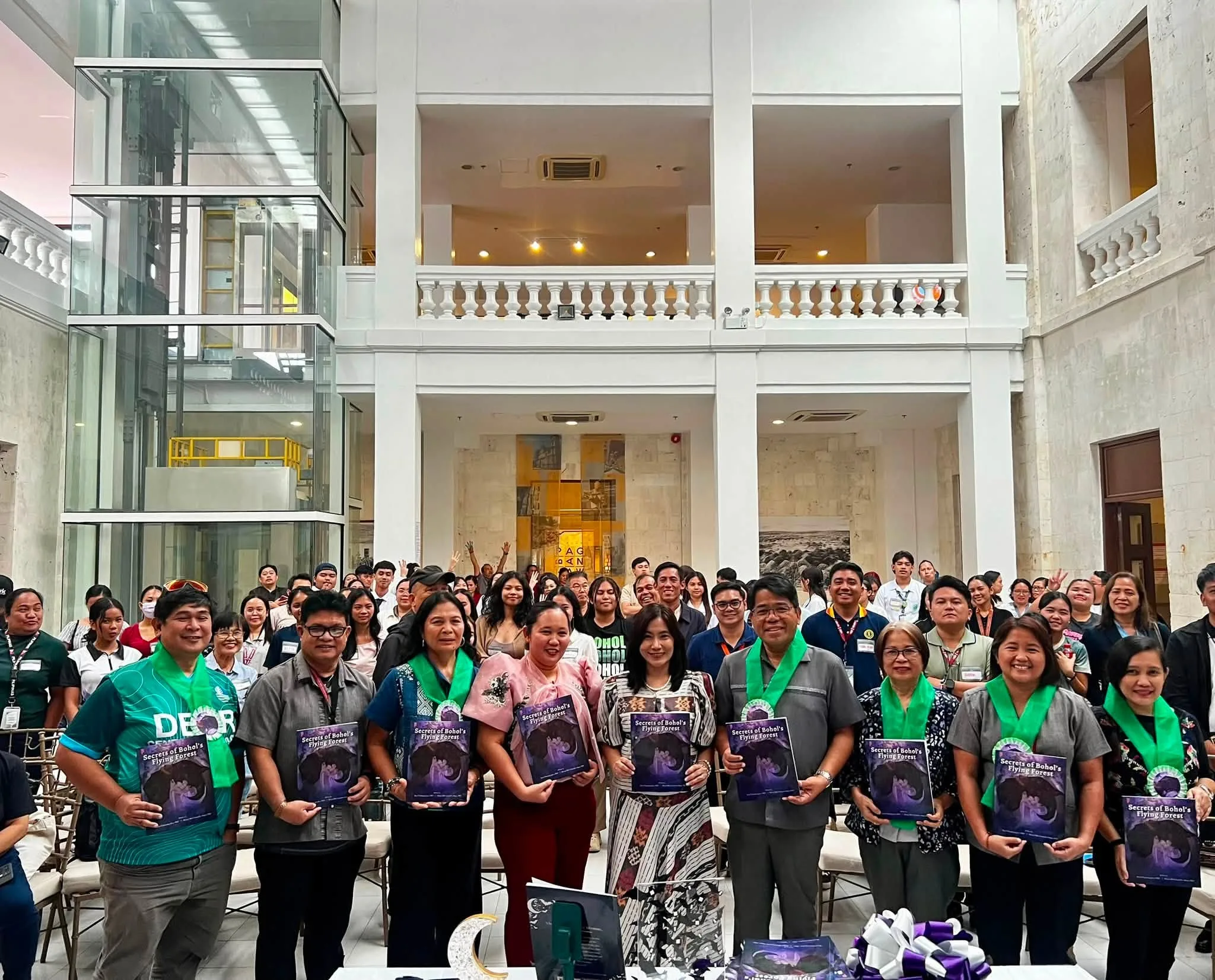
BOHOL — A new children’s storybook launched at the National Museum of the Philippines‑Bohol on June 30 is transforming years of bat research into a powerful eco‑tourism and conservation tool. “Secrets of Bohol’s Flying Forest” invites young readers and travelers alike to discover the island’s rich nocturnal wildlife.
Turning Bat Research into a Visitor Experience
Authors Dr. Reizl P. Jose and Dr. Weena G. Ampo from Bohol Island State University spent years studying fruit bats in the province’s limestone forests. Their scientific papers were important but reached only a handful of specialists. The picture book now makes those findings delightful and easy to grasp.
The story paints bats not as frightening creatures but as gentle forest gardeners that pollinate trees and scatter seeds. By reframing these mammals as heroes of the ecosystem, the book directly enriches the eco‑tour narrative that the Bohol Island Geopark shares with visitors.
A Timely Boost for Geopark Revalidation
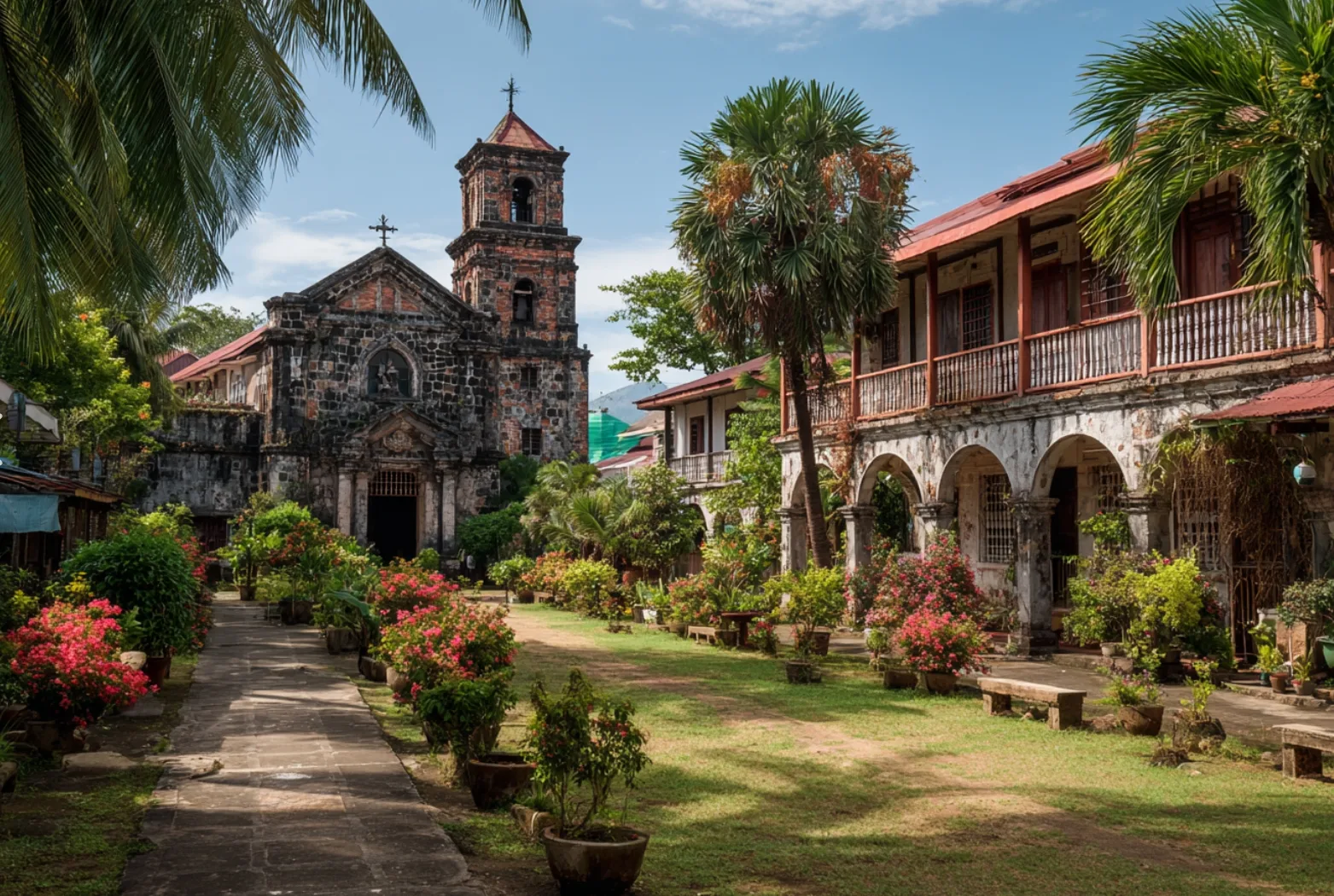
The launch comes as Bohol prepares for its UNESCO Global Geopark revalidation mission later this year. Local tourism officers recently attended a forum where Dr. Jose explained how storytelling about biodiversity strengthens the province’s cultural and natural heritage portfolio.
Tourism planners see the book as a valuable interpretive resource. It can be placed in museum gift shops, local libraries, and tour briefing areas, giving families a meaningful souvenir that deepens their connection to the landscapes they explore during their stay.
Museum and University Forge an Educational Alliance
BISU President Dr. Anthony M. Penaso and Vice President Dr. Maria Lilibeth G. Castil led the university delegation at the launch. Their presence underscored the institution’s commitment to spreading scientific knowledge beyond academic journals and into public life.
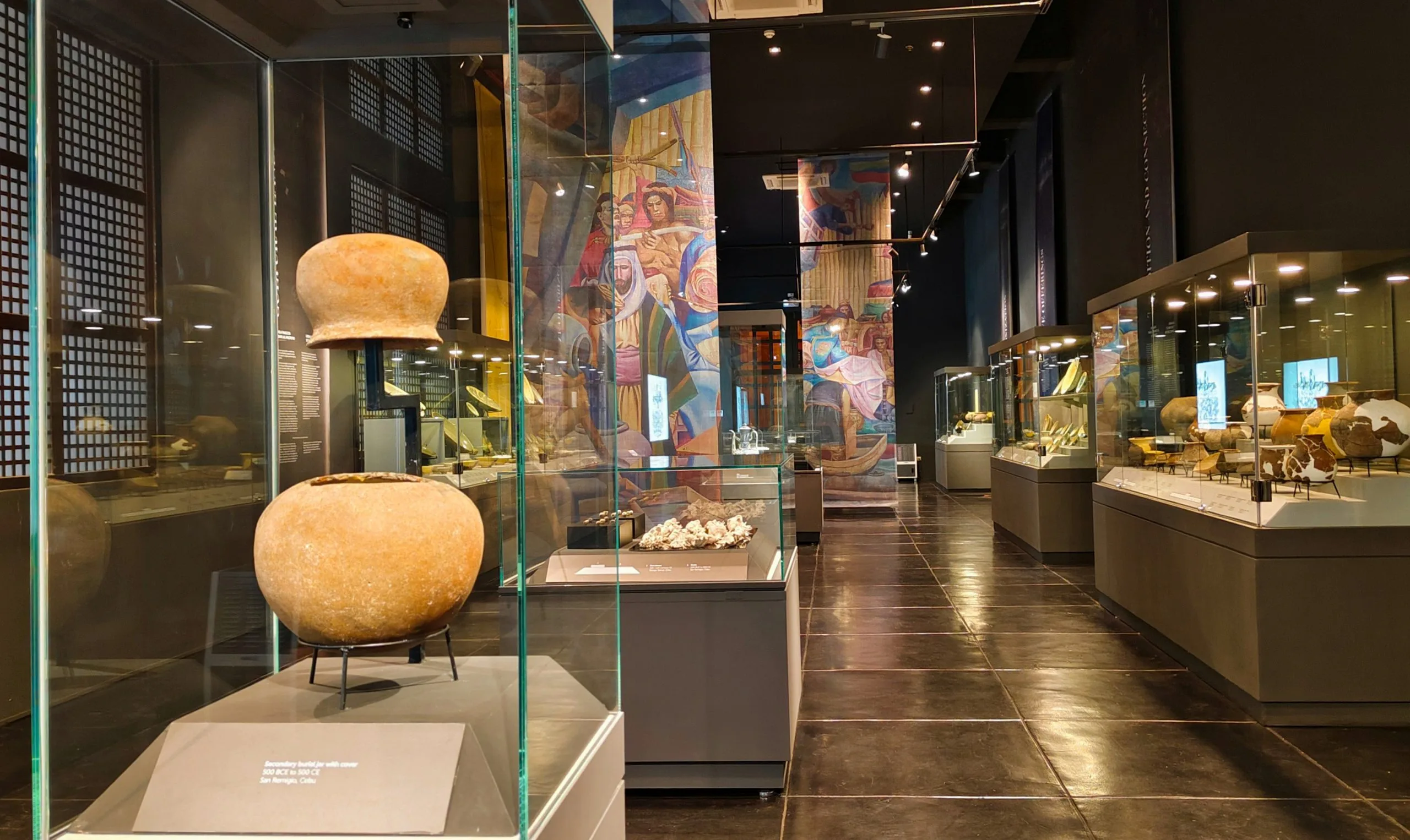
NMP‑Bohol provided the perfect venue where science, literature, and environmental education converged. Museum officials said the partnership demonstrates how accessible learning experiences inspire curiosity and cultivate a collective responsibility for the island’s future.
Misconceptions Give Way to Wonder and Stewardship
Generations of myths have painted bats as pests, causing many people to fear or harm them. The book corrects these misconceptions by showing that every evening flight of a fruit bat helps regenerate the forests that tourists come to see.
When children and their parents understand that the Chocolate Hills and mahogany groves depend on these winged caretakers, they become active protectors. The story nurtures a sense of ownership that lasts long after the vacation ends.
Community‑Led Conservation Welcomes Every Visitor
The authors emphasized that storytelling gives scientific knowledge a voice beyond academic spaces. By weaving the biology of bats into an adventure narrative, the book invites everyone — from a Grade 3 pupil to a foreign backpacker — to care for Bohol’s biodiversity.
As the Geopark readies for international scrutiny, initiatives like this show that the province does not merely preserve rocks and caves. It safeguards living, breathing ecosystems and shares their secrets in ways that warm the heart and spark the imagination.