Recycling Starts With Everyday Waste
BACOLOD - One of the most practical parts of environmental action is proper waste segregation and recycling. Bacolod's solid-waste management framework includes segregation at source, collection, recovery, and other measures intended to reduce the amount of waste ultimately sent to disposal facilities. The city's environmental programs also involve barangays, making waste management something that extends beyond the city government and into individual communities. Visitors can support these efforts simply by separating recyclable materials, avoiding unnecessary single-use items, and using designated bins when they are available. These small actions may seem ordinary, but they are exactly the kinds of habits that make community recycling programs easier to maintain.
Community Gardens Turn Small Spaces Into Productive Areas
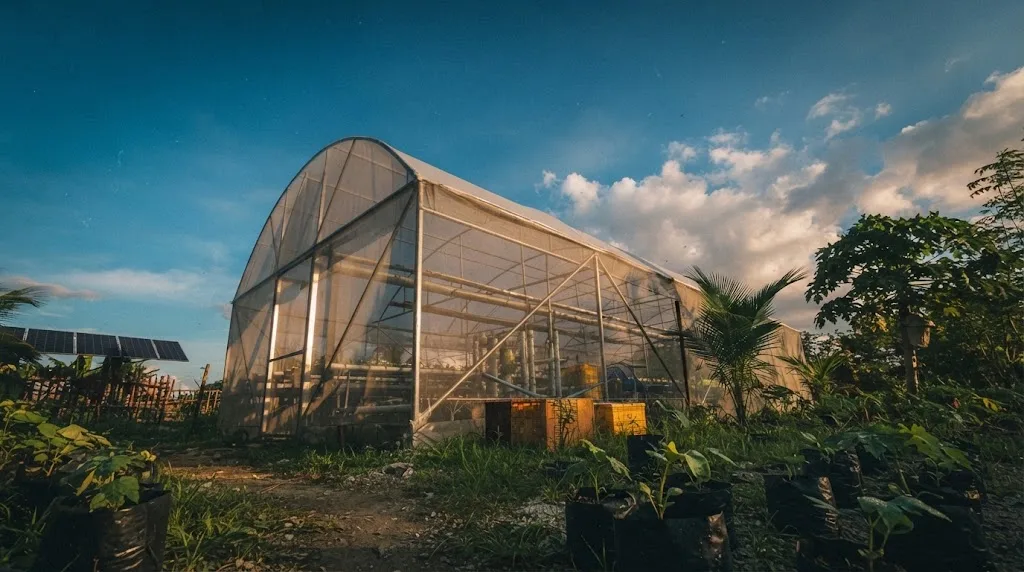
Urban gardening offers another practical approach to making use of available community spaces. The Department of Agriculture's urban agriculture programs have promoted household and community food production, including vegetable gardening in areas where traditional farmland is limited. In Bacolod and other urban communities, gardens can provide residents with access to fresh produce while also creating shared spaces for learning and participation. Community gardens can range from larger organized plots to smaller vegetable gardens maintained by households, schools, barangays, or civic groups. For travelers, these spaces are less about being conventional tourist attractions and more about seeing how local communities incorporate food production into everyday urban life.
Visitors Can Participate Without Turning It Into a Tourist Attraction
Recycling and community gardening are most meaningful when they remain community activities rather than staged experiences for visitors. Travelers can contribute by respecting garden spaces, avoiding litter, buying locally grown produce when available, and following the waste-segregation rules of the places they visit. Those interested in learning more can look for public environmental activities, gardening workshops, barangay initiatives, or volunteer programs that are open to participants. Bacolod's environmental efforts also connect with broader national programs focused on waste reduction, urban agriculture, and sustainable communities. Exploring this side of the city offers a reminder that tourism is not only about seeing famous landmarks—it can also involve understanding how residents care for the places where they live.