When Carrying Luggage Becomes a Travel Barrier
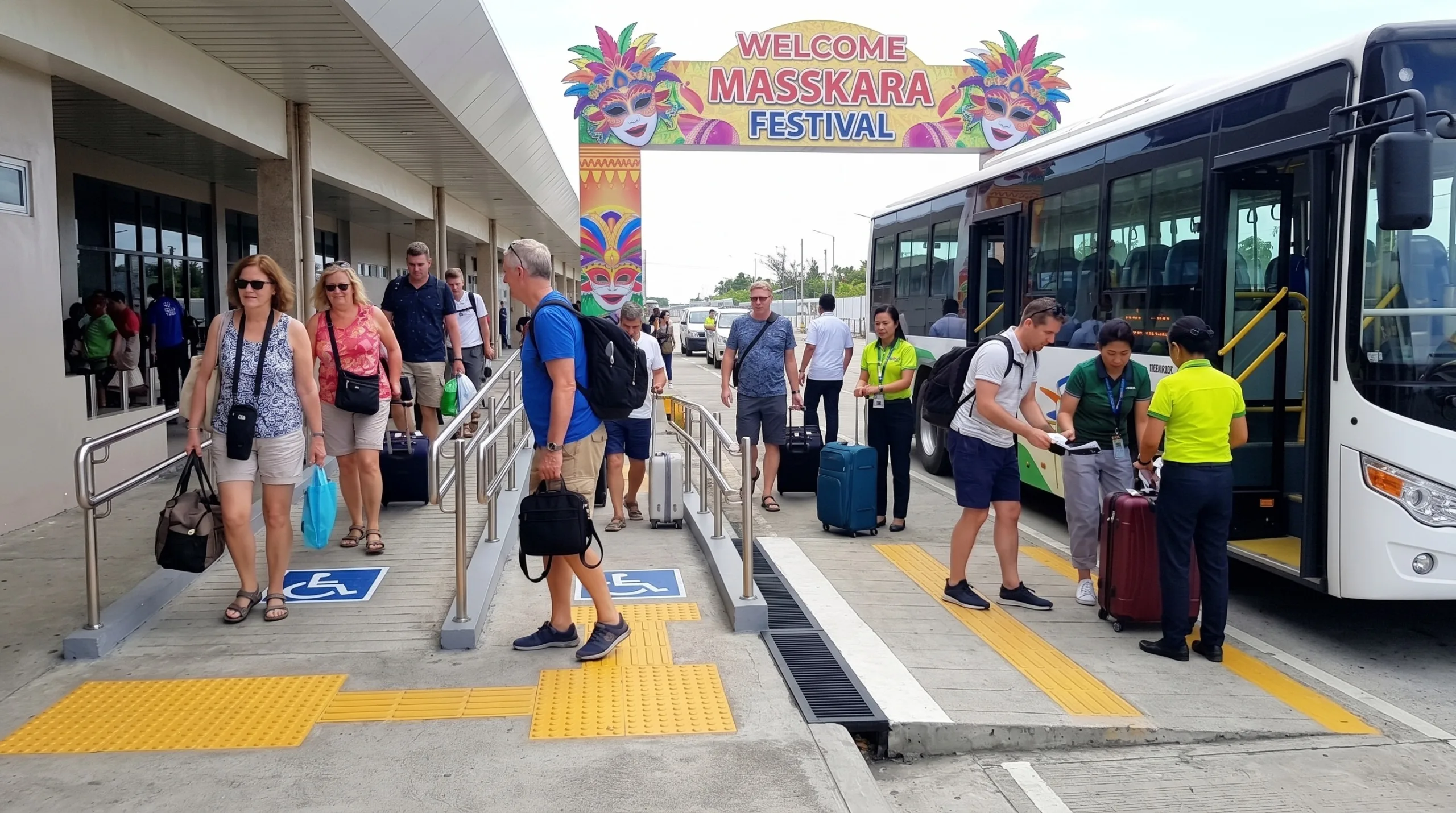
BACOLOD - For travelers who use wheelchairs, walk with canes, experience chronic pain, or have limited strength, managing luggage can make even a short journey challenging. Pulling a heavy suitcase across uneven pavement, lifting bags onto a vehicle, or reaching for items on high shelves may require extra assistance. In destinations such as Bacolod, visitors may need to move between airports, hotels, transport terminals, restaurants, and tourist attractions, making luggage handling an important part of the overall travel experience. Clear pathways, conveniently located elevators, seating areas, and staff who can provide assistance when requested can make these transitions more comfortable.
Accessible Luggage Services Make Journeys Easier
Hotels, transport providers, and tour operators can improve accessibility by offering luggage assistance, step-free routes, suitable storage areas, and advance arrangements for transfers. Travelers may also benefit from luggage delivery between approved locations, although availability, pricing, and coverage should be confirmed directly with the service provider. For people using mobility aids, staff should ask before moving a wheelchair, walker, or other equipment and follow the traveler's instructions for handling it safely. Providing clear information about entrance steps, elevator access, luggage restrictions, and assistance options before booking can help visitors make informed decisions and avoid unexpected barriers.
Better Accessibility Benefits More Than One Group
Luggage accessibility is not only important for people with permanent disabilities; it can also help older adults, pregnant travelers, people recovering from injuries, and families traveling with young children. Tourism businesses in Bacolod could review the entire arrival and departure experience, from vehicle drop-off points to hotel reception and room access, to identify where luggage creates unnecessary difficulty. Staff training, accessible service information, and practical assistance policies can help visitors retain greater independence without having to repeatedly explain their needs. When accessibility is considered from the beginning, destinations become easier to navigate and more welcoming to travelers with a wider range of abilities.