A City Measured in Familiar Places
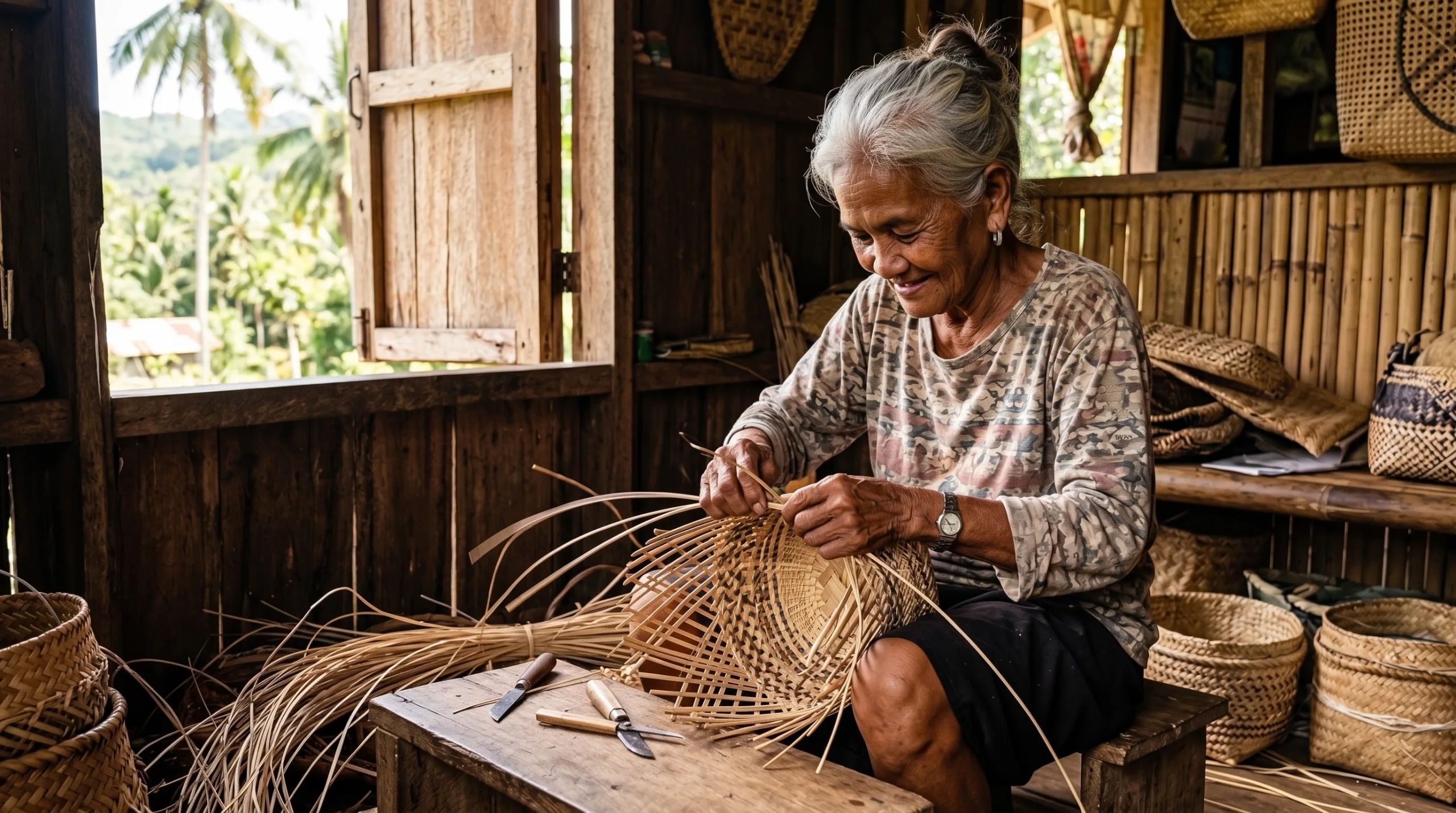
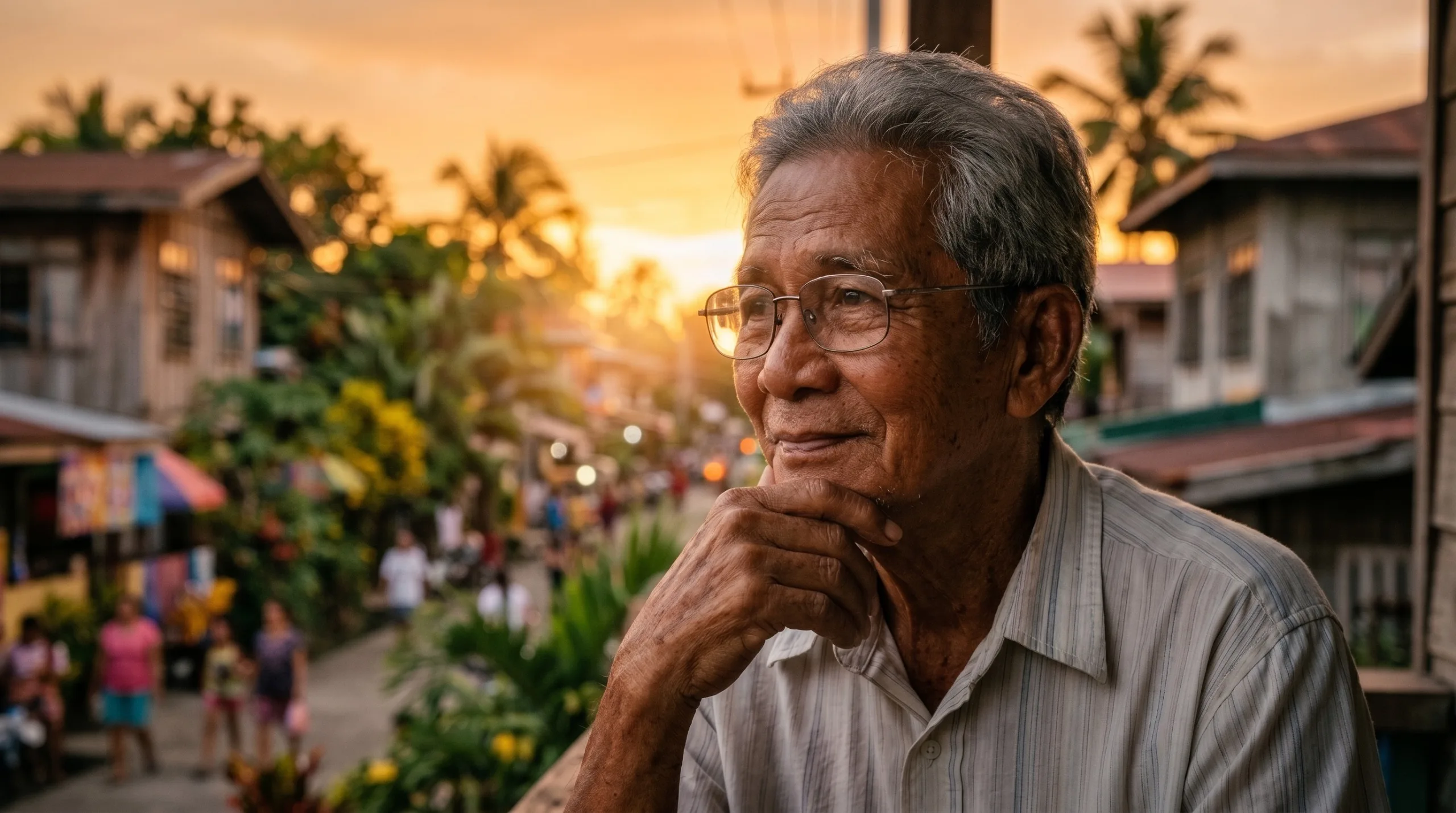
BACOLOD - For many older Bacolod residents, experiencing the city was less about reaching a destination quickly and more about knowing the people and places along the way. Familiar stores, markets, schools, churches, plazas, and neighborhood streets could become important parts of everyday life. Children could spend afternoons playing outdoors, while families often relied on nearby establishments and community connections for their daily needs. The city may have had fewer modern conveniences, but its smaller scale gave ordinary places a strong sense of familiarity.
When Everyday Life Felt More Local
Older generations also experienced a different rhythm of community life. Shopping could mean visiting traditional markets and knowing vendors personally, while celebrations brought neighbors and relatives together in ways that made entire communities feel involved. Local food, family gatherings, neighborhood activities, and long-standing traditions helped shape people's understanding of what it meant to live in Bacolod. These experiences were not always considered special at the time because they were simply part of daily life, but they have since become important memories of an earlier city.
The Bacolod They Remember Still Matters
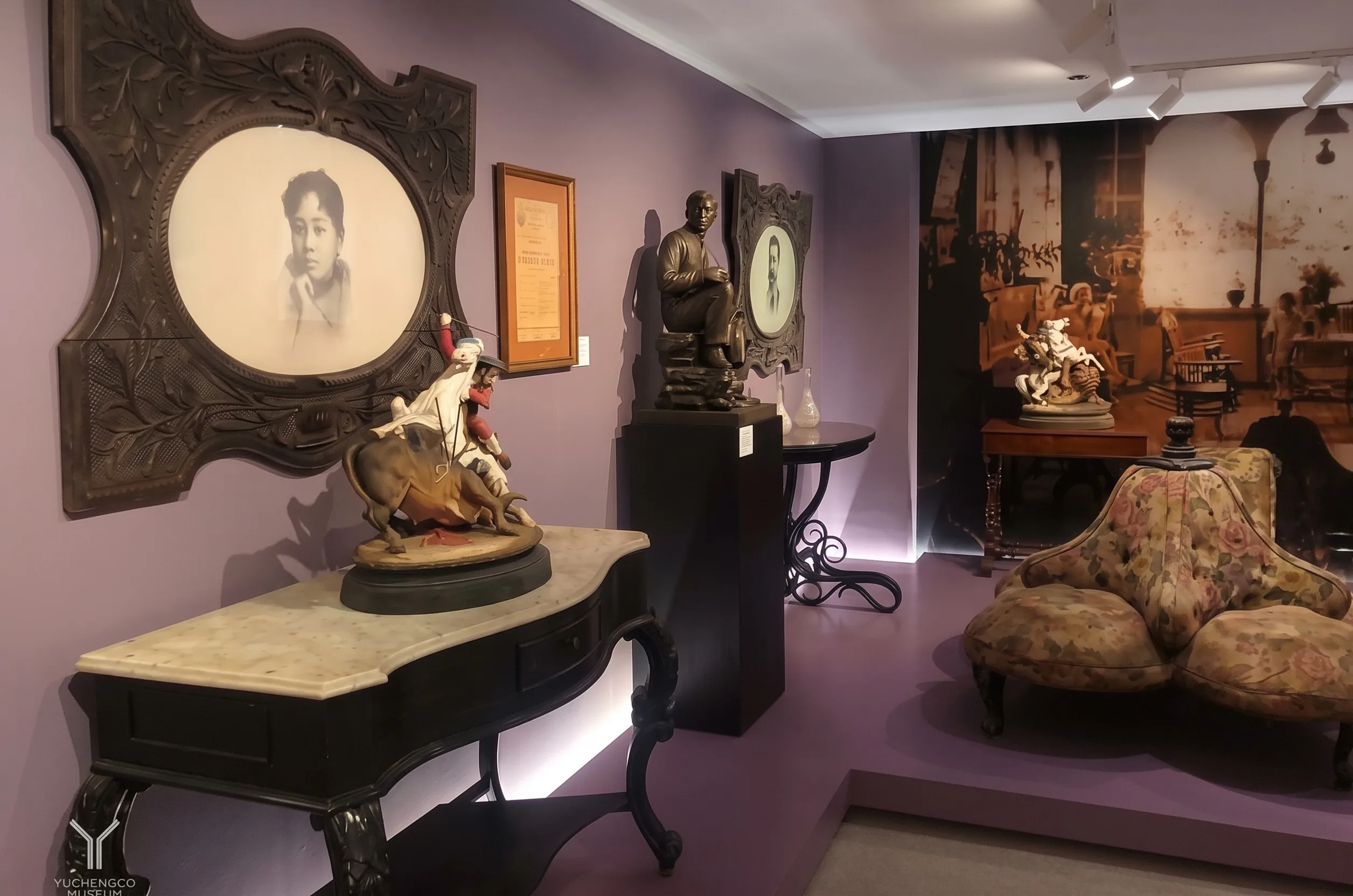
Bacolod's growth has brought new opportunities, businesses, transportation options, residential developments, and public spaces, but progress does not have to erase the character of the past. Stories from older residents can help younger generations understand why certain streets, buildings, traditions, foods, and gathering places matter. Listening to these memories can also encourage communities to preserve pieces of the city's heritage while continuing to welcome change. The Bacolod experienced by previous generations may look different today, but its stories remain part of the city's living identity.