Building a Distinctive Coffee Industry in Negros
BACOLOD - Negros Occidental is placing greater attention on coffee as a potential source of income and economic growth for agricultural communities across the province. The provincial government is promoting locally produced coffee while encouraging farming practices that can withstand changing climate conditions and maintain bean quality. These efforts were highlighted during the 2026 Negros Island Coffee Fiesta at Ayala Malls Capitol Central in Bacolod City, where local cafés, farmers, roasters, producers, and artisans gathered to showcase their products. Governor Eugenio Jose Lacson said events such as the Coffee Fiesta provide opportunities for farmers and industry participants to exchange knowledge, develop partnerships, and explore new markets. The province also hopes to build a stronger identity around Negrense coffee and eventually position Negros Occidental as a destination for quality coffee and coffee tourism. The annual celebration provides an avenue for consumers to discover locally produced coffee while giving farmers and businesses greater exposure.
Four Coffee Varieties Support Local Production
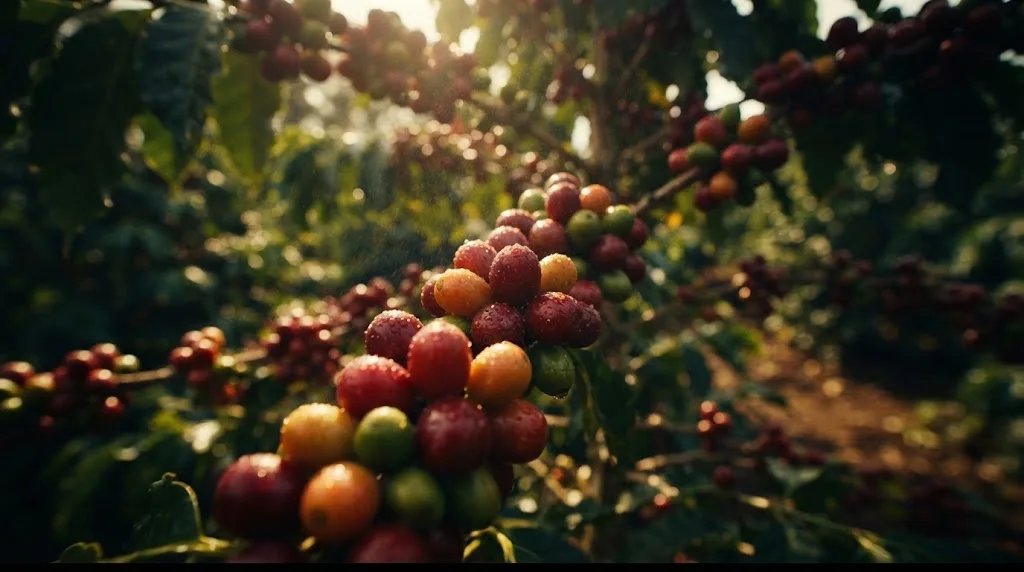
Coffee production in Negros Occidental includes four major species: Robusta, Arabica, Liberica, and Excelsa. Farmers sell their harvest in different forms, including fresh cherries, dried cherries, green coffee beans, roasted beans, and ground coffee. Provincial agricultural data show that the coffee industry currently covers approximately 2,129.38 hectares and involves 2,034 farmers. The province has more than 889,000 coffee-bearing trees, alongside over 752,000 non-bearing trees that are still developing. Fresh coffee cherry production has reached more than 251,000 kilograms, while green coffee bean production has exceeded 7,300 kilograms. Cadiz City, Sipalay City, La Castellana, Kabankalan City, and La Carlota City are among the province's leading coffee-producing areas. These figures demonstrate the scale of the industry and its potential for further expansion through improved farming and processing practices.
Government Programs Help Farmers Improve Production
Government agencies are supporting coffee growers through programs focused on production, processing, marketing, and sustainable agriculture. The Provincial Environment and Management Office assists farmers through its Integrated Social Forestry Program, including coffee growers who have received recognition for their production and quality. Meanwhile, the Department of Agriculture's Philippine Rural Development Program is supporting four coffee processing and marketing enterprises in Sipalay City, Cadiz City, La Castellana, and La Carlota City. These projects cover hundreds of hectares of coffee-producing areas and involve investments ranging from approximately PHP13.85 million to PHP14.99 million. The facilities and enterprises are intended to improve farmers' ability to process and market their harvests while increasing the value of locally produced beans. Better processing infrastructure can also help producers achieve more consistent quality and compete more effectively in wider markets.