Turning Available Spaces Into Productive Gardens
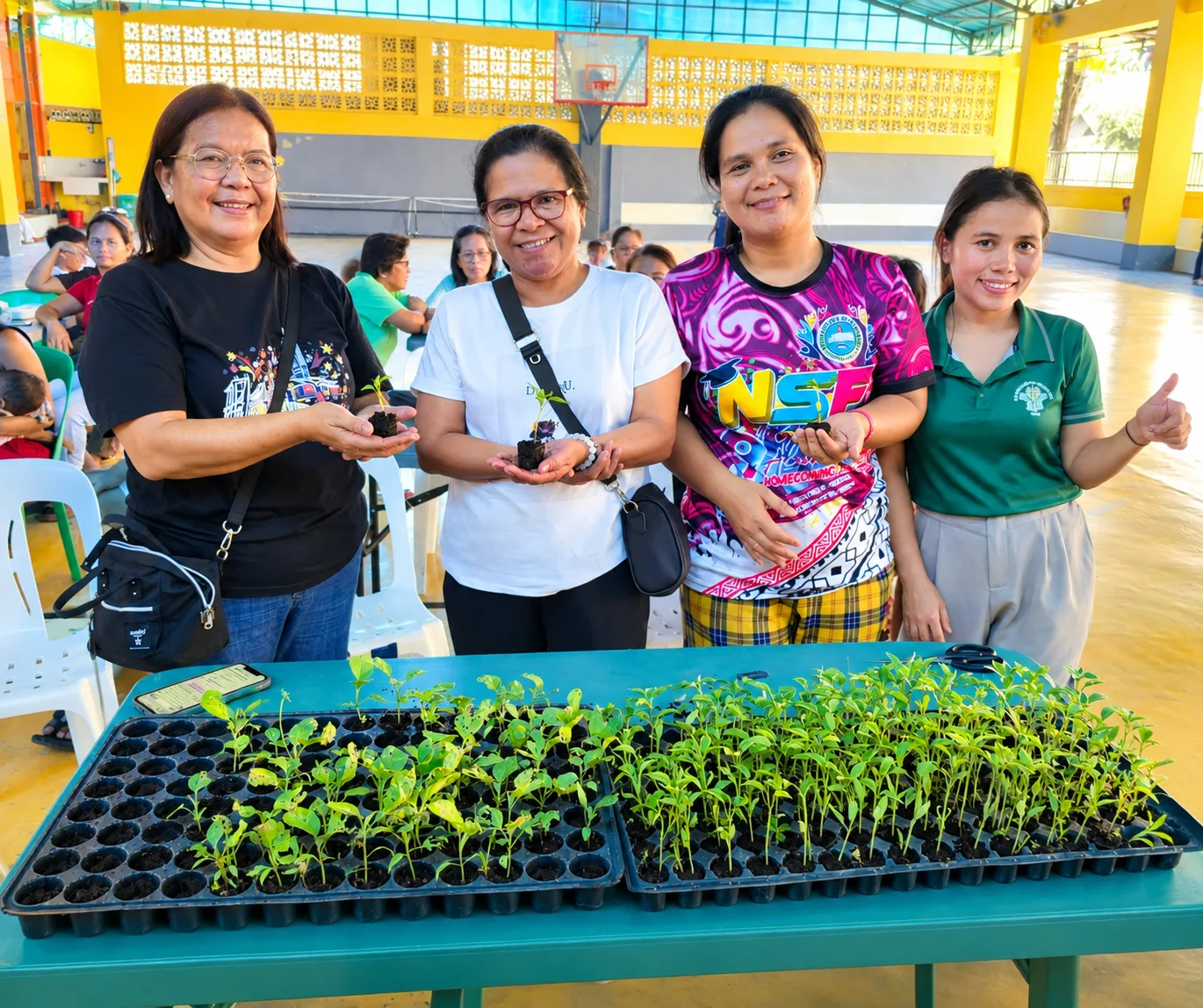
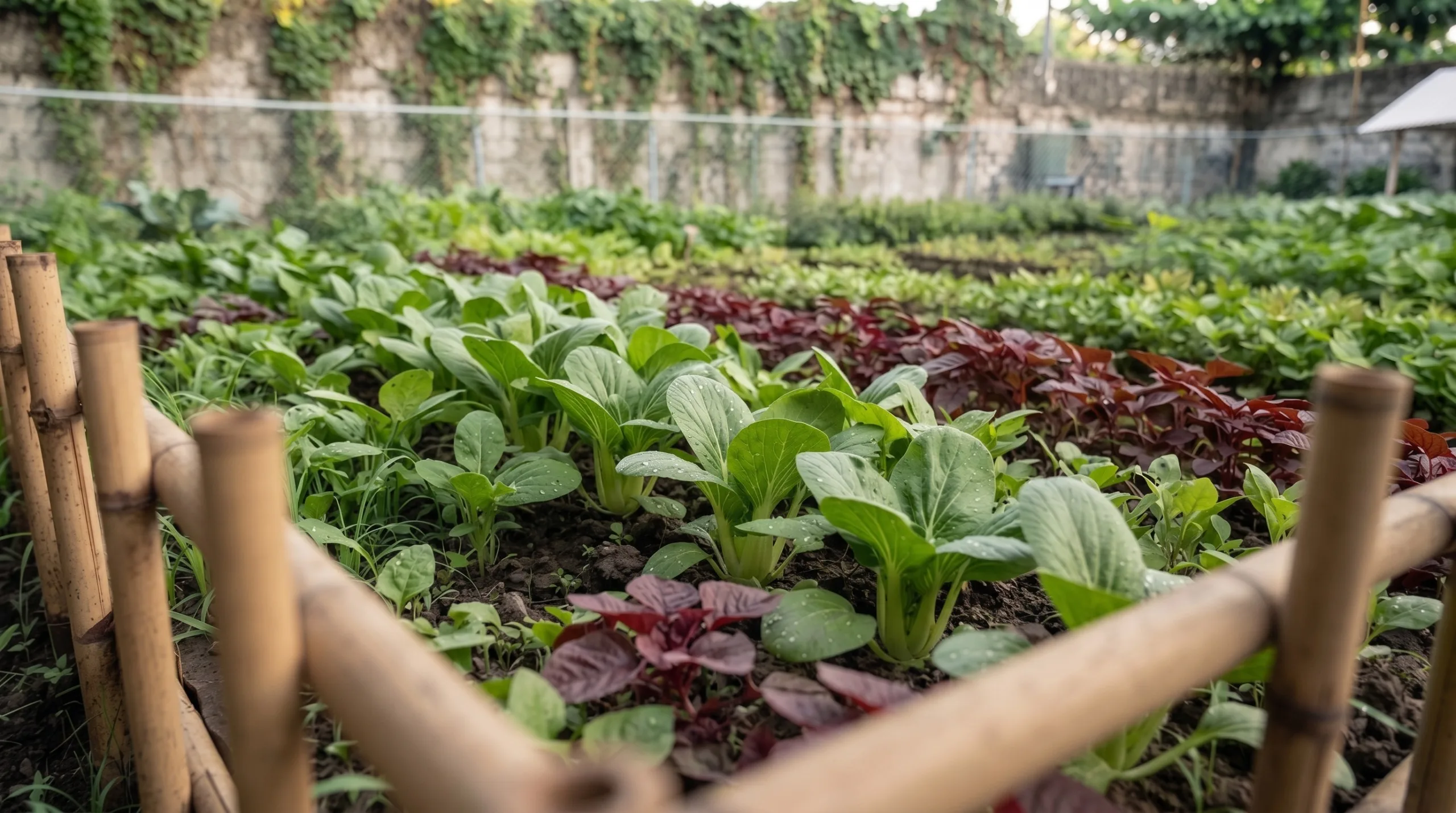
BACOLOD - Urban agriculture allows residents and community organizations to transform small or unused spaces into areas for growing food. Vegetables, herbs, fruits, and other crops can be cultivated in household gardens, community plots, containers, or other appropriate spaces. These projects can be especially useful in neighborhoods where large areas of agricultural land are unavailable. Beyond the harvest itself, gardening can encourage residents to learn about planting, composting, soil care, and responsible water use. Community gardens can also give neighbors an opportunity to work together, share knowledge, and develop a stronger connection with the food they consume.
Supporting Food Awareness and Community Participation
Urban gardening can also contribute to food awareness and community resilience by showing residents how food is grown and encouraging them to consider where their meals come from. Schools and community groups can use gardens as practical learning spaces where children and adults can explore topics such as nutrition, agriculture, biodiversity, and environmental responsibility. Harvests may also supplement household food needs, depending on the size and productivity of the garden. While urban agriculture cannot replace large-scale farming or provide all of a city's food requirements, it can complement existing food systems while creating small, locally managed sources of fresh produce. More importantly, the shared work involved in maintaining a garden can bring residents together around a common goal.
Greener Neighborhoods Through Local Action
The value of urban agriculture extends beyond food production because gardens can also contribute to greener and more engaging communities. Plants can add greenery to residential areas, while composting and responsible gardening practices can encourage better waste management and environmental habits. Community gardens can also become gathering places where residents meet, exchange ideas, and participate in local projects. For Bacolod, supporting appropriate urban agriculture initiatives can be part of a broader effort to make communities more sustainable while maintaining the city's connection to agriculture and the natural environment. Whether it is a small backyard garden or a community-supported growing space, urban agriculture shows how local action can turn even limited urban spaces into places that provide food, learning, greenery, and stronger community connections.