The Visayan Hornbill: A Symbol of Negros' Forests
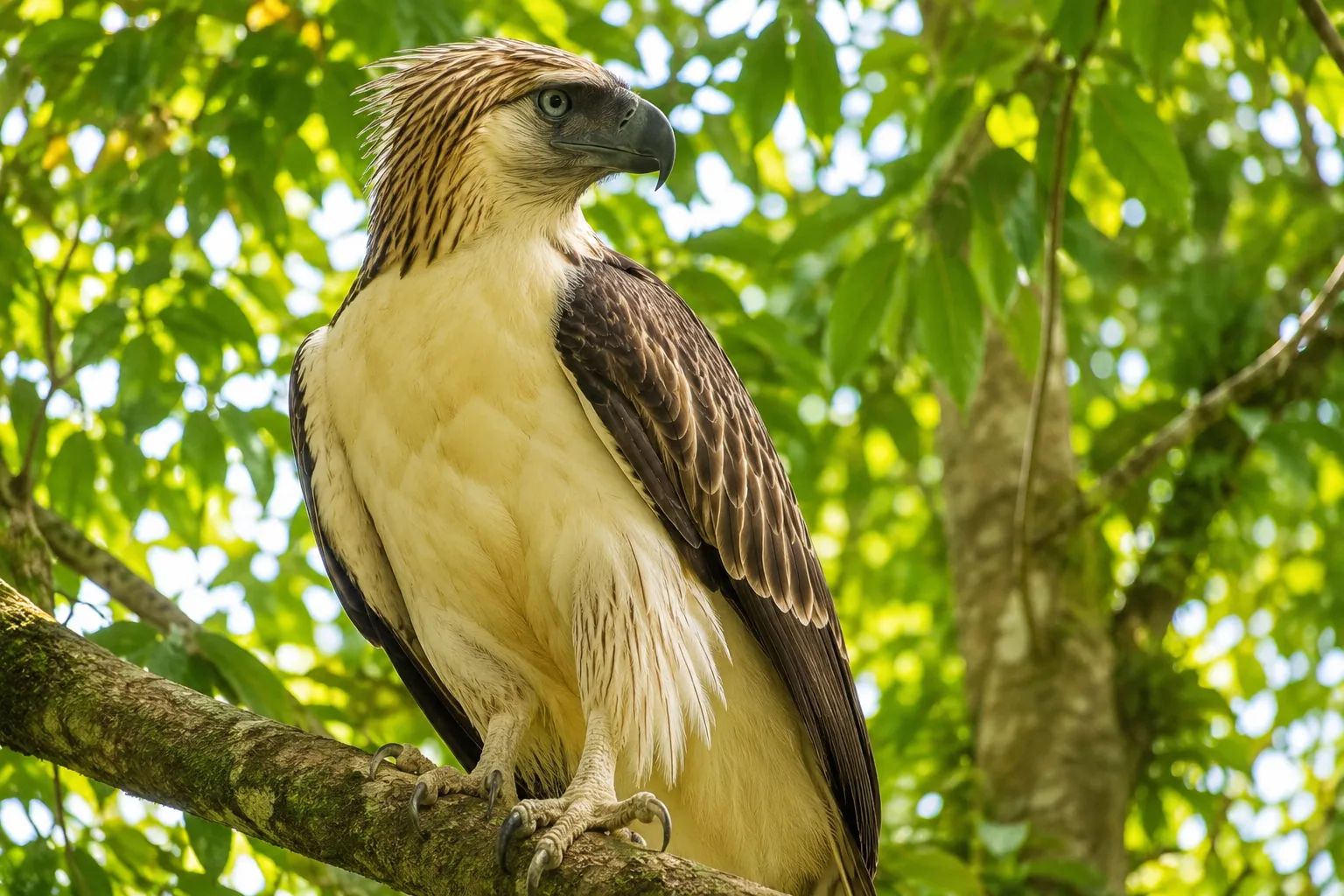
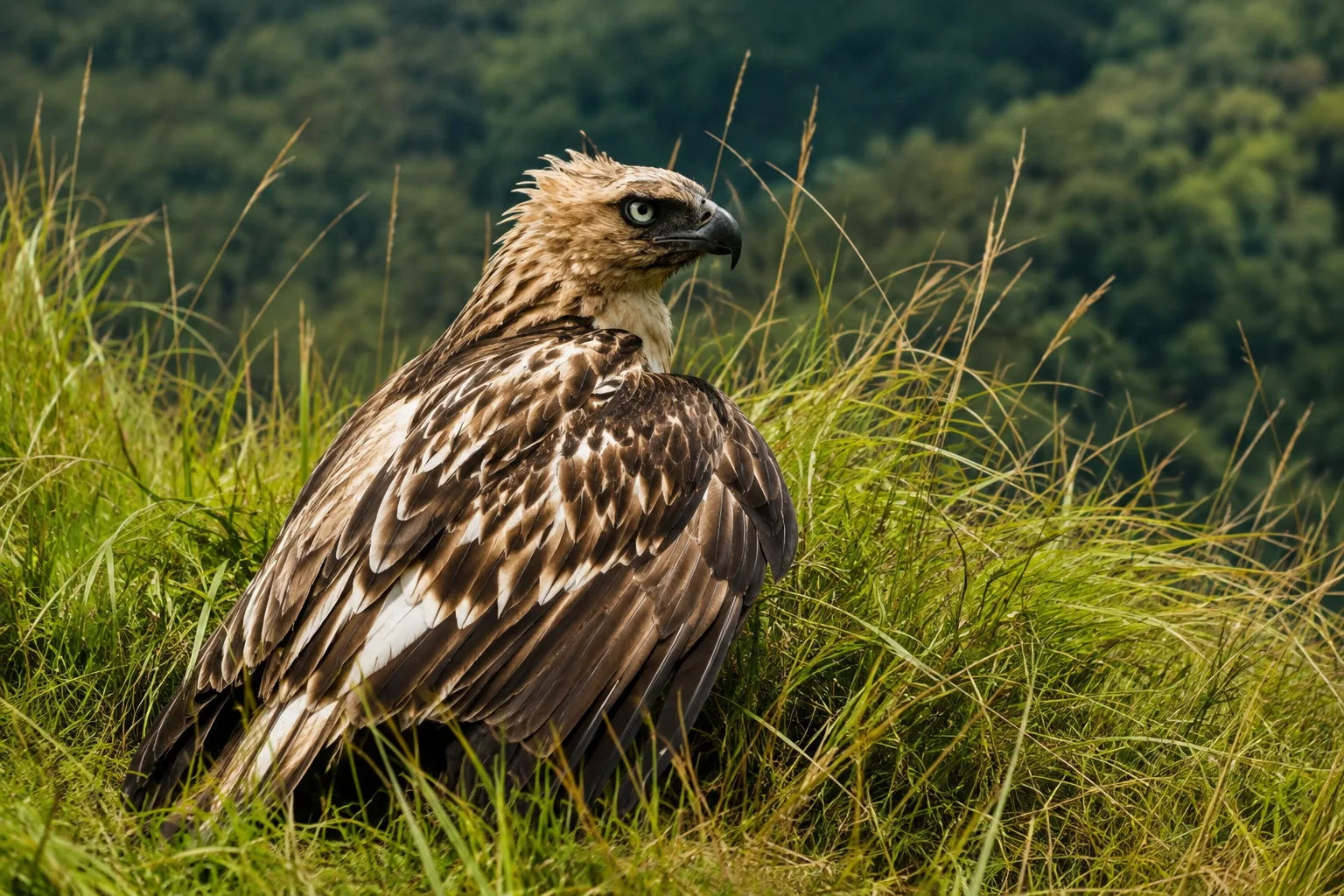
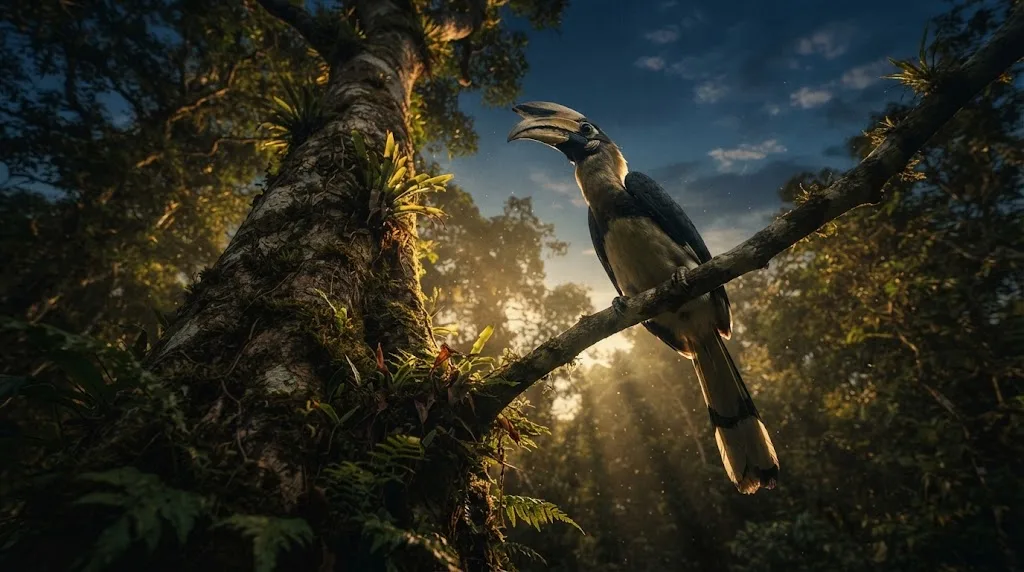
BACOLOD - The Visayan hornbill (Penelopides panini), also known as the Visayan tarictic hornbill, is one of the birds associated with the remaining forests of the Western Visayas. It is a relatively small hornbill compared with some other Philippine species, but its presence carries enormous conservation importance because its population has been affected by habitat loss and other pressures. Negros is particularly significant for conservation efforts involving native forest birds, as remaining forest fragments provide important refuge for species that depend on mature trees and healthy ecosystems. Seeing a hornbill in the wild is therefore more than simply spotting an attractive bird—it can be a reminder of the importance of protecting the forests that support it.
Other Birds Worth Looking For
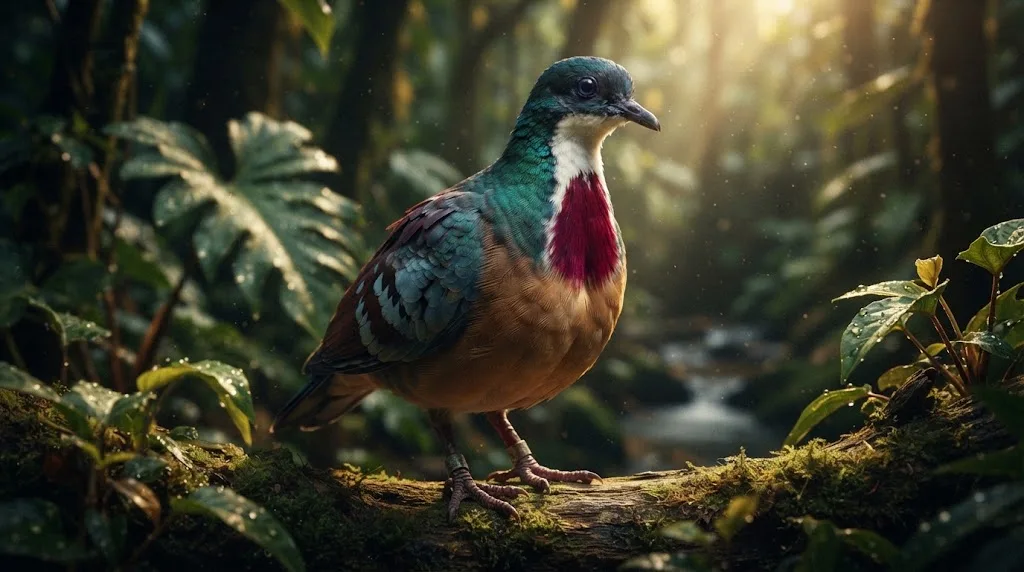
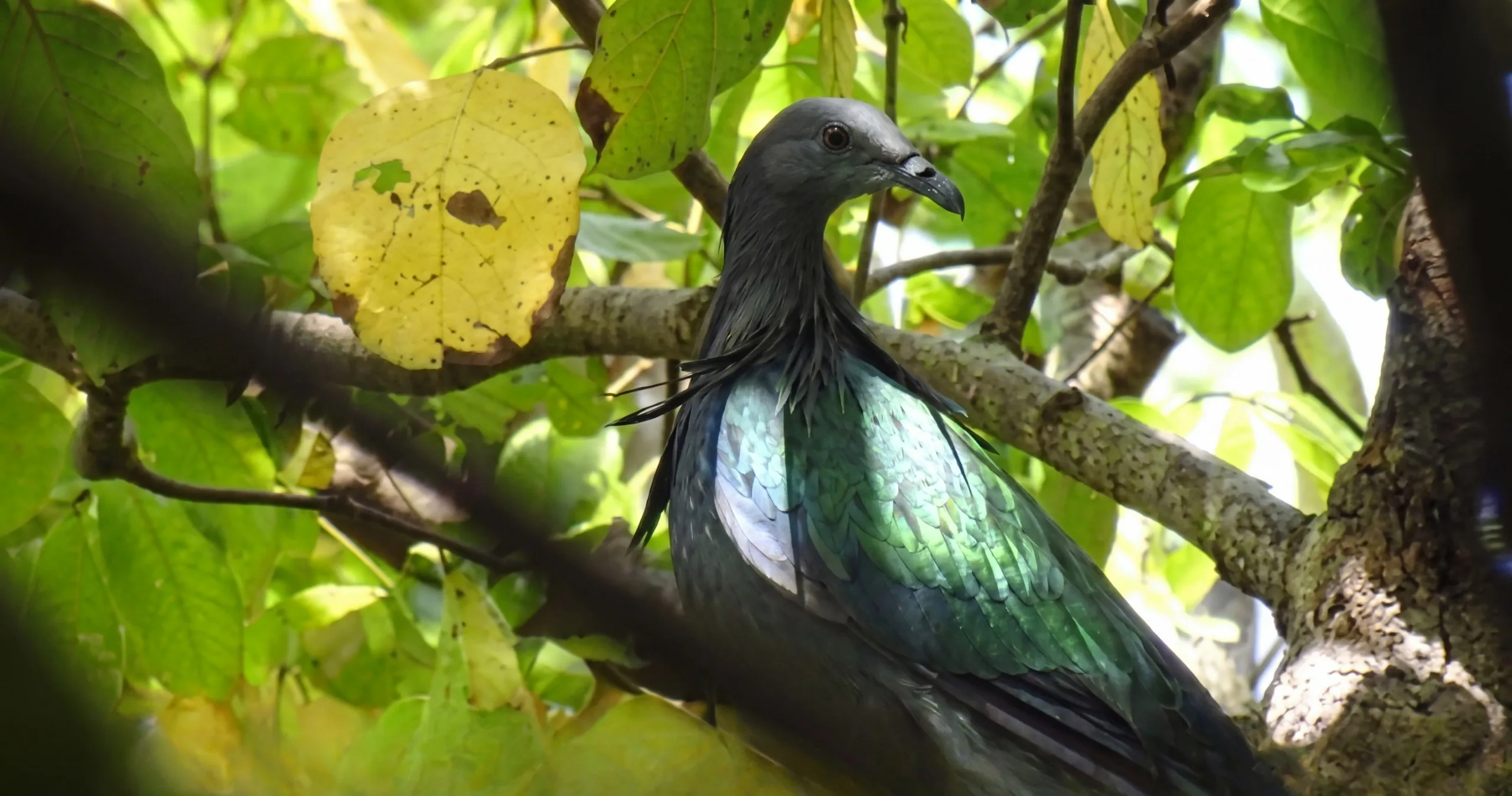
Hornbills are not the only birds that make Negros interesting for birdwatchers. The island's forests and surrounding habitats support a variety of native and endemic Philippine birds, including fruit-eating birds, forest pigeons, kingfishers, sunbirds, woodpeckers, and other species adapted to different ecological niches. Among the conservation highlights is the Negros bleeding-heart, a critically endangered ground-dwelling pigeon endemic to Negros and Panay. The Negros bleeding-heart is especially important because its survival is closely connected to the protection and restoration of suitable forest habitat. Birdwatching in the region can therefore introduce visitors to both common species and some of the Philippines' most threatened wildlife.
Why Protecting Negros' Birds Matters
The birds of Negros demonstrate how closely wildlife conservation and forest protection are connected. Birds help disperse seeds, pollinate plants, control insect populations, and contribute to the overall balance of forest ecosystems. Protecting their habitats also benefits countless other species that share the same forests. Visitors who want to experience Negros' birdlife should choose responsible wildlife activities, avoid disturbing nests or feeding wild birds, and follow the guidance of conservation groups and local authorities. For Bacolod travelers, exploring the island's natural side can become an experience that goes beyond simply taking photographs—it can provide a deeper appreciation of why Negros' remaining forests are worth protecting for future generations.