A City Where Food Becomes Part of the Culture
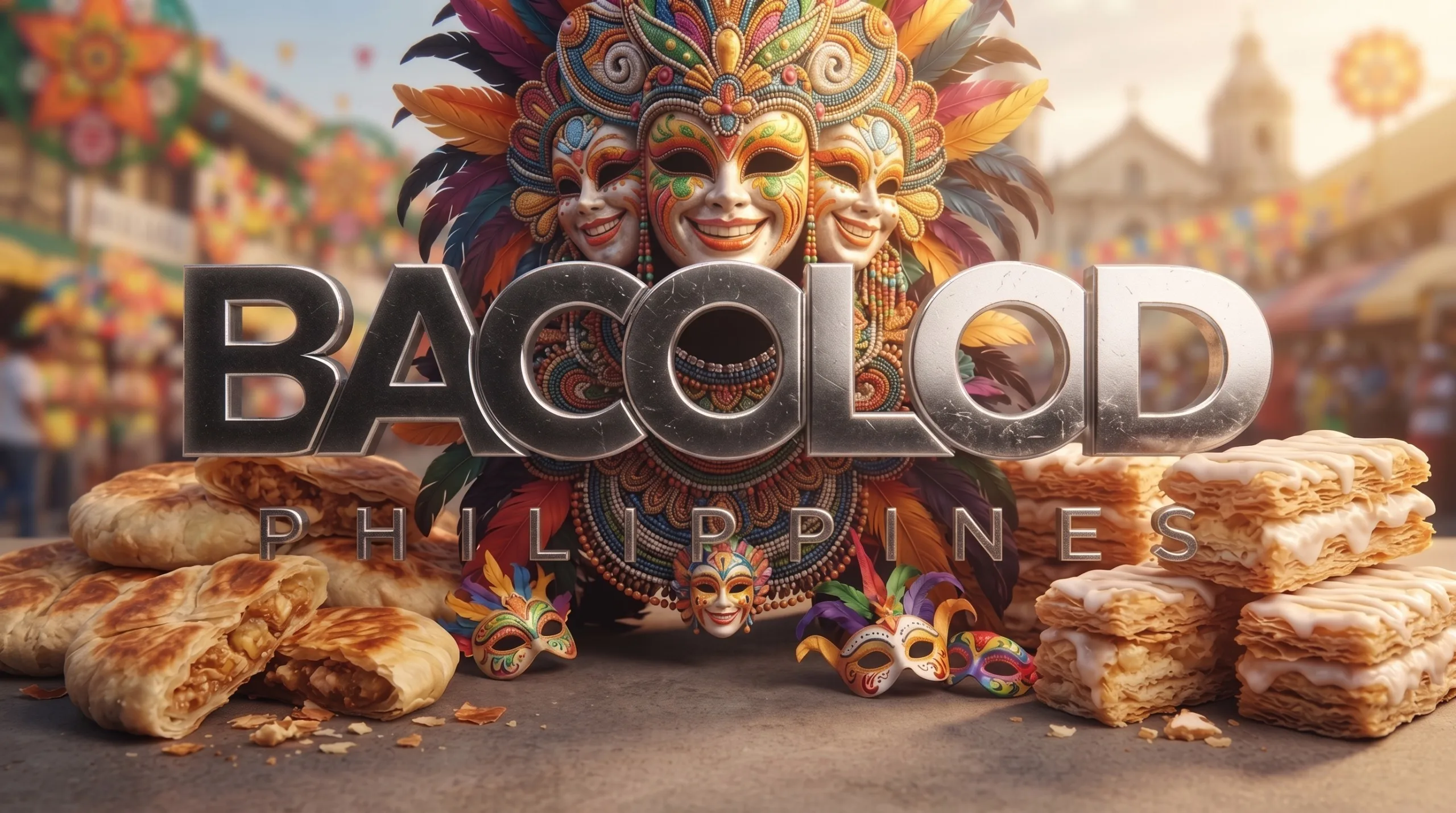
BACOLOD - One of the clearest things that distinguishes Bacolod is how strongly food is connected to local identity and social life. Chicken inasal is internationally recognized as a Bacolod favorite, but the city's culinary culture extends to dishes and delicacies such as kansi, piaya, Napoleones, and other Negrense specialties. Meals are often treated as opportunities to gather, talk, celebrate, and spend time with family and friends rather than simply as something to eat. The city's long relationship with the sugar industry has also influenced its pastries, sweets, and culinary traditions. Visitors can experience this food culture through restaurants, local eateries, markets, bakeries, and family-run establishments, making gastronomy one of the easiest ways to understand what makes Bacolod distinctive.
A Festival Identity Built Around Smiles
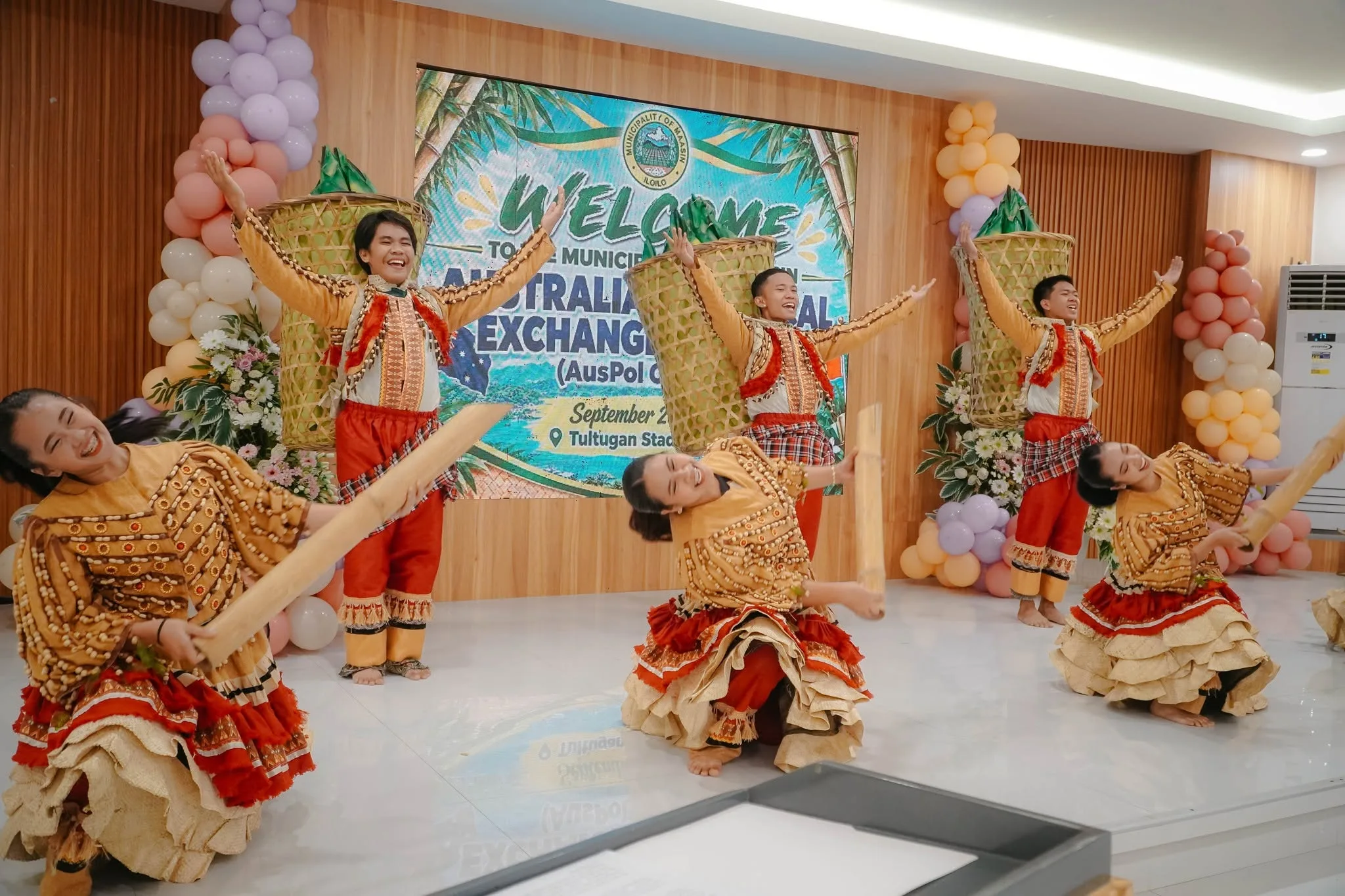
The MassKara Festival is another defining part of Bacolod's identity. Its colorful masks, dancing, music, costumes, and community celebrations have become symbols recognized far beyond Negros Occidental. What makes the festival particularly meaningful is its connection to the city's tradition of coming together and celebrating despite challenges. During festival season, streets and public spaces become places for performances, food, entertainment, and community activities. Beyond MassKara, Bacolod's cultural calendar and local celebrations demonstrate how important public gatherings remain to the city's social character. For visitors, experiencing these celebrations provides an opportunity to see Bacolod not merely as a tourist destination but as a community that enjoys expressing its identity collectively.
The Combination of Hospitality, Heritage, and a Relaxed Lifestyle
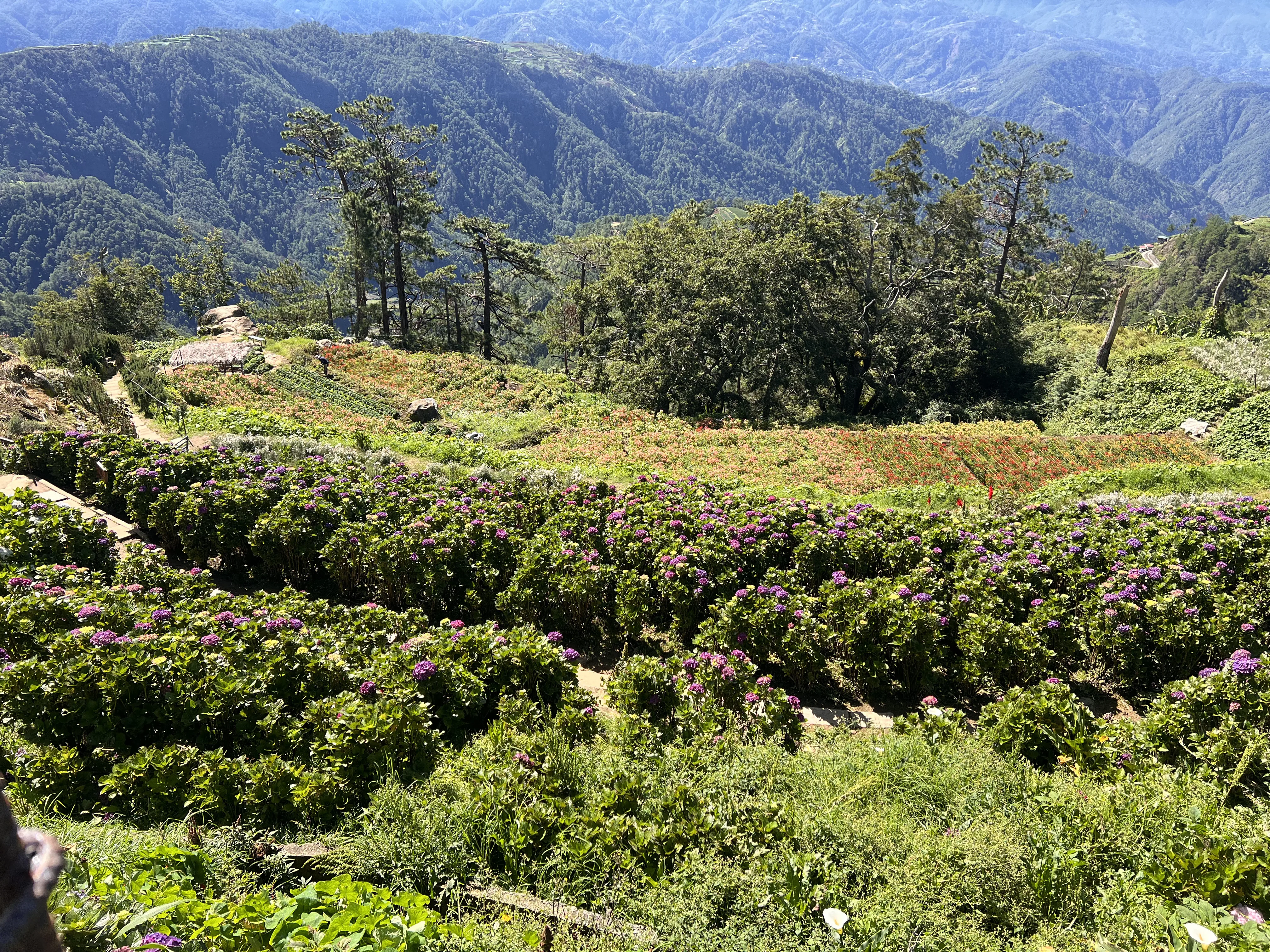
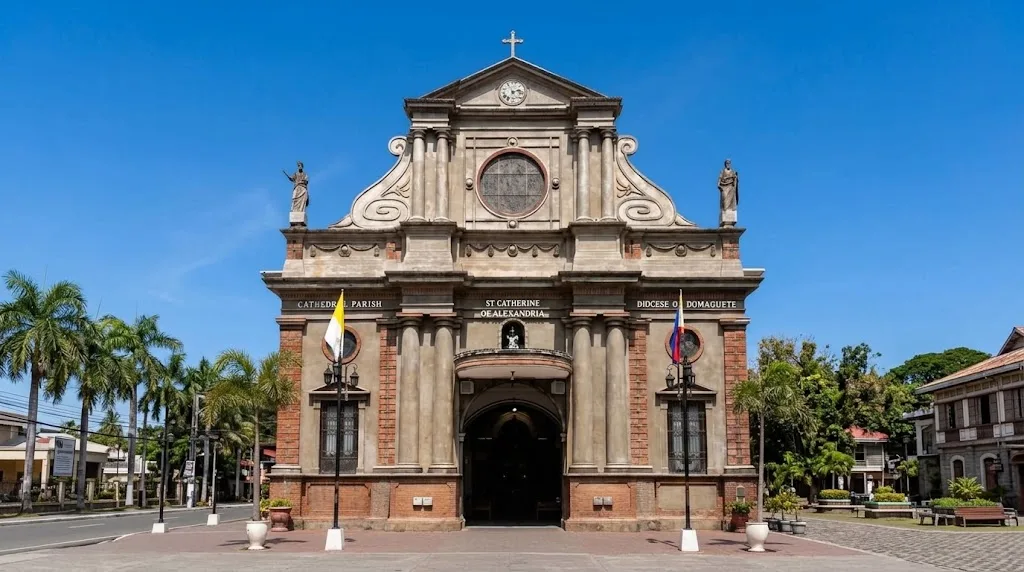
Perhaps what makes Bacolod most distinctive is the combination of its friendliness, heritage, food, and everyday pace of life. The city's connection to the sugar industry can be seen through its history, ancestral properties, heritage destinations, and surrounding landscapes, while modern restaurants, cafés, commercial centers, and residential communities show how Bacolod continues to develop. At the same time, visitors can still find opportunities to slow down, talk with locals, enjoy a long meal, explore cultural destinations, or take a trip into the greener areas surrounding the city. Bacolod's identity is therefore not based on one attraction or tradition alone. It comes from the way history, food, celebrations, hospitality, community, and modern city life exist alongside one another, giving travelers a reason to experience the City of Smiles at a pace that feels distinctly its own.