Traditional Ingredients Create Distinctive Flavors
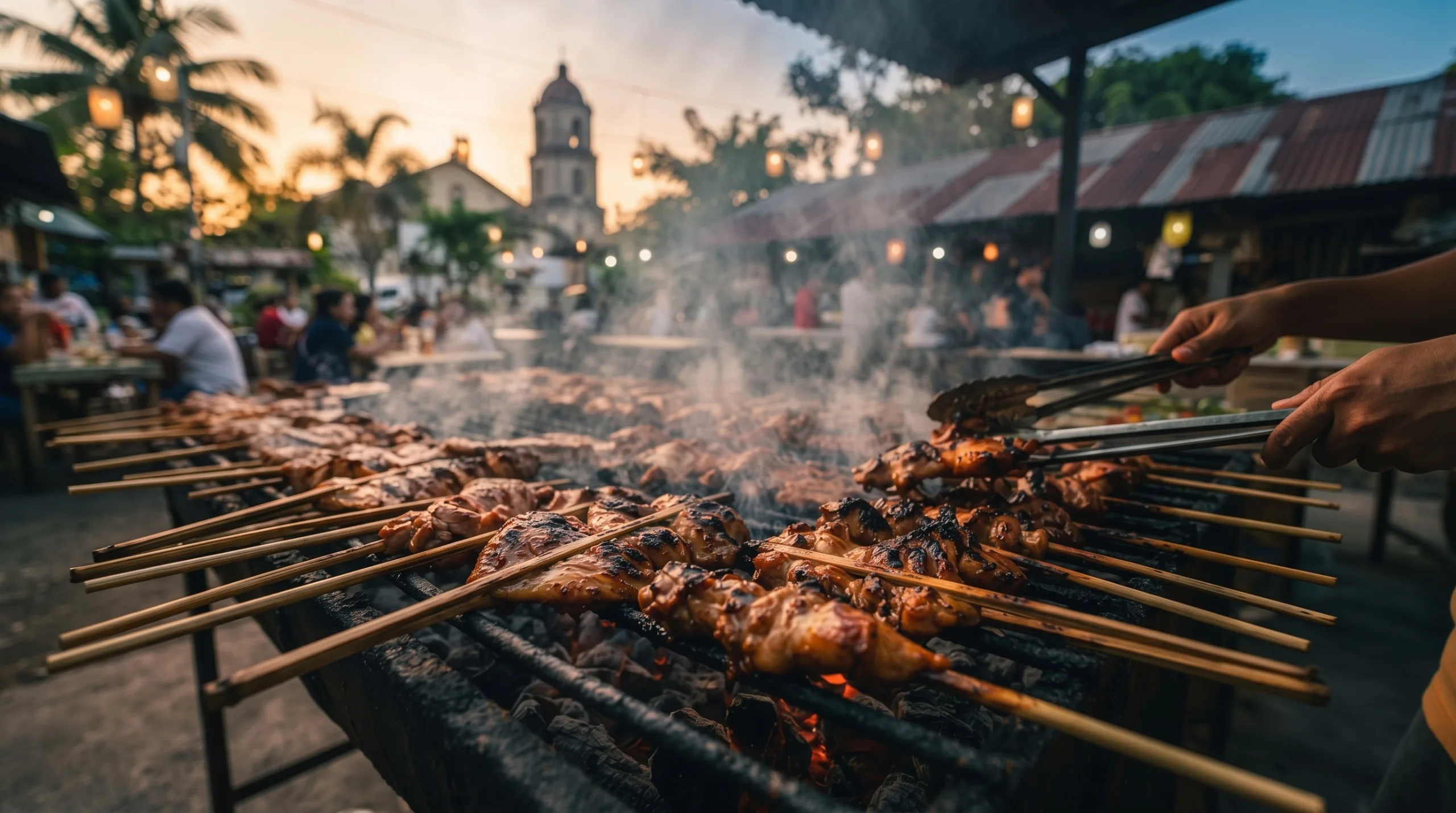
BACOLOD - Native chicken dishes can have a different texture and flavor from preparations made with commercially raised poultry. Depending on the bird and cooking method, the meat may be firmer and require a longer cooking time. In Bacolod-style chicken inasal, the marinade commonly combines ingredients such as calamansi, vinegar, garlic, ginger, lemongrass, and other seasonings. Annatto oil gives the chicken its familiar golden-orange color, while charcoal grilling adds a smoky aroma. The balance of tanginess, savory seasoning, and grilled flavor helps distinguish the dish. However, chicken inasal does not automatically use native chicken; the poultry type and the cooking style are separate aspects of the preparation.
From Local Grills to Familiar Food Destinations
Food destinations such as Manokan Country and eateries around central Bacolod provide opportunities to experience the city's grilling tradition. Diners can explore different cuts, marinades, dipping sauces, and serving styles, often accompanied by rice and chicken oil. Beyond restaurants, native chicken dishes may also appear in home kitchens and family celebrations across Negros Occidental, where recipes can vary between households. These variations reflect how local cooks adapt ingredients and techniques to their preferences and available supplies. For visitors, comparing different preparations can reveal how a familiar ingredient takes on different characteristics depending on the recipe and cooking process.
Preserving Food Traditions Through Everyday Dining
Bacolod's chicken dishes represent more than a popular meal; they connect food businesses, agricultural producers, cooks, and generations of families. The city government declared chicken inasal a cultural property of Bacolod in 2022, recognizing its significance to local identity and culinary heritage. Restaurants, community celebrations, and family cooking traditions all help keep these food practices visible to residents and visitors. Supporting local food businesses and learning about the ingredients behind traditional recipes can also encourage greater appreciation for the people involved in producing and preparing food. Whether served as native chicken stew, a home-style grilled dish, or classic inasal, chicken remains an important part of the region's evolving food culture.