When Ordinary Streets Start Changing
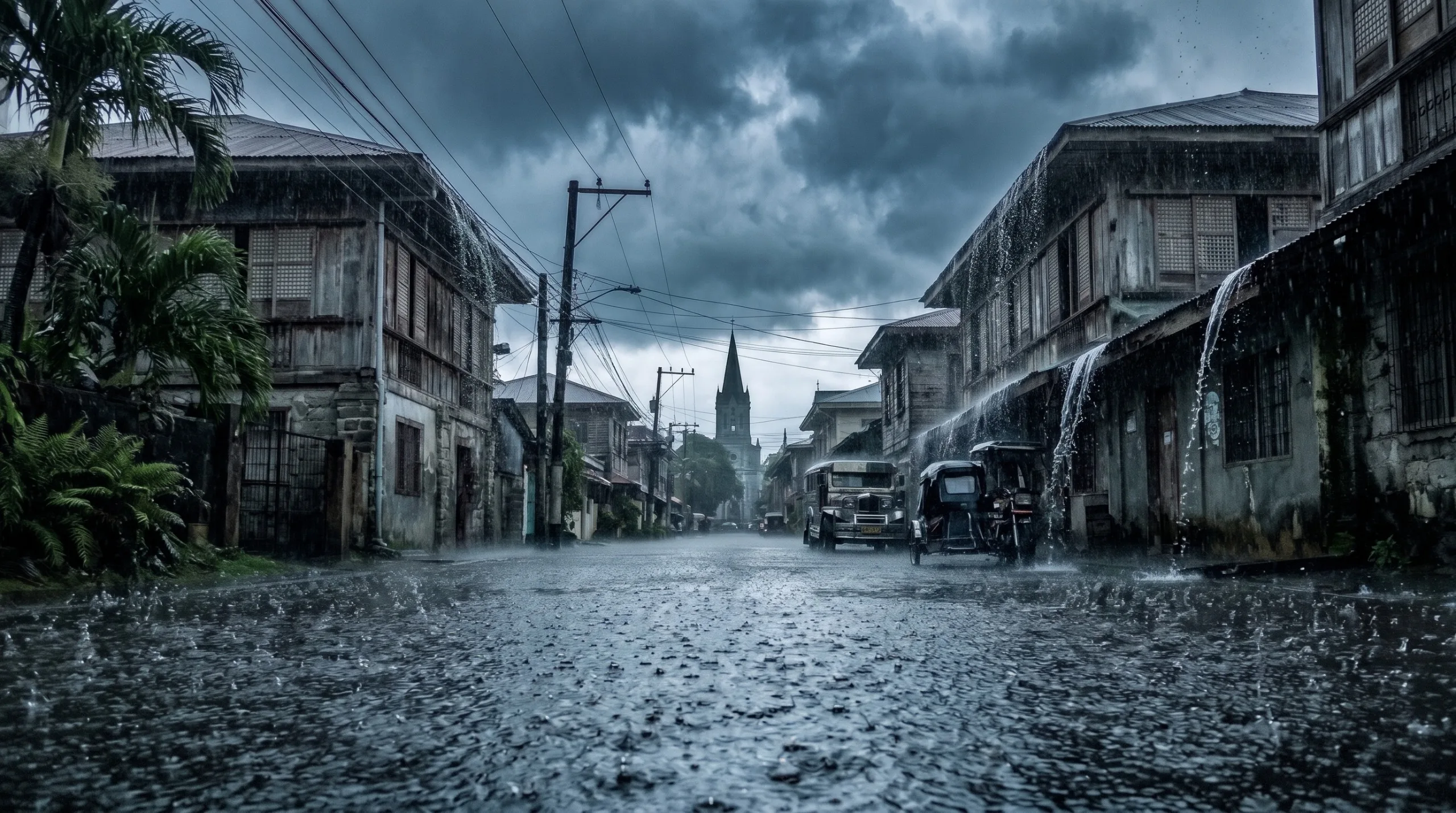
BACOLOD - A familiar street can look completely different during intense rainfall. Water can accumulate around roads, entrances, sidewalks, and low-lying sections, making regular routes harder to use. Residents may need to adjust travel plans, protect belongings, and check on family members who could be more vulnerable during bad weather. For neighborhoods near waterways, the situation can require even greater attention as creek and river levels respond to sustained rainfall. Knowing which areas have experienced flooding before can help residents recognize potential trouble earlier.
Drainage Becomes Everyone's Concern
A neighborhood's ability to handle rain depends partly on drainage, waterways, roads, and other infrastructure, but residents also have a role to play. Leaves, plastic, food packaging, and other waste can obstruct drains and contribute to water buildup. Keeping drainage areas clear and disposing of garbage properly can help prevent avoidable blockages. Communities can also report clogged drainage, damaged infrastructure, or unusual water accumulation to the appropriate local authorities. Small actions may seem insignificant individually, but they become more meaningful when an entire neighborhood participates.
Prepared Communities Handle Rain Better
The most effective response to heavy rain often begins before the clouds become threatening. Families can prepare emergency supplies, protect important documents, keep communication devices charged, and discuss where they would go if evacuation becomes necessary. Residents should also monitor official weather and local safety advisories rather than relying on unverified information. Heavy rain may be unavoidable, but its impact can be reduced when neighborhoods know their risks and look out for one another. A prepared community does not have to fear every dark cloud—it simply knows how to respond when the rain becomes a challenge.