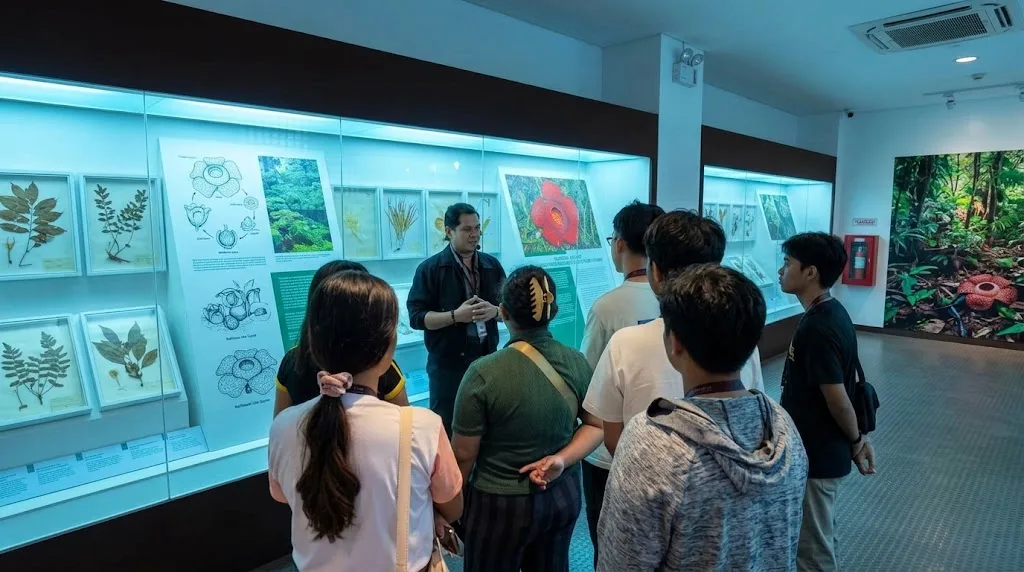
Architecture and history came together in Dumaguete as students from Foundation University’s Department of Architecture and Fine Arts visited the National Museum of the Philippines–Dumaguete on September 15. The educational visit gave students an opportunity to explore the museum galleries while learning more about the history, architecture, and design of the Old Presidencia Building, one of Dumaguete’s important heritage landmarks.
Students Discover the Story Behind the Old Presidencia
The group was accompanied by Ar. Griezl Bation as they explored the galleries of the National Museum Dumaguete. The visit focused not only on the museum's collections but also on the story behind the historic building itself. For architecture students, seeing the Old Presidencia firsthand provides an opportunity to connect classroom lessons about design, heritage, and built environments with an actual historical structure.
A Historic Landmark in the Heart of Dumaguete
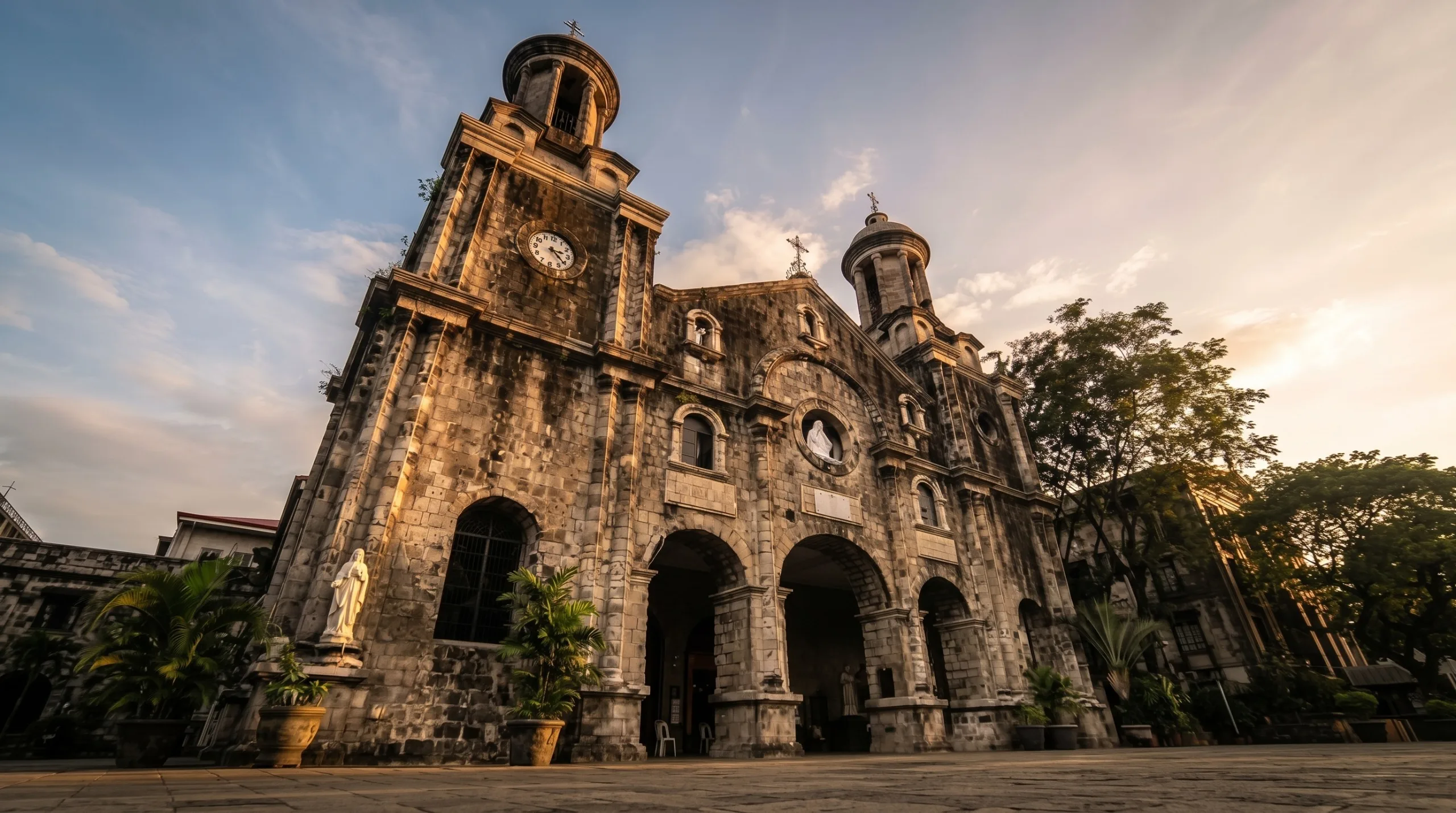
The Old Presidencia Building was designed by renowned Filipino architect Juan Arellano and constructed in 1937. Its architectural design combines local and Western influences with a neoclassical style that was prevalent during the American period. The building was declared an Important Cultural Property in 2019. Today, the historic structure serves as the home of the National Museum of the Philippines–Dumaguete, allowing the building itself to become part of the cultural and educational experience for museum visitors.
Where Architecture Becomes Part of the Lesson
For students studying architecture and fine arts, heritage buildings can provide valuable opportunities to examine how design, history, and cultural identity intersect. The Old Presidencia offers a tangible example of how a historic structure can be preserved while being given a present-day function. The National Museum describes its Dumaguete branch as a destination for culture, with exhibitions covering the natural heritage of Negros, archaeology, and architecture through built-heritage displays. The September 15 visit allowed the students to experience these ideas within an actual heritage setting while exploring the museum's galleries.