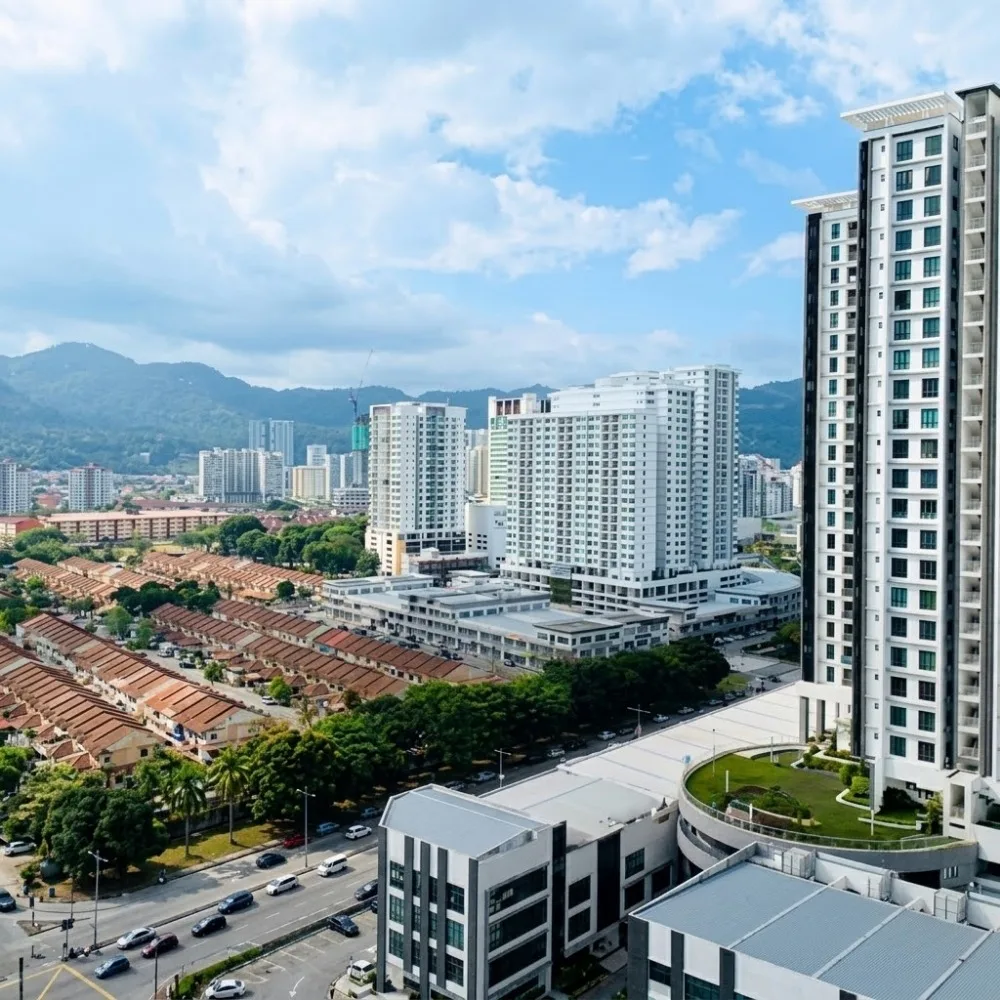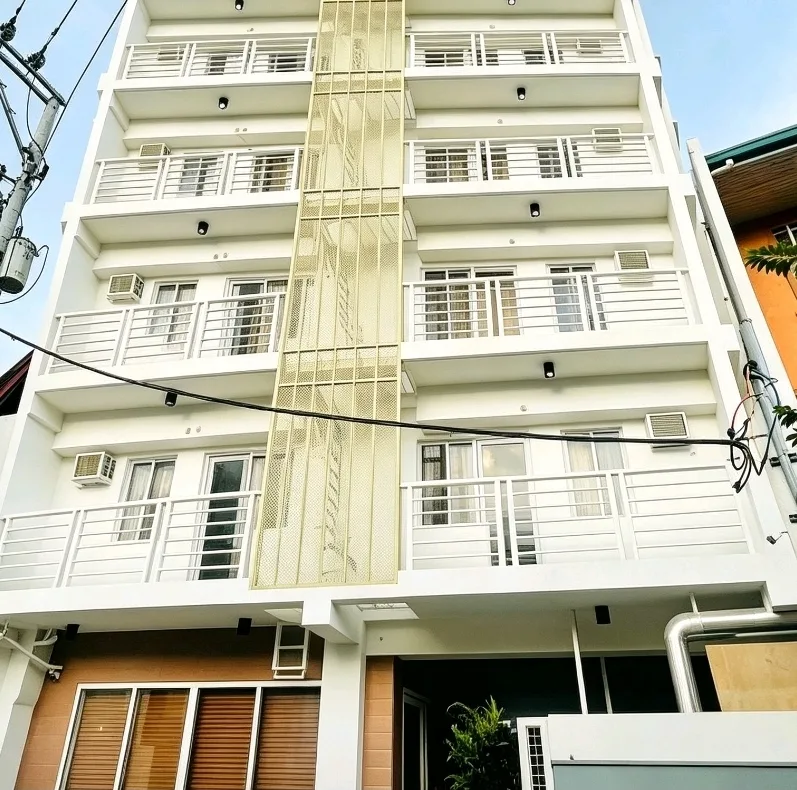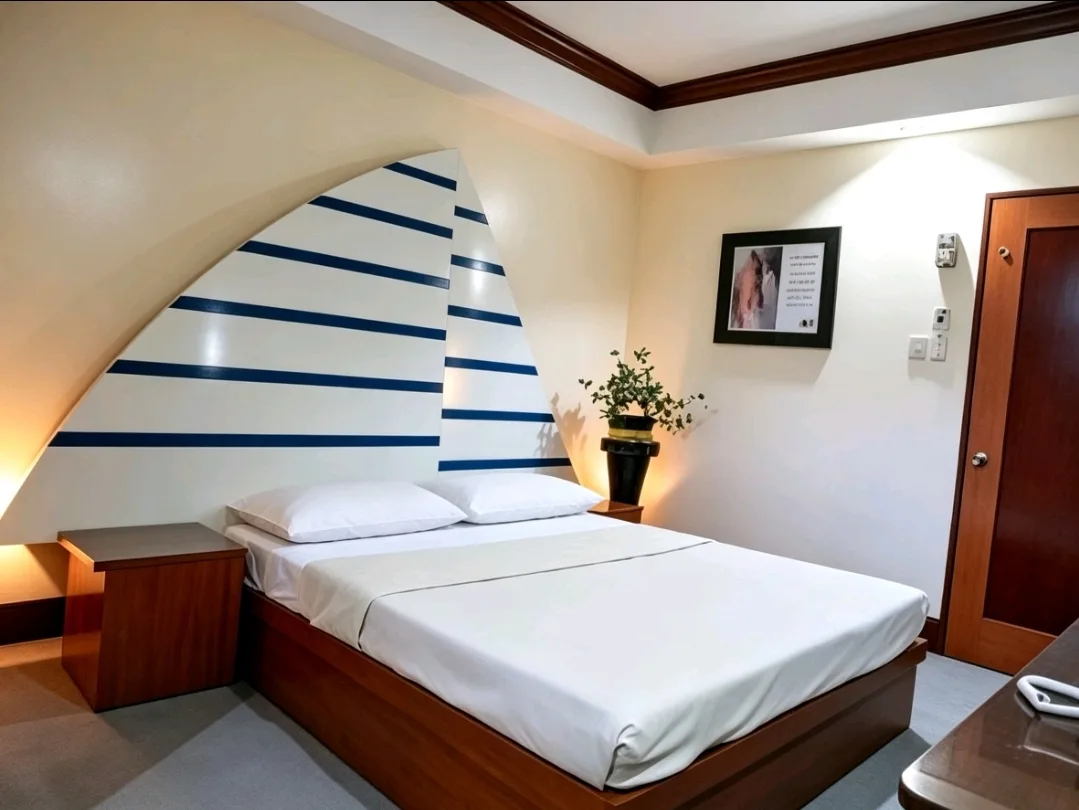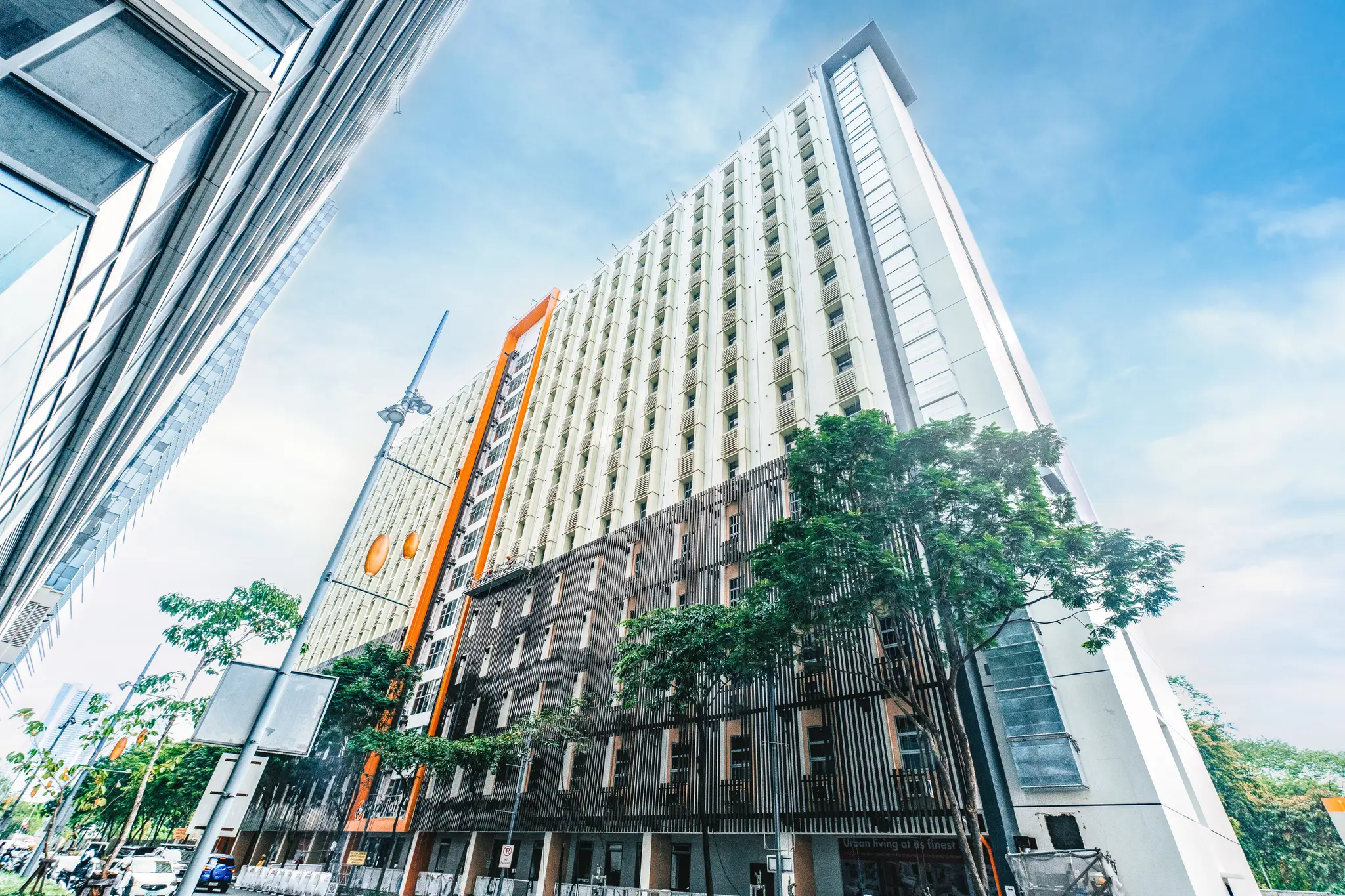
Bonifacio Global City (BGC) has emerged as one of Metro Manila's leading centers for business, lifestyle, and tourism. As travel preferences continue to evolve, visitors increasingly seek accommodations that offer flexibility, convenience, and opportunities for social interaction. Among the developments that reflect this trend is CityFlats BGC, a modern residential and accommodation concept that caters to professionals, digital nomads, students, and long-term travelers. Through its innovative approach to urban living, CityFlats BGC contributes to the growth of co-living tourism in Bonifacio Global City.
Promoting Co-Living Tourism
Co-living tourism refers to travel experiences that combine accommodation with shared living spaces designed to encourage community engagement and collaboration. Unlike traditional hotels, co-living spaces provide guests with private living areas alongside shared amenities such as lounges, workspaces, kitchens, and recreational facilities. CityFlats BGC supports this emerging tourism segment by offering accommodations that promote both comfort and social connectivity, making it attractive to travelers who value flexibility and community-oriented experiences.
Meeting the Needs of Modern Travelers
The rise of remote work, digital entrepreneurship, and extended travel has increased demand for accommodations that support both living and working needs. CityFlats BGC addresses these preferences by providing modern facilities, reliable connectivity, and convenient access to business districts, commercial centers, and lifestyle destinations. Guests can enjoy a balanced environment where they can work, relax, and interact with fellow residents, enhancing their overall travel experience.
Enhancing Urban Tourism Experiences
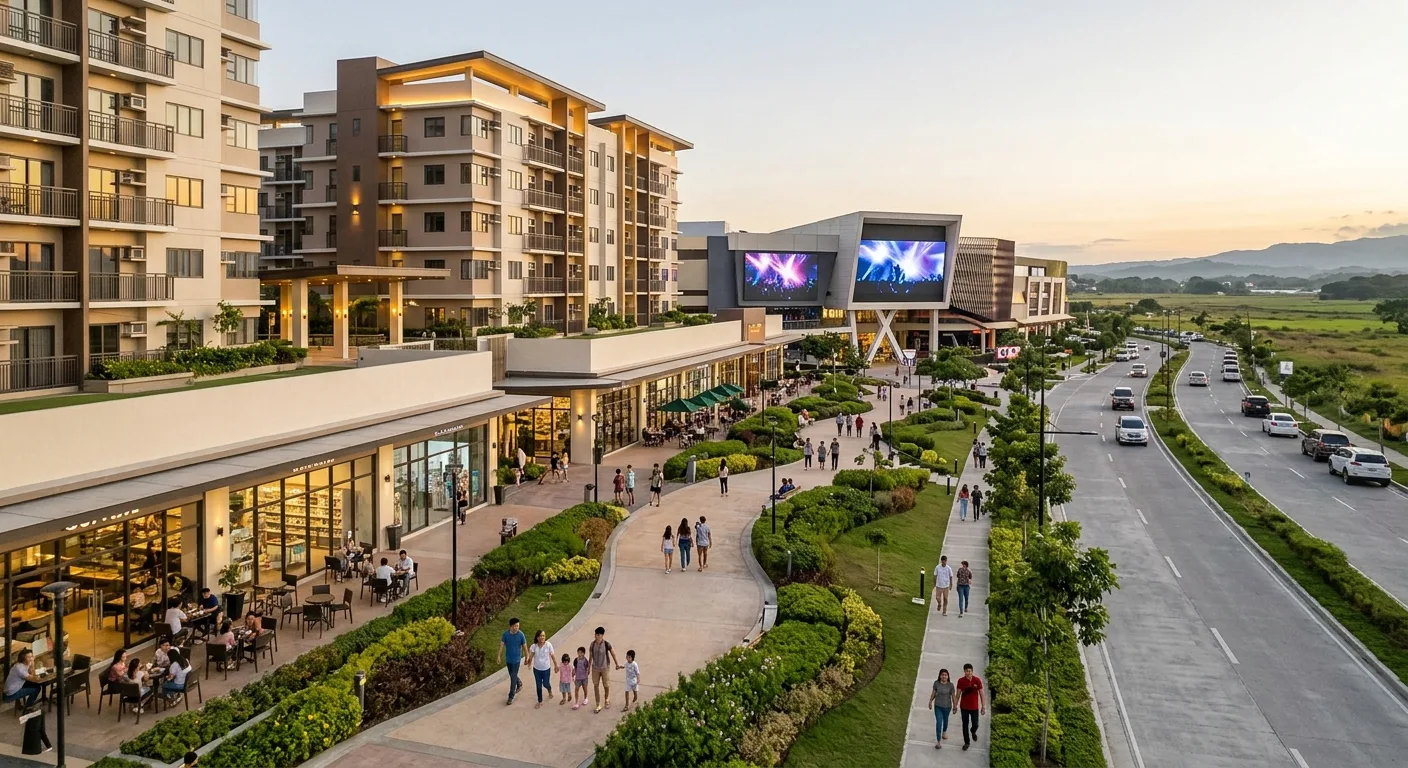
Co-living accommodations encourage visitors to immerse themselves in the local environment for longer periods. CityFlats BGC allows guests to experience everyday life in Bonifacio Global City while maintaining access to parks, restaurants, shopping centers, and cultural attractions. This extended engagement helps visitors develop a deeper appreciation for the district and contributes to a more meaningful form of urban tourism.