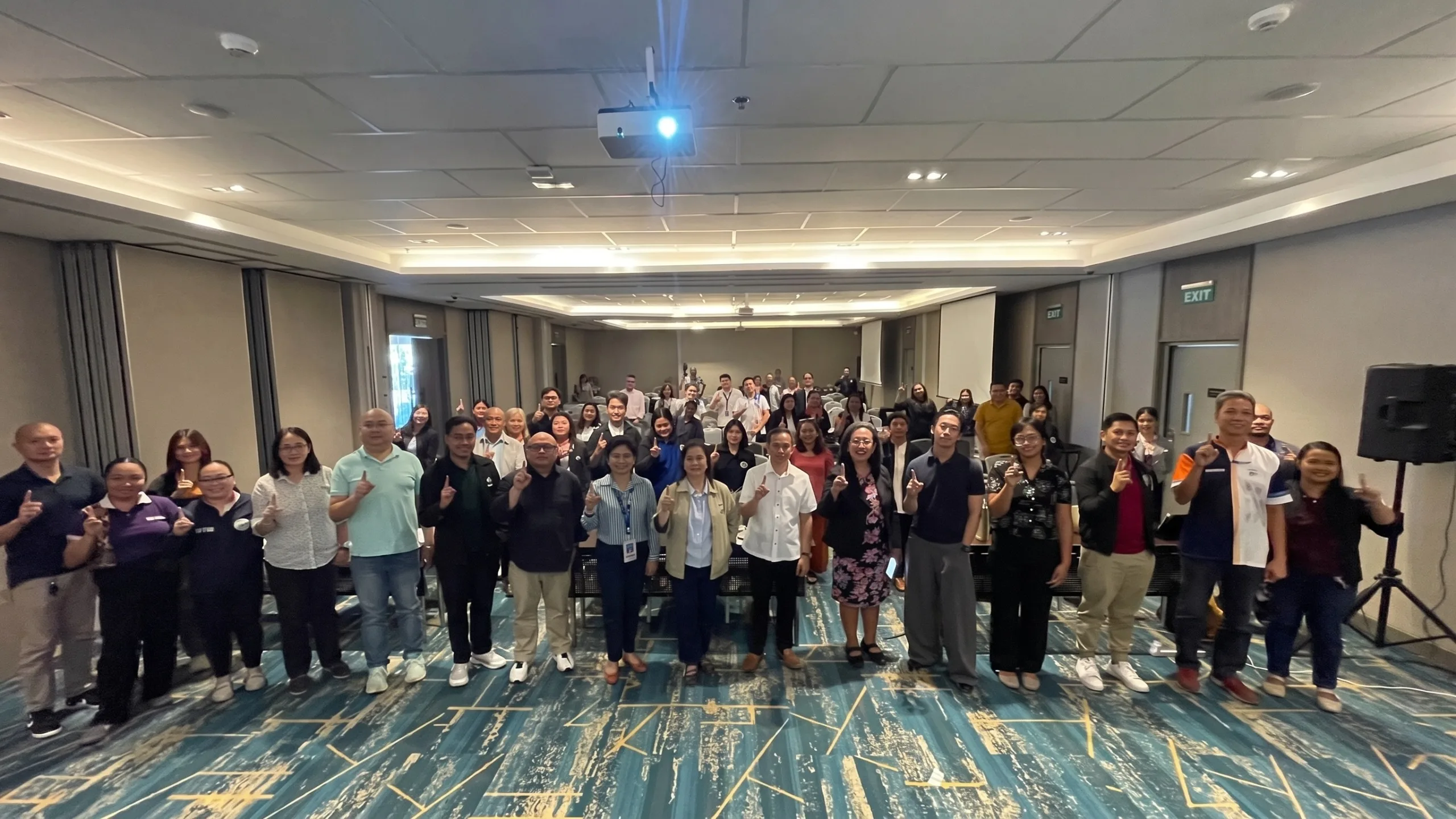
Getting documents notarized is entering a new digital era as the Supreme Court (SC) and the Integrated Bar of the Philippines (IBP) launched electronic notarization, or eNotarization, in Taguig City on October 19, 2026. The initiative aims to make notarial services more convenient and efficient by allowing qualified notaries public to notarize electronic documents through secure digital platforms, including remote sessions conducted via videoconferencing. The nationwide rollout marks a significant step in modernizing legal services in the Philippines. By using digital technology, the initiative seeks to improve public access to notarization while maintaining safeguards to protect the authenticity and integrity of legal documents.
Bringing Notarial Services Into the Digital Age
Under the Supreme Court’s Rules on Electronic Notarization, qualified and commissioned Electronic Notaries Public can perform authorized notarial acts involving electronic documents through accredited Electronic Notarization Facilities. Depending on the circumstances, the process may take place in person using electronic systems or remotely through videoconferencing. This digital option can make notarization more accessible for individuals and businesses that need to complete document-related transactions. It also reflects the judiciary’s broader efforts to use technology to improve the delivery of public services.
Keeping Digital Documents Secure
While eNotarization offers greater convenience, security remains an essential part of the process. The Supreme Court’s framework includes safeguards for verifying identities, protecting electronic records, and maintaining the integrity of notarized documents.
The system operates through accredited digital facilities and commissioned electronic notaries, helping ensure that electronic notarization follows established legal requirements. Traditional notarization remains available for paper documents with handwritten signatures, while notarial wills and depositions are excluded from the electronic notarization rules.
A Step Toward More Accessible Legal Services in Taguig
The launch in Taguig reflects the potential of digital innovation to make legal processes more convenient for the public. Electronic notarization provides an additional option for eligible transactions, helping people access authorized notarial services without always needing to complete the entire process in person. As the Philippines continues to adopt digital solutions across different sectors, eNotarization represents a practical development in legal service delivery. By combining technology, accessibility, and safeguards, the initiative aims to make certain notarial transactions more efficient while preserving the legal protections that notarization provides.