A Forest Built Along the Road
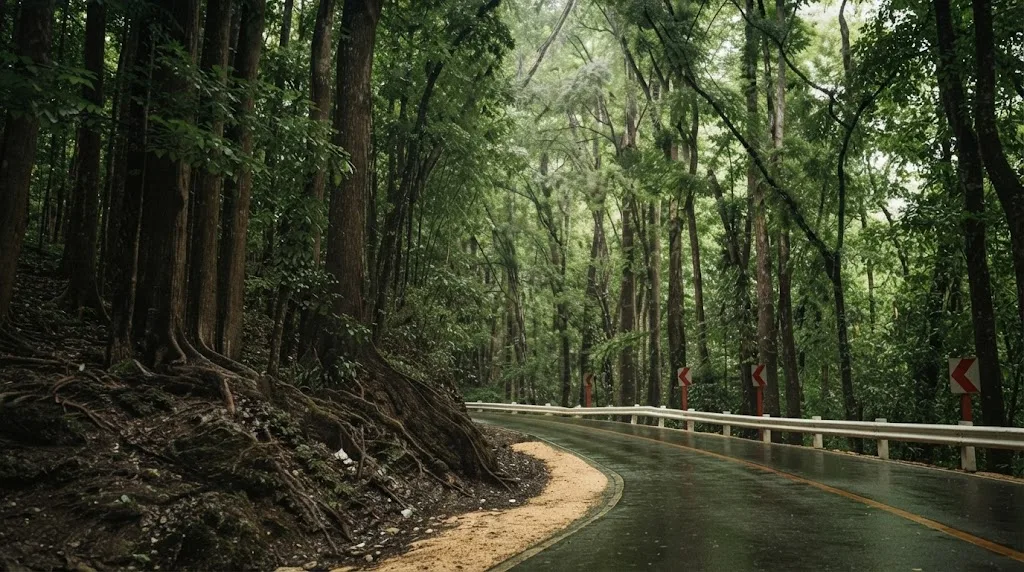
BOHOL - The Bilar Man-Made Forest stretches for about two kilometers along the road connecting Bilar and Loboc. The Bohol Provincial Tourism Office identifies it as being composed primarily of white and red mahogany trees planted as part of a reforestation initiative that began more than half a century ago. Today, the closely spaced trees form a canopy over both sides of the highway, producing the tunnel-like appearance that makes the area instantly recognizable. It is a reminder that some of Bohol’s most photographed landscapes are also products of long-term environmental work.
The Green Tunnel Has a Bigger Story
The forest becomes particularly striking because of the uniform rows of trees surrounding the road. Government tourism information notes that the forest was created after land in the area had been affected by slash-and-burn farming, with reforestation intended to help restore the landscape and watershed functions. The forest is therefore more than a scenic backdrop for passing vehicles; it represents a deliberate attempt to bring tree cover back to previously cleared hillsides. Its appearance today shows how dramatically a landscape can change over several decades when trees are allowed to mature.
Make It a Stop, Not Just a Photo
Bilar Man-Made Forest is already included in the official Bohol countryside-tour itinerary, which places it alongside other major stops on the route toward the Chocolate Hills. The provincial tourism office also lists nearby attractions in Bilar, including Logarita Spring and the Rajah Sikatuna Protected Landscape, making the municipality worth more than a quick drive-through. Visitors should remember that the forest borders an active highway, so stopping safely and avoiding standing in the roadway is important when taking photographs. For travelers exploring Bohol by land, the forest works best as a brief scenic pause that adds a different texture to the countryside journey.