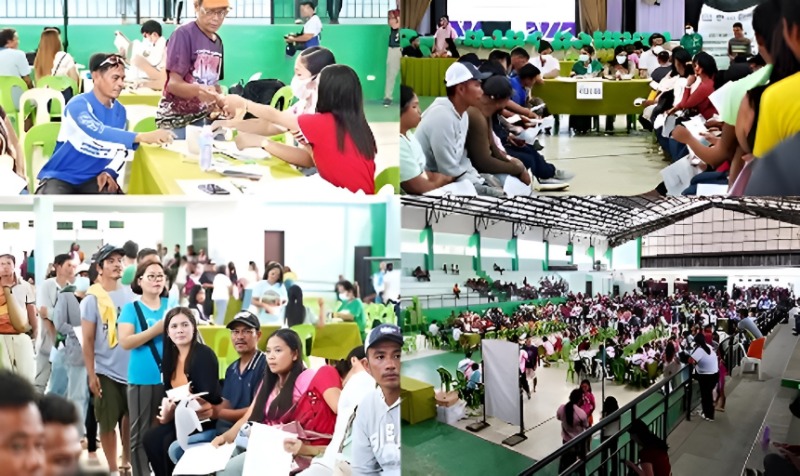
Bohol — The Inabanga Cultural Center transformed into a hub of relief on June 23, 2026, as 7,760 calamity‑affected families each received ₱10,000 in emergency housing assistance. The ₱77.6‑million payout is part of a province‑wide push to help communities rebuild and recover.
A Swift Response to Calamity
Families began arriving early at the cultural center, documents in hand, hopeful that the long wait for help was finally over. The National Housing Authority’s Emergency Housing Assistance Program made the distribution possible, targeting households whose homes were damaged by disasters. For many, the cash grant meant the difference between living in a broken shell and having a safe roof again.
The amount was not random. Each beneficiary’s home had been assessed by government evaluators as partially damaged, qualifying them for the ₱10,000 tier. The money will cover basic construction materials and labor, jump‑starting immediate repairs. The sight of neighbors receiving their envelopes carried a shared sense of relief.
How the Emergency Assistance Works
The NHA’s EHAP follows a strict damage‑based scale to ensure fairness. Homes with minor damage receive ₱5,000, while partially damaged structures qualify for ₱10,000. Those assessed as heavily damaged or completely destroyed can get up to ₱30,000. The Inabanga recipients all fell into the second category, having lost between 20 and 40 percent of their homes.
This assistance did not come without scrutiny. Local government workers profiled affected families, and NHA inspectors conducted on‑site validations before any cash was released. The multi‑step process aims to prevent fraud and guarantee that funds reach genuine victims. The system, though deliberate, has won trust across communities for its transparency.
Part of a Broader Provincial Strategy
Governor Aris Aumentado, Congresswoman Vanessa Aumentado, and Executive Assistant Jun Flores attended the distribution to show their support. The governor stressed that emergency housing aid fits squarely within Bohol’s Strategic Change Roadmap, which prioritizes disaster resilience. The province views every repaired home as a building block toward a stronger, more sustainable future.
Inabanga is not alone in receiving this help. Similar payouts have already taken place in Carmen, San Miguel, Dagohoy, Loon, Ubay, and Sierra Bullones, covering thousands more families. The province is systematically clearing the backlog of calamity victims, using national funds to accelerate local recovery. The coordinated effort underscores the government’s commitment to leave no community behind.
Strengthening Community Resilience
Beyond the cash, the distribution restored something less tangible but equally vital: hope. Families who had felt forgotten after disasters now had a tangible reason to believe in the future. With repaired homes, they can shift their focus back to livelihoods, children’s education, and rebuilding daily routines. The psychological lift of a secure shelter cannot be overstated.
The event also showcased the power of collaboration between national agencies and local governments. Beneficiaries expressed gratitude not only for the financial help but also for the dignitaries who took the time to be present. As Bohol continues to face climate‑related threats, initiatives like EHAP are hardening the island’s defenses, one family at a time. The provincial government is already linking the program to longer‑term housing solutions like “Balay sa Paglaum,” ensuring that recovery is not a one‑time event but a continuous journey.