PHILIPPINES — The global maritime community paused on June 25, 2026 to honor the millions of seafarers who power the world’s economy, with this year’s International Day of the Seafarer carrying a sobering theme: “Carrying world trade. Carrying the risks.” The observance called for stronger protections for crews facing modern dangers.
A Day to Honor Global Mariners
The International Maritime Organization anchored the 2026 celebration around the frontline workers who transport over 90 percent of global goods. From food and fuel to electronics and medicine, seafarers are the invisible engine of daily life. The day served as a reminder that modern civilization floats on their sacrifice and skill.
UN Secretary‑General António Guterres urged the world to overcome its “seablindness” and recognize the humanity behind every cargo ship. He stressed that mariners must never become pawns in geopolitical disputes. His message pushed the conversation beyond gratitude toward concrete action for crew safety and well‑being.
Carrying World Trade, Carrying the Risks
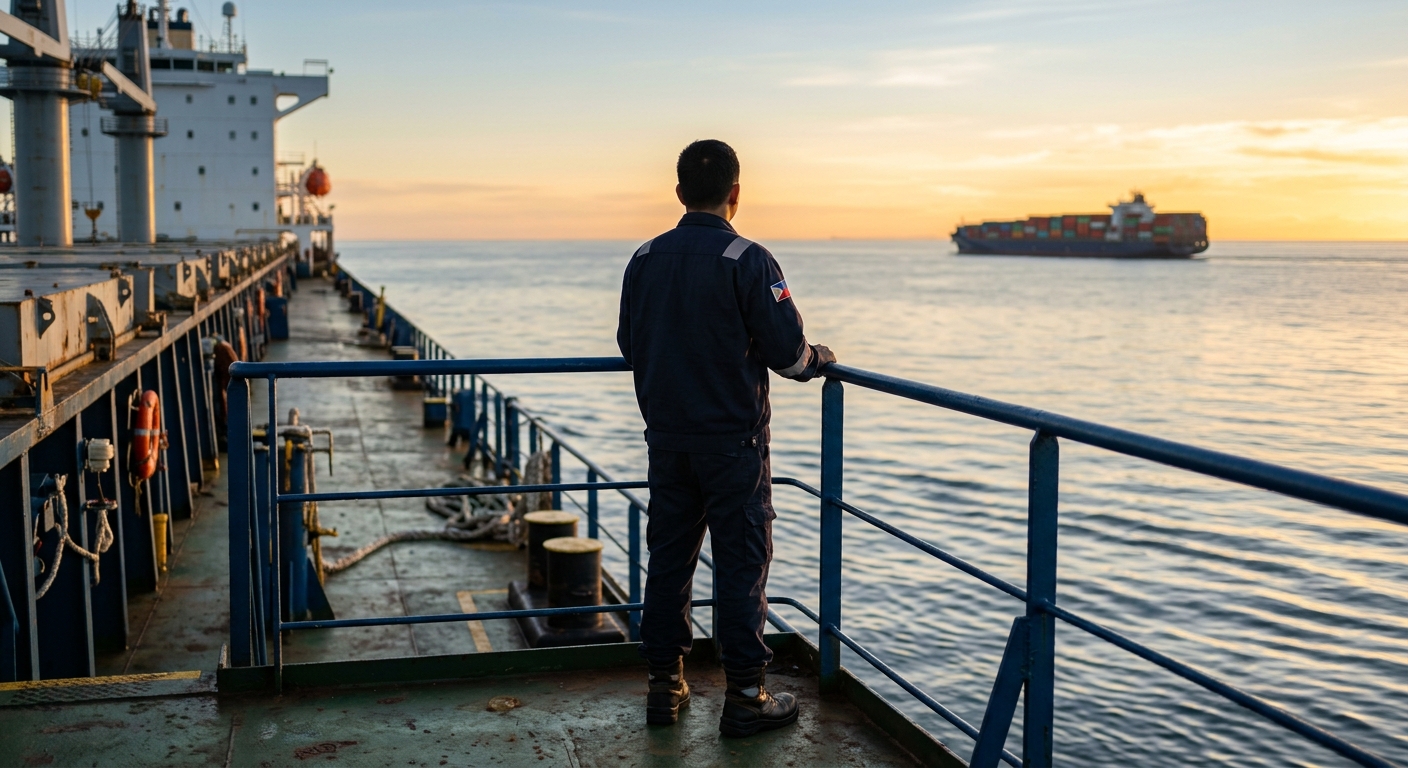
The theme reflects the mounting dangers that crews navigate in critical shipping lanes. Over the past year, passages through the Red Sea, Black Sea, and Strait of Hormuz have become increasingly perilous due to drone strikes, piracy, and regional tensions. Commercial vessels and their crews are caught in crossfire not of their making.
These threats compound the already grueling nature of maritime work. Extended contracts and prolonged isolation add layers of strain that go far beyond physical fatigue. The IMO emphasized that protecting seafarers is not merely a moral duty but an economic imperative, as supply chains depend entirely on their ability to operate safely.
Mental Health and Fair Treatment at Sea
Beyond physical security, the 2026 campaign focused heavily on the mental well‑being of crews. Isolation, limited internet access, and weeks away from loved ones create a heavy psychological burden. The industry is now pushing for standardized psychological support systems and reliable onboard connectivity to ease that load.
Fair treatment commitments also took center stage, particularly the need for swift repatriation when emergencies strike. The IMO called on flag states and shipping companies to ensure that no seafarer is abandoned in a war zone or disaster area. These measures aim to turn policy into practice, safeguarding the dignity of those who serve at sea.
Filipino Seafarers: The Sailing Ambassadors
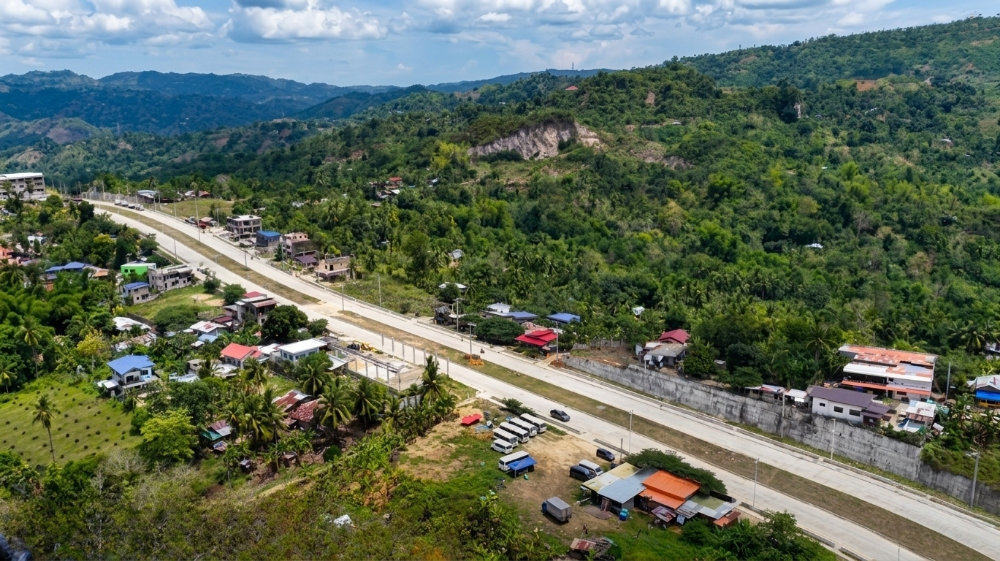
The day holds special significance for the Philippines, which remains one of the world’s top suppliers of maritime professionals. Filipino mariners are often called the nation’s sailing ambassadors, navigating vessels of every flag across every ocean. Their remittances sustain millions of families and inject billions into the national economy.
Yet the risks they face are deeply personal for countless Filipino communities. Every headline about a missile strike near a cargo ship or a crew stranded abroad resonates in households from Luzon to Mindanao. Industry leaders and government agencies used the occasion to reaffirm their commitment to long‑term security and career protection for these workers.
A Call for Collective Action
The global message was clear: honoring seafarers requires more than ceremonies and hashtags. It demands enhanced naval security cooperation, enforceable safety protocols, and unwavering respect for labor rights. The IMO and partner organizations called on governments, shipping companies, and consumers to share the responsibility.
As the sun set on June 25, the maritime community looked ahead with urgency. The risks are rising, but so is the recognition that the people who carry world trade deserve a world that carries their burdens in return. The 2026 observance was both a tribute and a promise to do better by the invisible heroes of the sea.